
Hospitals planning a liquid oxygen bulk installation often receive a supplier quote before the site is ready to support the equipment. The quote may include a leased tank but exclude foundation works, access changes, power for monitoring or the final connection to the building MGPS. Such gaps are expensive to discover after an award.
The first project deliverable should be a bulk-oxygen site and interface brief. The actual tank engineering, cryogenic safety design and medical-gas approvals must be completed by appropriately qualified parties under the applicable laws and contract.
Start with the estate plan and delivery route
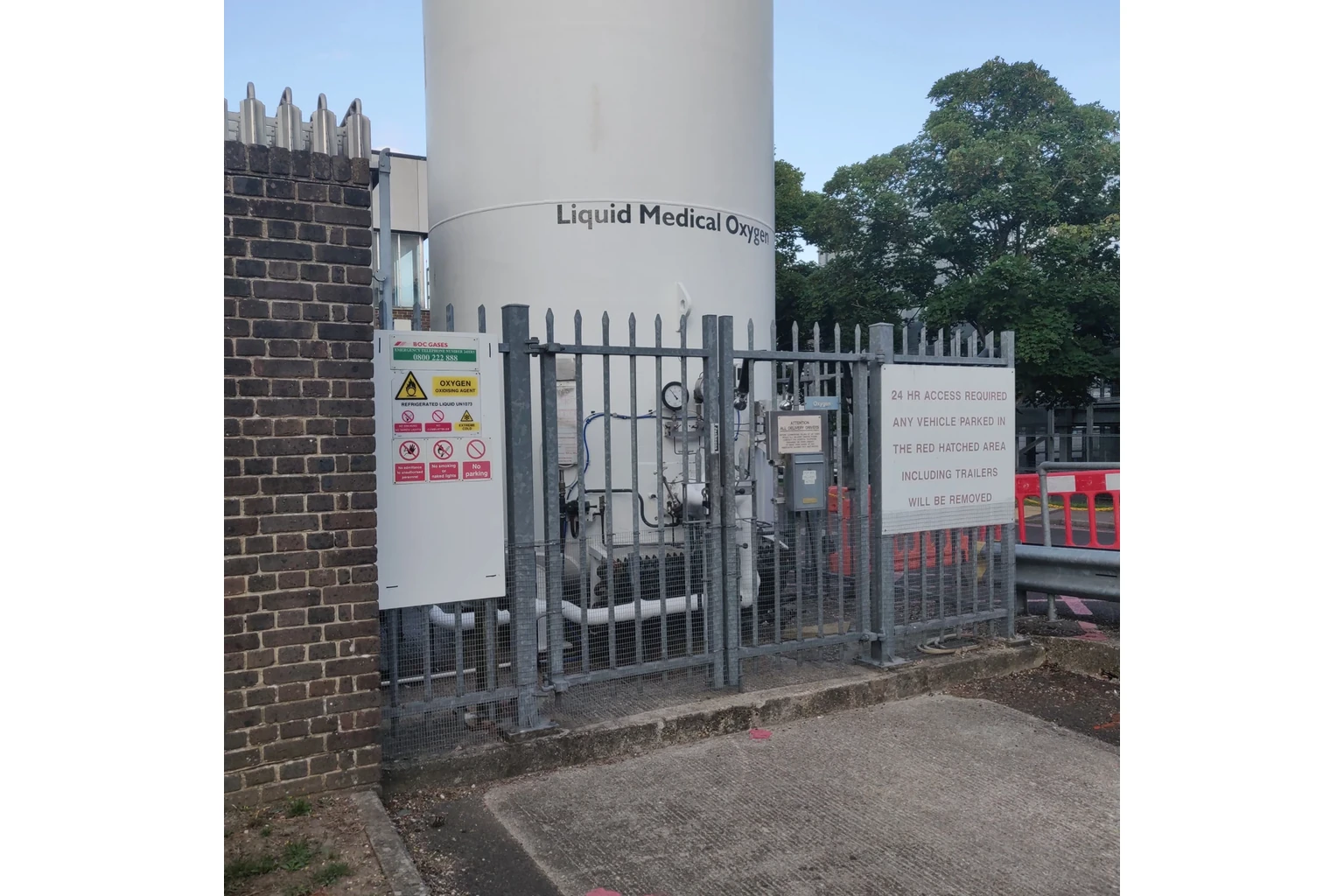
A site survey should show more than a rectangle labeled “oxygen tank.” Record the proposed plot, nearby buildings and openings, existing utilities, access control, delivery routes and constraints on turning and stopping of the delivery vehicle. Evaluate whether the supplier can reliably reach the site under ordinary and emergency conditions.
Ask for a drawing of the delivery access route and identify who is responsible for approving it. Include possible changes in traffic, parking, site security and construction phasing. A route that works during installation may become obstructed after the next building phase.
Do not substitute a generic separation distance found online for the applicable cryogenic installation and fire-safety requirements. The competent designer and local authority must establish actual distances, protection and permitted locations.
Clarify the tank-and-vaporizer scope
The plot plan and technical schedule should identify the intended supply components, which may include storage vessel, vaporization equipment, appropriate regulation, pressure and monitoring interfaces, relief and venting provisions and associated piping—subject to the selected system design.
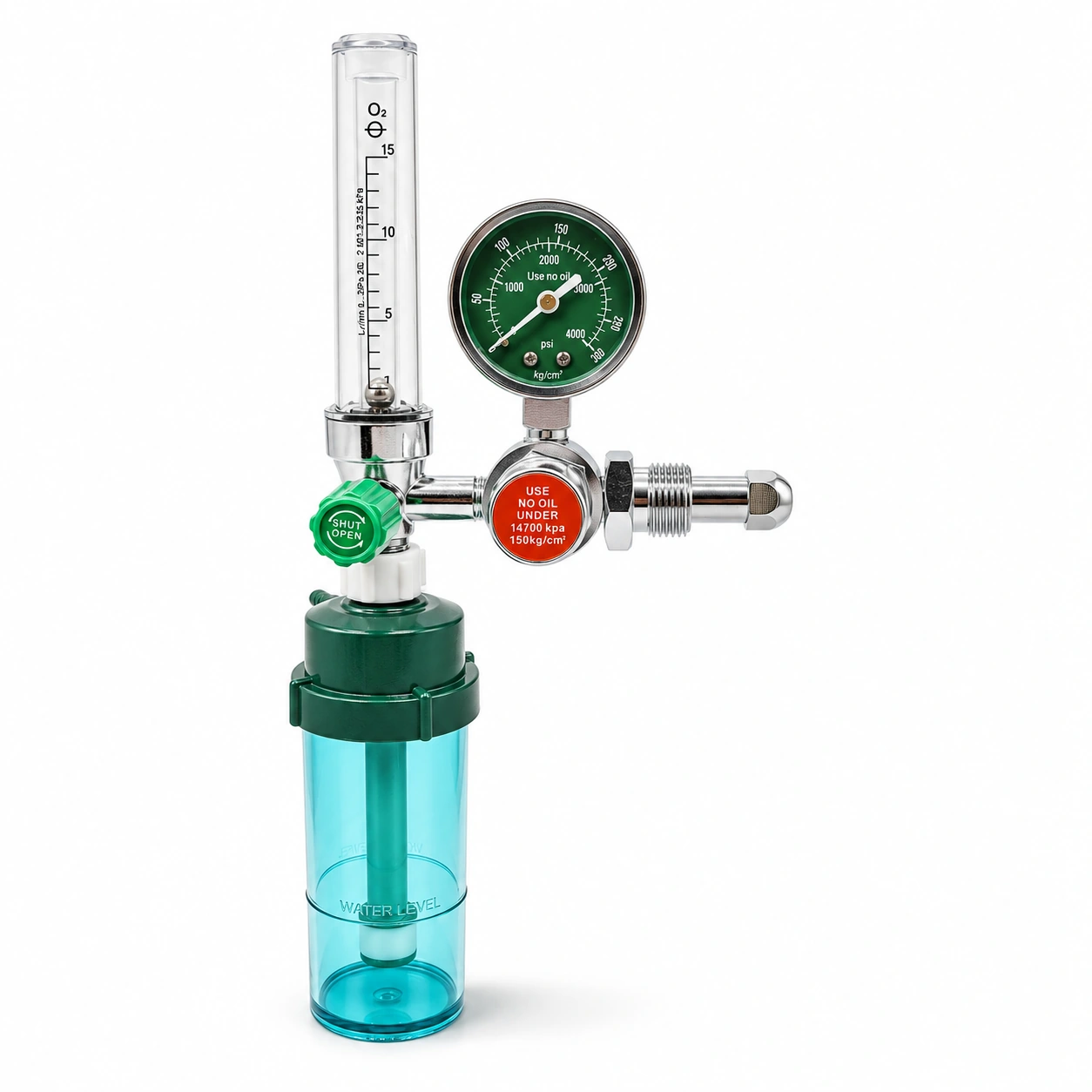
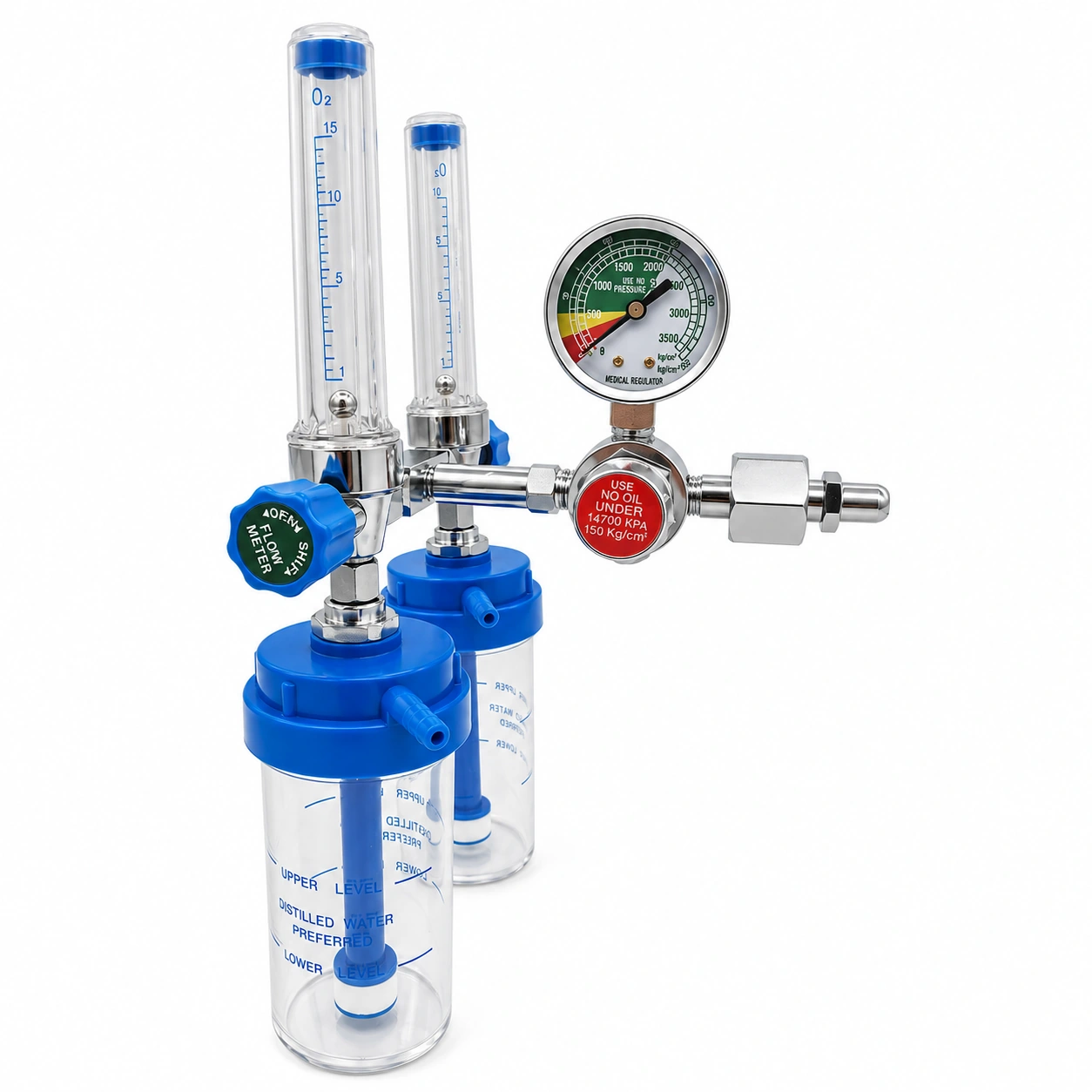
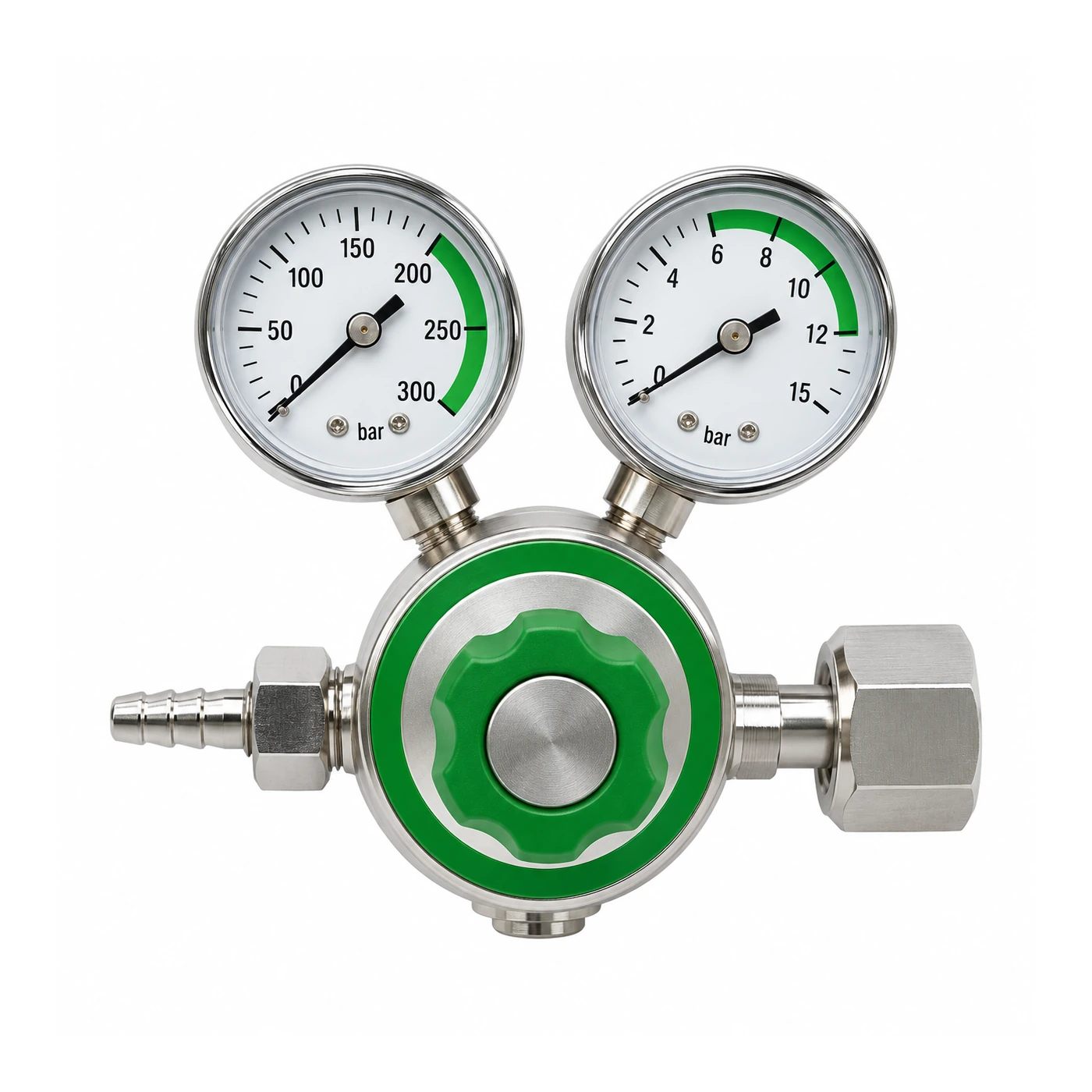
Do not infer that an item is included because it appears in a photograph on a supplier's website. Build an inclusion schedule with “provided by bulk supplier,” “provided by hospital/contractor” and “design to be confirmed” columns.
The project should document the interface between the LOX supply package and the MGPS distribution system, with a unique interface ID, approved drawing and owner for design, installation, testing and acceptance.
Consider consumption and delivery behavior
Forecast typical oxygen consumption and the reviewed high-demand scenarios. Ask the oxygen supplier for the proposed refill and replenishment basis, minimum logistical stock arrangements, telemetry or monitoring options, and limitations of the contract. A system designed around a favorable average consumption number may suffer from poor delivery resilience.
Record the agreed ownership or rental model: who owns the tank, who maintains the vaporizer, who inspects/maintains the equipment, who reports stock levels, and who is responsible if a scheduled refill is missed.
A separate medical-gas contingency plan must cover supply interruption; the existence of a bulk tank is not itself a resilience assessment.
Build a practical supplier questionnaire
Issue questions in groups:
Technical: What medical oxygen product is supplied, under which local authorization and specification? What source performance and supply interface data will be provided? Are pressure, monitoring, alarm and downstream connection requirements coordinated?
Site: What space, access, civil foundation, vehicle maneuvering and protection requirements must the hospital provide? Who supplies the site-design information?
Commercial: Does the quote include lease/rent, minimum purchases, transport charges, delivery frequency, emergency response and periodic maintenance? How are price and service obligations reviewed?
Documentation: What source diagrams, asset identifiers, operating/maintenance information, acceptance records and regulatory evidence will be handed over?
Keep answers in a bid-comparison table with document references rather than a collection of unstructured supplier emails.
Example of an interface boundary entry
A project entry might read: “IF-LOX-03 — connection of supplier-owned bulk storage/vaporization package to hospital oxygen distribution main.” Required attachments: plot plan, engineering schematic, named upstream/downstream responsibility, service/product specification, monitoring signal list and agreed acceptance records.
No pressure setting, connection dimension or valve operation should be guessed from this sample. Those belong to the approved project design.
Source-related procurement mistakes
Common errors include comparing a rented system to a purchased system without life-cycle adjustments; ignoring the delivery route; leaving pressure control responsibility unclear; treating telemetry as sufficient alarm/response coverage; and assuming a manufacturer quote includes the installed hospital pipeline.
The WHO medical oxygen system specification includes source, storage and distribution procurement considerations. The 2026 NHS HTM 02-01 provides a healthcare MGPS design and management framework; country-specific cryogenic and medicinal-gas rules remain essential.
Where BWC fits after the source is selected
BWC Medgas does not supply complete liquid oxygen storage plants. A hospital project may require pressure components, isolation valves, alarm-related equipment or other downstream component packages that match the approved interface design.
Discuss the approved downstream component list with BWC Medgas.
Short answers
Does a bulk-oxygen contract automatically cover MGPS testing?
No. Installation and verification responsibilities must be explicit in the scope and acceptance plan.
Is the amount of oxygen stored the same as the available delivery flow?
No. Storage inventory and system delivery performance are different technical questions.