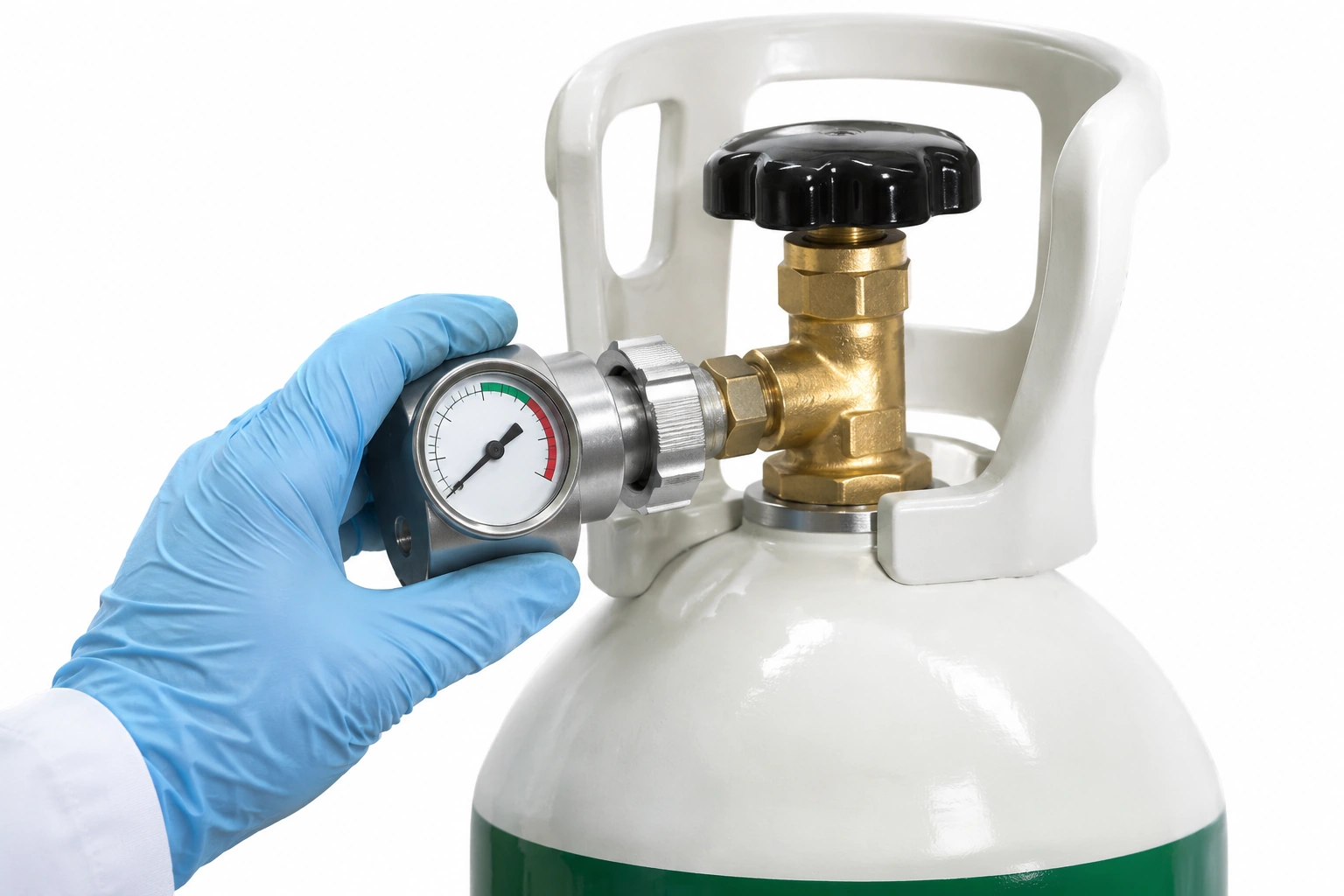
A hospital may have enough cylinders on a normal morning and still be exposed to a supply interruption because its refill return time, supplier dispatch and peak use are poorly recorded. Cylinder inventory management should therefore distinguish physical cylinder count, usable oxygen content, delivery lead time and operational reserve arrangements.
This guide helps procurement and estates teams create a planning worksheet. It is not a method for setting a mandatory hospital reserve or deciding how to change cylinder connections during patient care.
Define usable inventory consistently
Start with an inventory register that identifies cylinder size/type, gas service, supplier, current location, status and the hospital's accepted measure of usable inventory. A count of 40 cylinders is not comparable to another stock level unless the contents and conditions are comparable.
Track categories separately: full and released for use, part-used if the facility's procedures permit, empty awaiting collection, quarantined, overdue for required inspection or otherwise unavailable. Keep the emergency reserve assigned to the approved system separate from routine distribution stock when the site requires that distinction.
Cylinder connection family, valve type, ownership and handling rules belong in the register; do not assume two same-sized cylinders are interchangeable.
Measure actual demand and supplier performance
Gather recent delivery and consumption records across ordinary and high-demand periods. Identify whether usage changes during weekends, winter pressure, clinical surges or temporary service changes. Record actual time between placing a replenishment request and receiving usable stock, not just the nominal time promised in a sales brochure.
Ask the supplier what happens outside office hours, during holidays or when transport access is disrupted. Keep evidence of the agreed emergency arrangement and the point of contact responsible for escalation.
An illustrative reorder calculation
A transparent inventory worksheet can use the simple planning relationship:
Reorder trigger = forecast demand during the replenishment lead time + a separately approved buffer.
For an entirely hypothetical non-clinical example, assume a facility's planning unit is the equivalent of eight identical full cylinders per day, lead time is three days, and an approved procurement buffer is ten cylinders. The arithmetic trigger would be 8 × 3 + 10 = 34 full-cylinder equivalents.
These inputs are examples to illustrate a spreadsheet, not hospital stock rules or safe reserve quantities. They do not establish usable gas volume, emergency capacity, source resilience or clinical suitability. The actual policy must be approved using the facility's demand assumptions, system requirements and local rules.
A more advanced workbook should support variable lead times, forecast ranges and a separate alert when supplier confirmation is missing.
Recommended worksheet columns
- Cylinder specification and gas service.
- Full-equivalent or other approved usable-inventory measure.
- Current usable stock, reserved/allocated stock and quarantined stock.
- Recent usage and documented forecast scenario.
- Supplier's confirmed replenishment lead time and contract commitments.
- Approved reorder and escalation thresholds.
- Pending delivery quantity and expected date.
- Date/time of last verified count; counting authority.
- Variance between physical count, procurement orders and supplier records.
- Actions, owner, clinical notification requirement and closure evidence.
Avoid overwriting the history when a threshold changes. Record who authorized the revision and why.
Integrate inventory with the system source plan
Cylinder stock calculations are not the same as engineering requirements for primary, secondary or reserve supply. The latter are governed by the approved MGPS design, applicable requirements and operator policy. The hospital must keep the engineering and stock-control documents consistent without substituting one for the other.
Check whether cylinders are serving the entire building, selected areas, a reserve bank or unrelated bedside use. Each arrangement has different interfaces and operational responsibilities.
Deal with supplier uncertainty before it becomes an outage
An escalation procedure can define when the procurement team contacts the supplier, verifies shipment status, reports a credible shortfall to the healthcare operator and initiates the facility's approved contingency planning. It must not instruct untrained staff to manipulate manifold valves or move cylinders into service.
A useful performance measure is on-time usable deliveries, not only the number of invoices issued.
Procurement errors to look for
Orders may specify the right gas but the wrong valve connection, omit collection of empties, fail to confirm licensed medical-gas supply or count empty cylinders as available. Supplier contracts sometimes price gas but not equipment rental and transport. Document every difference before comparison.
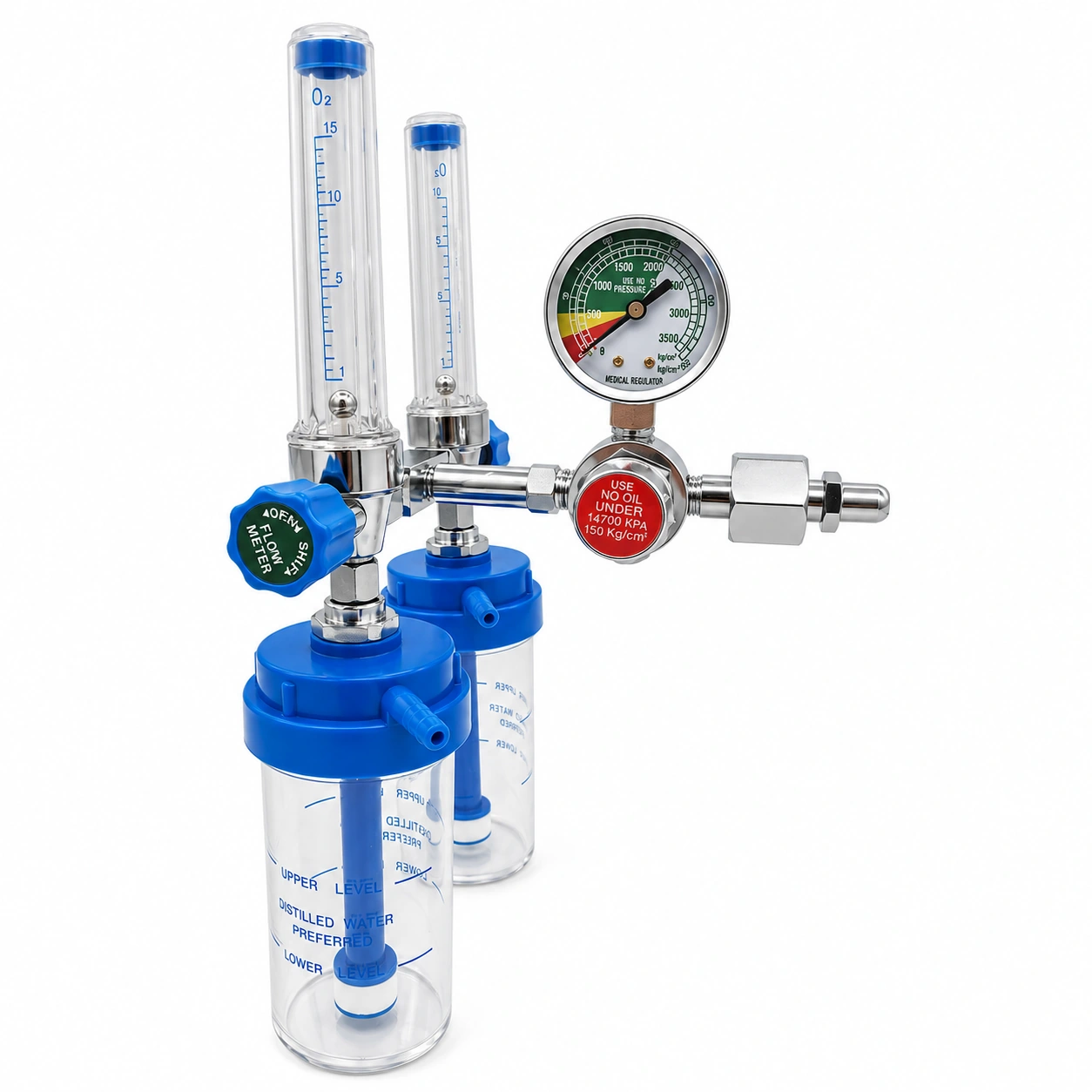
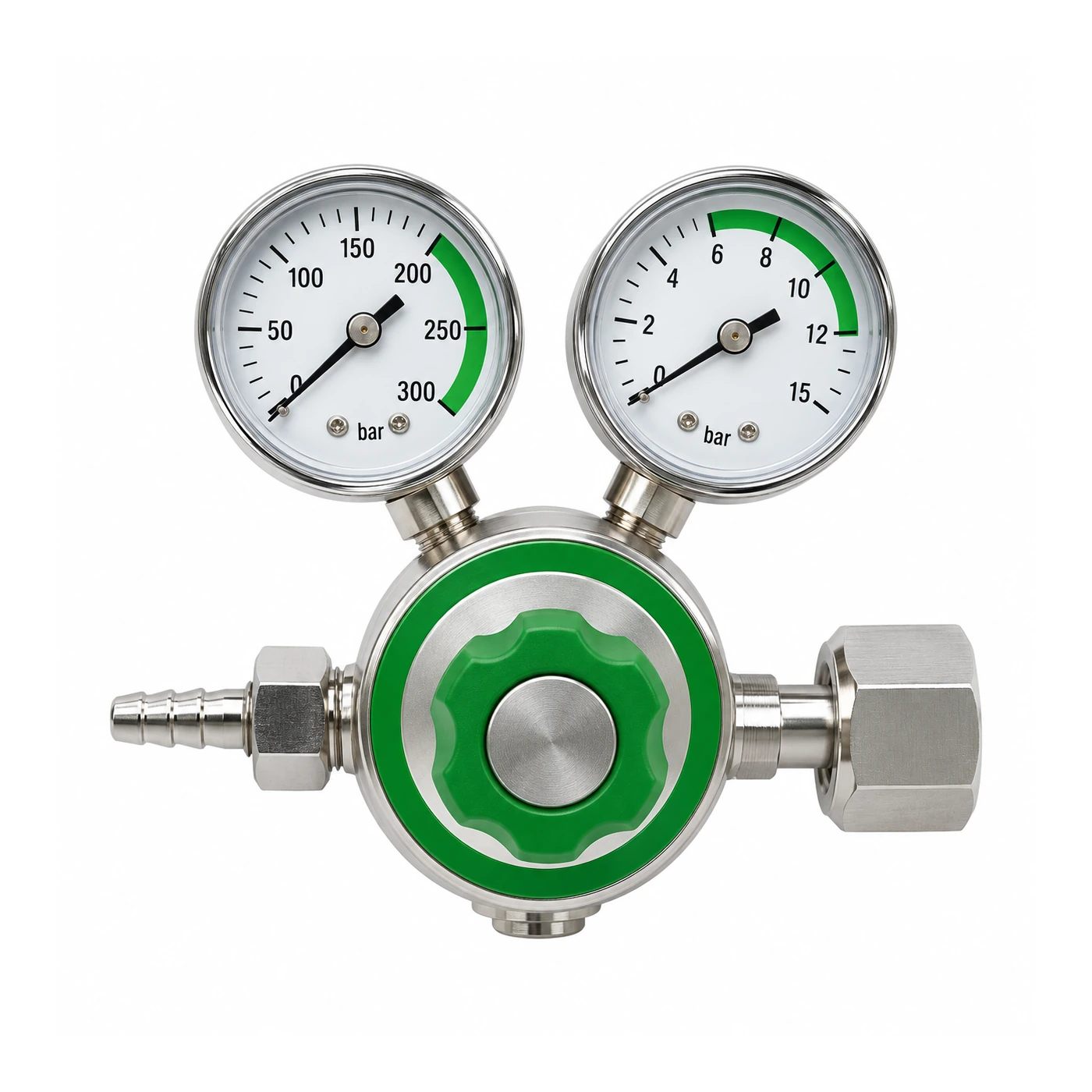
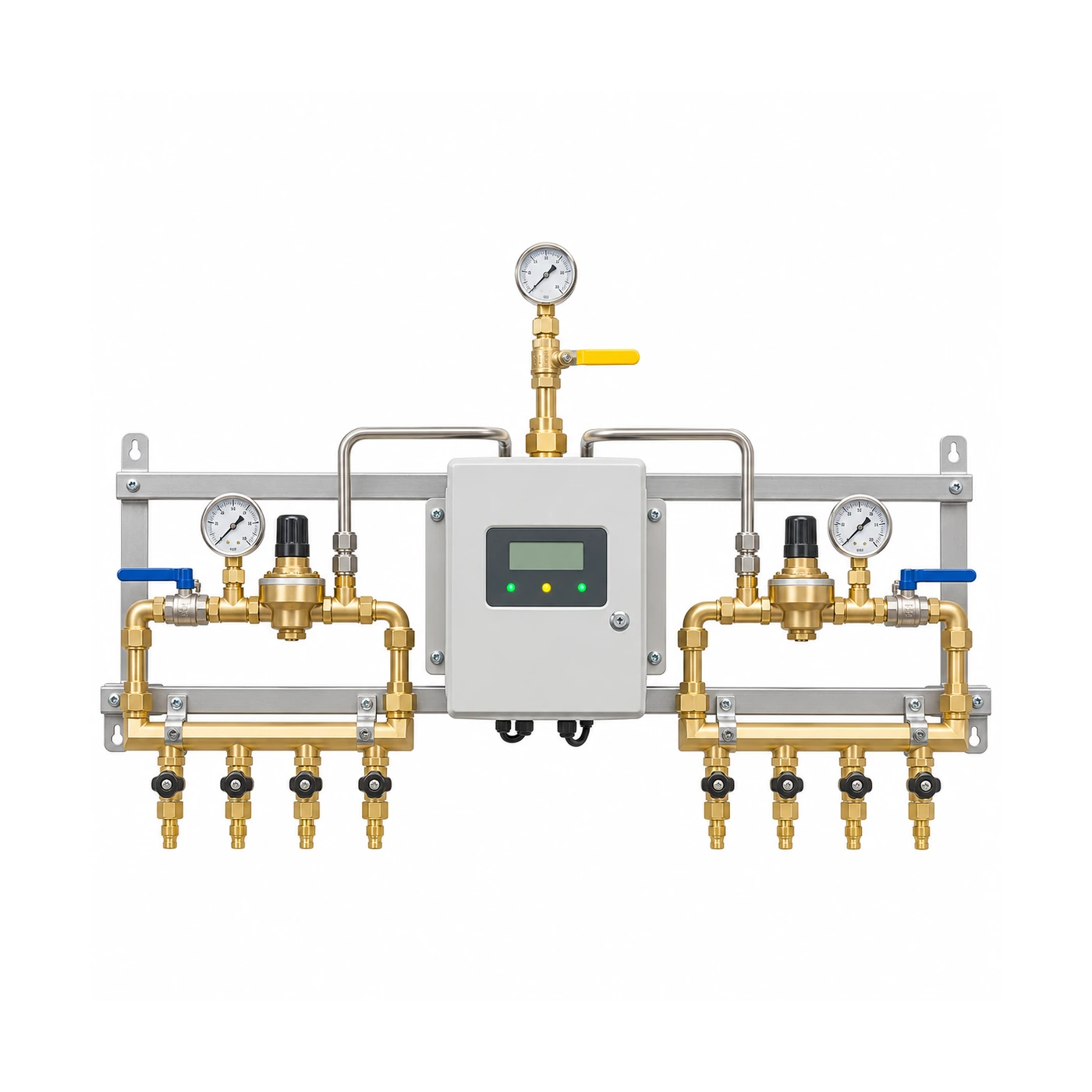
For related BWC equipment, the approved source connection schedule may include medical cylinder manifold hardware, regulators and gas-specific valves. BWC does not act as the hospital's medicinal-gas manufacturer or stock-control authority.
Discuss component compatibility with BWC Medgas.
FAQ
Can reorder inventory replace a secondary or reserve system source?
No. Inventory planning supports procurement; system source resilience is separately specified and verified.
Should the same number of cylinders be held at every hospital?
No. Demand, cylinder capacity, source configuration, replenishment performance and required reserve/contingency arrangements differ.