Choosing a hospital oxygen source is not a contest between three supplier prices. Bulk liquid oxygen, on-site oxygen 93 production and delivered compressed cylinders have different dependencies, operating costs, service risks and contractual boundaries. A quotation that excludes delivery, electricity, specialist maintenance or reserve arrangements cannot be fairly compared with one that includes them.
A better starting point is a source-selection decision matrix, signed off against the hospital's clinical demand, site constraints and continuity plan. This guide is for project scoping and procurement; the appointed engineering and healthcare authorities retain responsibility for final source design, gas quality and approval.
Define demand and clinical operating cases first
Use a reviewed oxygen-demand worksheet, not beds multiplied by a generic flow rate. Record clinical departments, occupancy/operating scenarios, expected growth, an approved demand range, high-dependency areas and any equipment that needs a special supply arrangement. Identify both expected ordinary consumption and the required performance under the approved demanding scenario.
Keep volume used over time separate from instantaneous flow duty. A monthly consumption history helps a supplier assess replenishment economics; it does not establish the required peak flow or distribution pressure. Have the project engineer reconcile the two.
The UNICEF Oxygen System Planning Tool is a useful example of scenario-based planning: it supports health-facility data, source alternatives and capital/operating cost comparisons. It is a planning tool, not a substitute for an approved hospital MGPS design.
Compare technologies by actual dependency
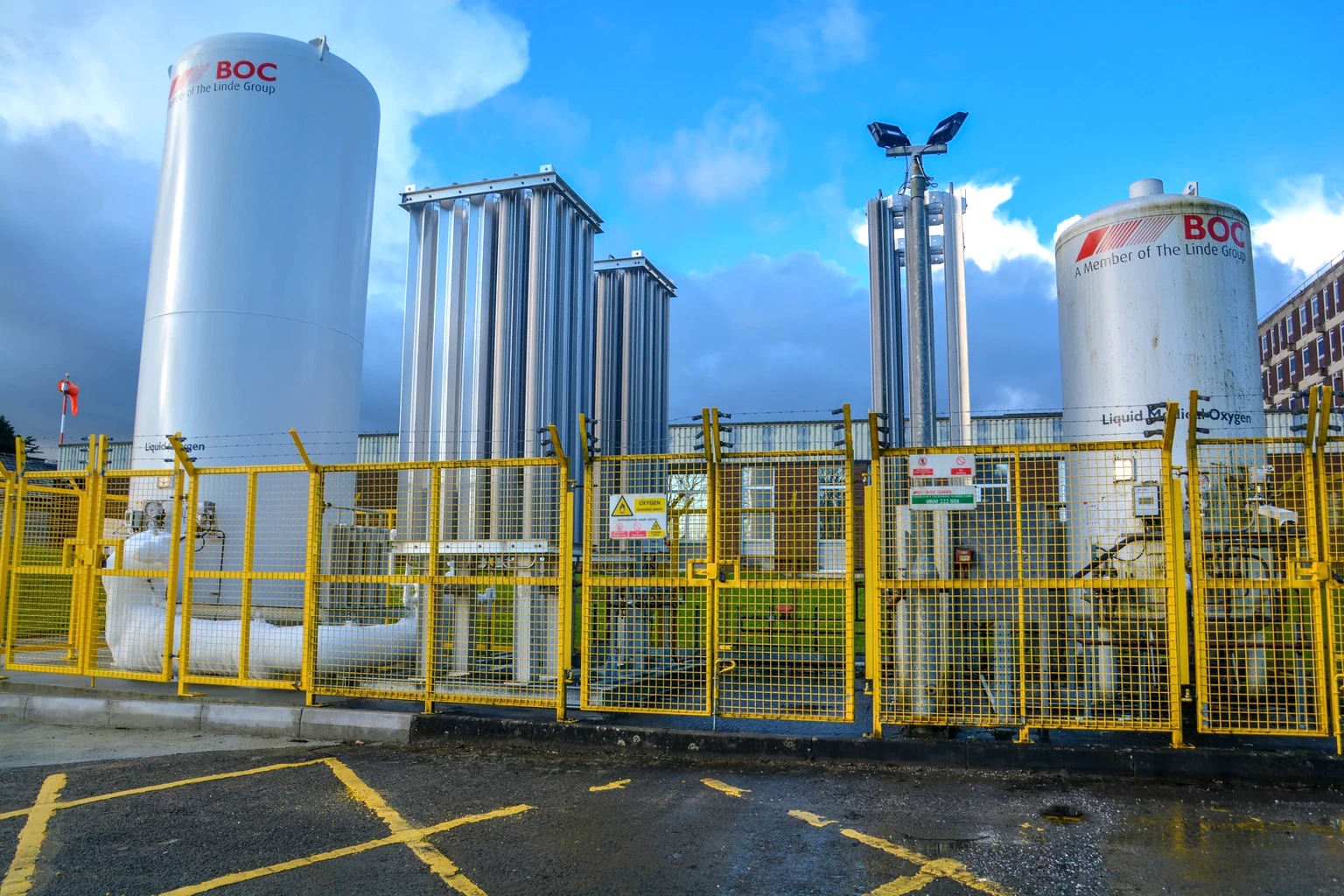
Bulk liquid oxygen (LOX): Important inputs are access for deliveries, on-site tank/vaporization arrangements, storage and replenishment contracts, supplier availability, safe site location and the responsible party for the equipment. Delivery intervals, contract terms and reserve arrangements can dominate the practical outcome.
On-site PSA or related oxygen generation: Evaluate the specified medical oxygen 93 product, proven operating duty, incoming air quality, electricity and standby power, servicing skills, monitoring, quality assurance and how another supply can cover maintenance or a failure. A concentrator or plant brochure is not evidence that the complete hospital source system is acceptable.
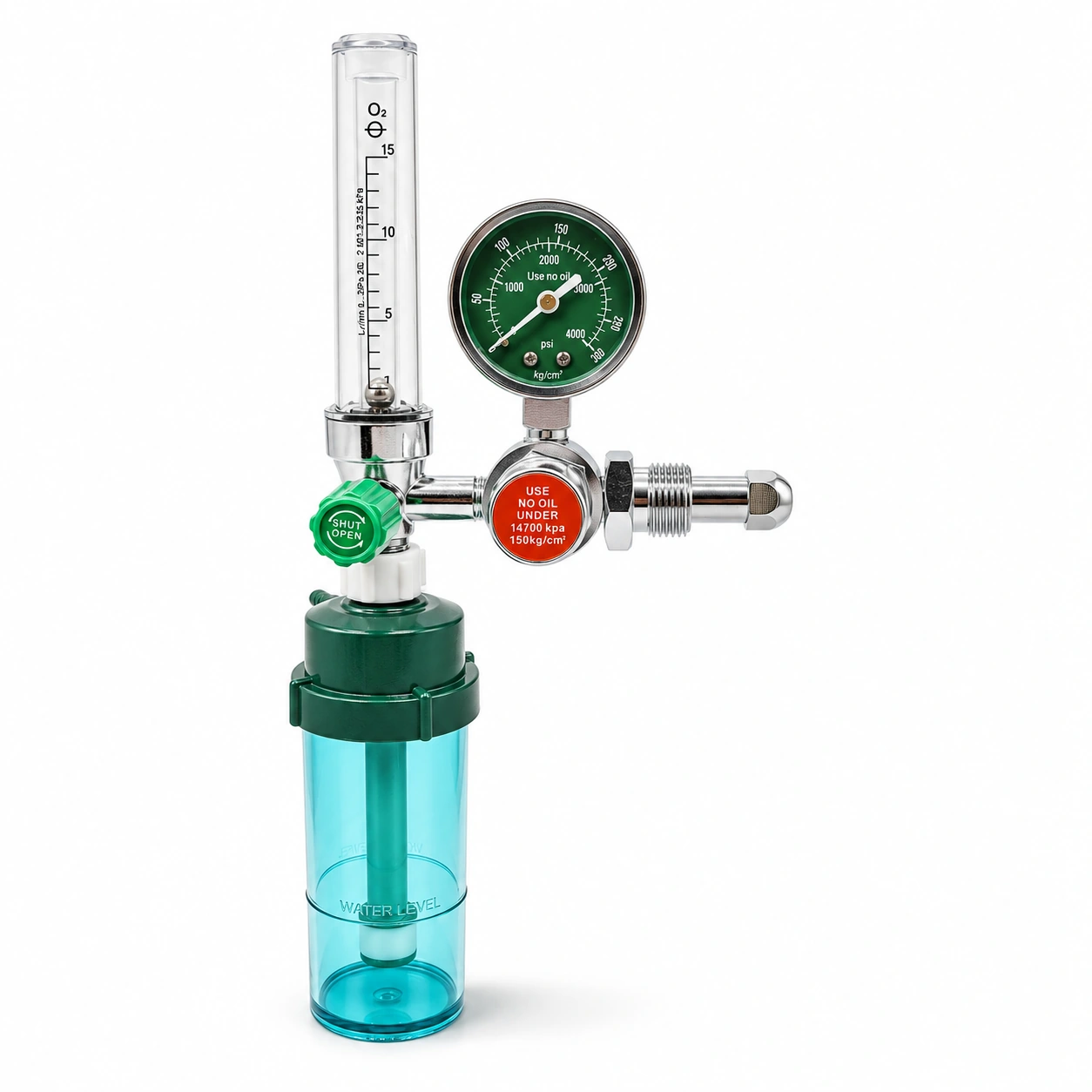
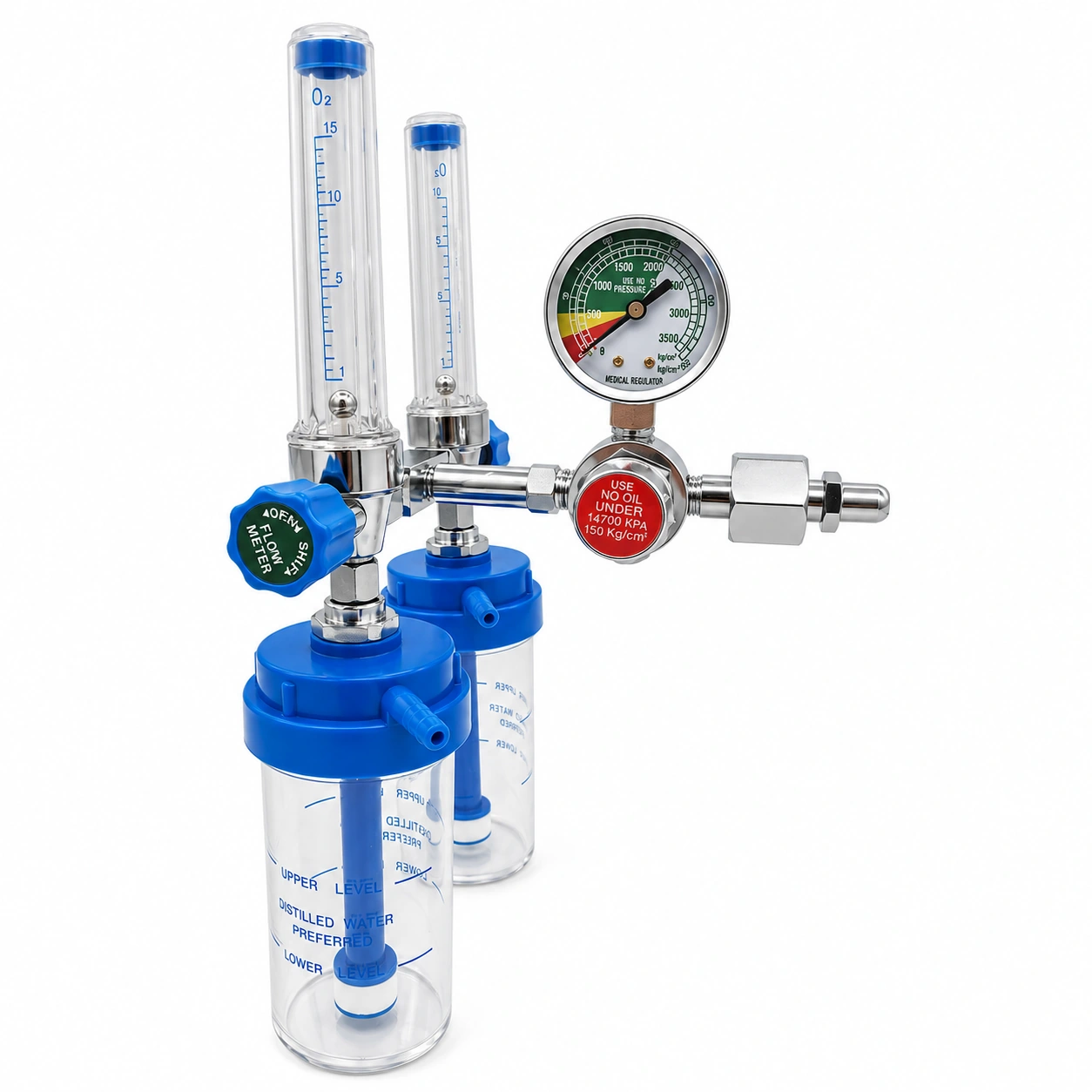
Cylinder supply: Evaluate cylinder stock, storage, delivery/refill turnaround, handling, the exact valve/connection system, logistics at peak demand and the approved manifold/changeover arrangements. Cylinders may be valuable as part of a mixed arrangement without being economical or logistically suitable as the sole large-hospital source.
A mixed solution may be appropriate. The owner should not assume mixing source types or oxygen qualities is automatically permitted; that question depends on the engineered system, local medicinal-gas rules and applicable standards.
Build a scored matrix with traceable evidence
Use one row per criterion, rather than one row per supplier:
- Clinical demand and source performance: approved duty, known constraints, evidence.
- Gas quality and regulatory responsibilities: product type, quality specification, manufacturing or medicinal-gas obligations.
- Availability: observed supplier uptime, site electrical reliability, delivery routes and credible disruptions.
- Continuity: defined alternatives, source architecture, changeover supervision and response.
- Site readiness: space, access, utilities, security, safety and maintainability.
- Life-cycle cost: capital, installation, lease, delivered gas, energy, staff, service and major replacements.
- Procurement boundary: what each quotation includes, excludes and transfers to another contractor.
- Documentation: P&IDs, source interfaces, monitoring schedule, acceptance evidence and service support.
A score must include its evidence and the decision-maker. For example, marking “backup: 5/5” because a catalogue shows two compressors is not an adequate continuity assessment.
Compare like-for-like costs
Use a common review period and currency, and separate one-time capital from recurring obligations. Include contracted gas deliveries or rental, energy, maintenance/service, calibration/quality monitoring, storage logistics, operator competence and planned replacement. Treat assumed prices and utilization rates as inputs that can change.
Illustrative calculation only: if one option requires USD 180,000 initial infrastructure and an assumed USD 55,000 yearly operating cost, its five-year undiscounted nominal total is USD 455,000. If another requires USD 60,000 initial investment and USD 82,000 per year, its equivalent is USD 470,000. Those figures show spreadsheet arithmetic, not verified market pricing, nor a reason to select the first system. A proper business case also considers cash flows, downtime risks and regulatory suitability.
Red flags during evaluation
A comparison is not ready for award if the supplier has not identified who maintains the oxygen source, if the delivered product type is unclear, if reserve arrangements are absent from the system design, or if the quotation omits utility capacity and replenishment constraints. A claimed oxygen percentage alone is not a hospital supply-system acceptance.
WHO's technical specifications for health-facility oxygen systems cover sources, storage and distribution product considerations, while ISO 7396-1:2016 addresses MGPS design and related system functions. Local authorities and contracts determine how they apply.
A procurement-ready output
The resulting decision record should include: approved demand cases; a three-option or mixed-source comparison; site constraints; cost model assumptions; quality/regulatory responsibility; source and reserve architecture; risks; and a named approver.
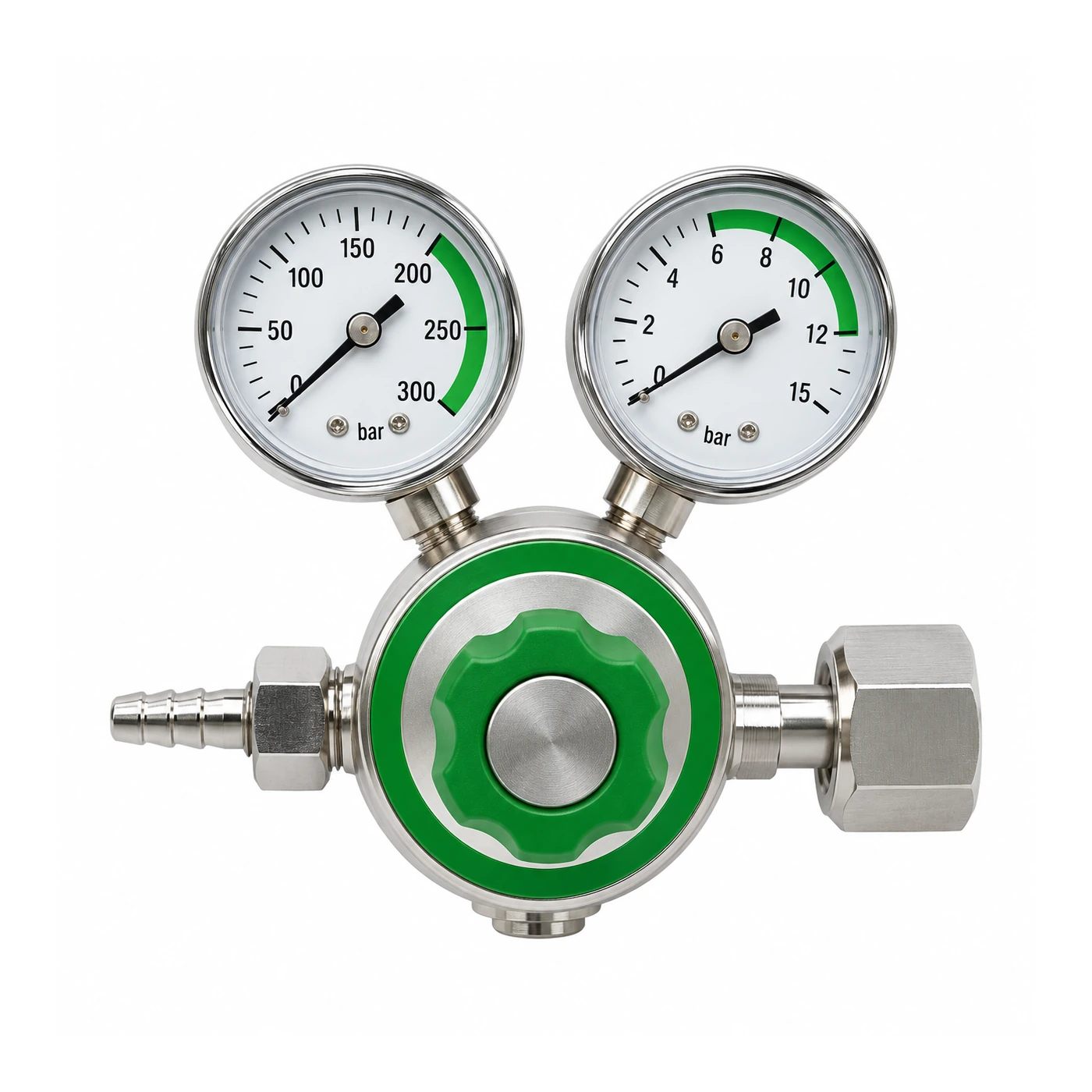
BWC Medgas supplies selected MGPS components, not complete oxygen generation plants or bulk liquid-oxygen systems. After the source design is approved, BWC can discuss manifold hardware, pressure regulation accessories, gas valves and related interfaces. Send an approved component schedule to BWC Medgas.
Questions asked in project reviews
Does the lowest oxygen unit cost determine the best source?
No. Source availability, quality obligations, site reliability, operational capability and total life-cycle cost must be considered.
Can a bedside oxygen concentrator replace a pipeline PSA system?
Not by assumption. Individual concentrators and MGPS oxygen-concentrator supply systems have different intended scopes and applicable requirements.