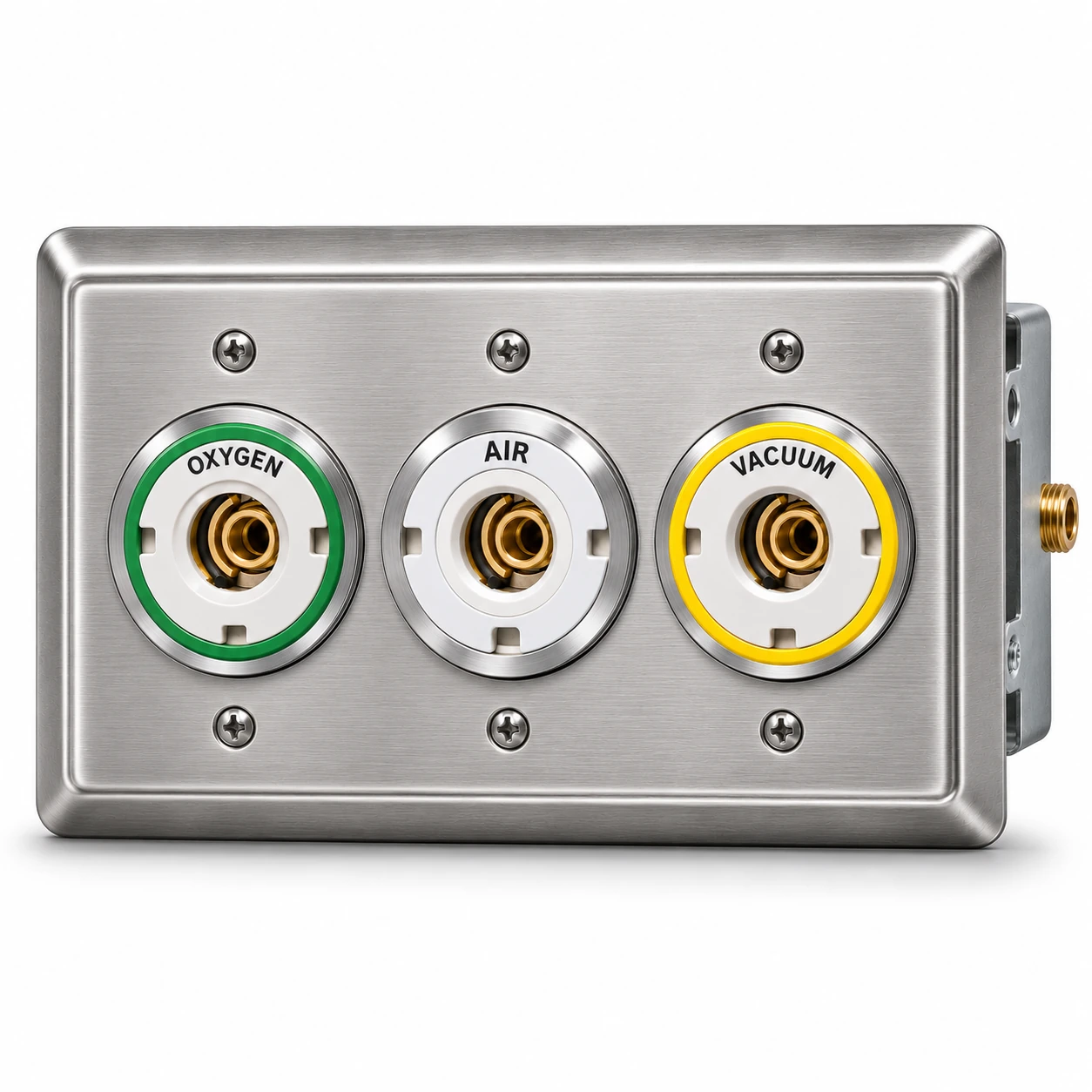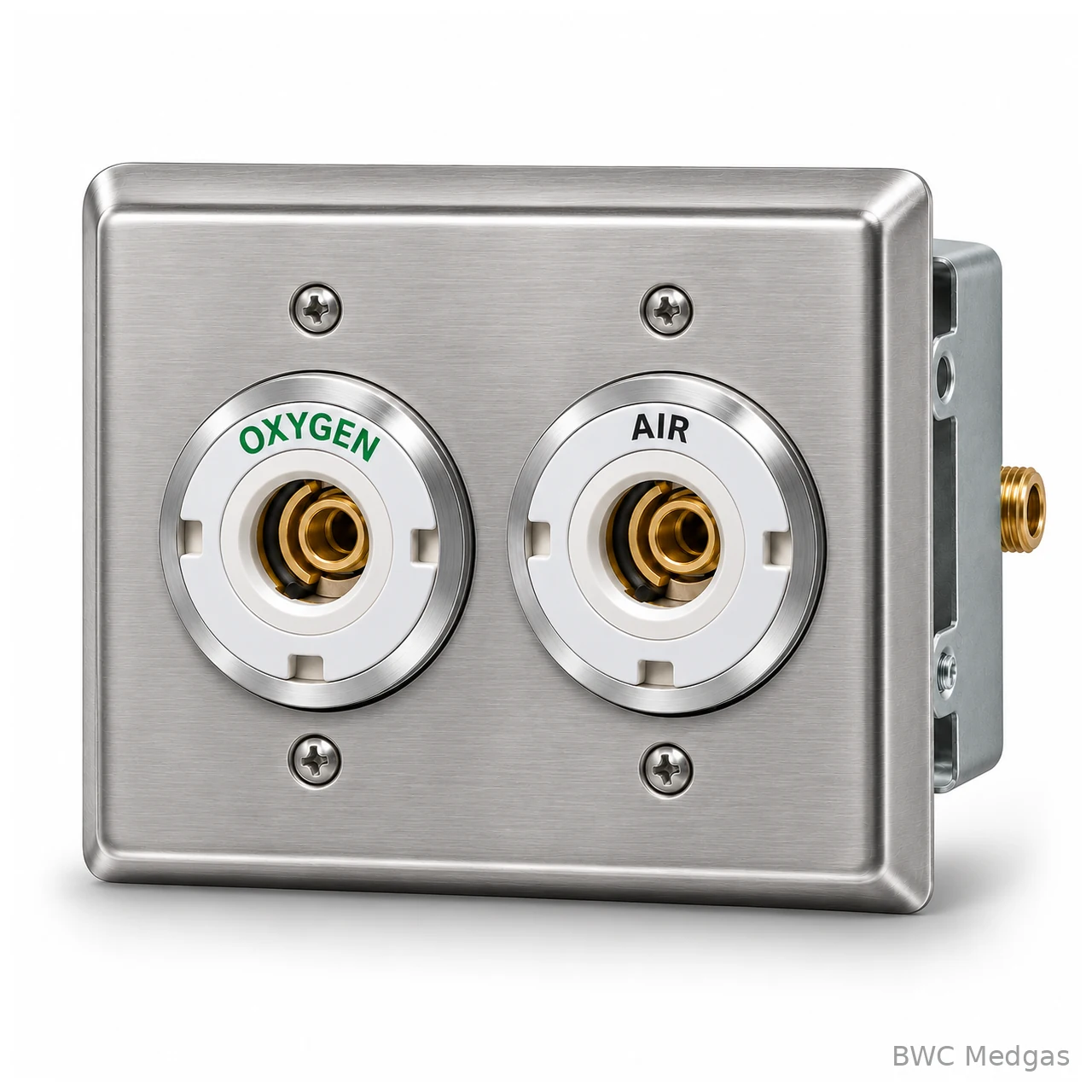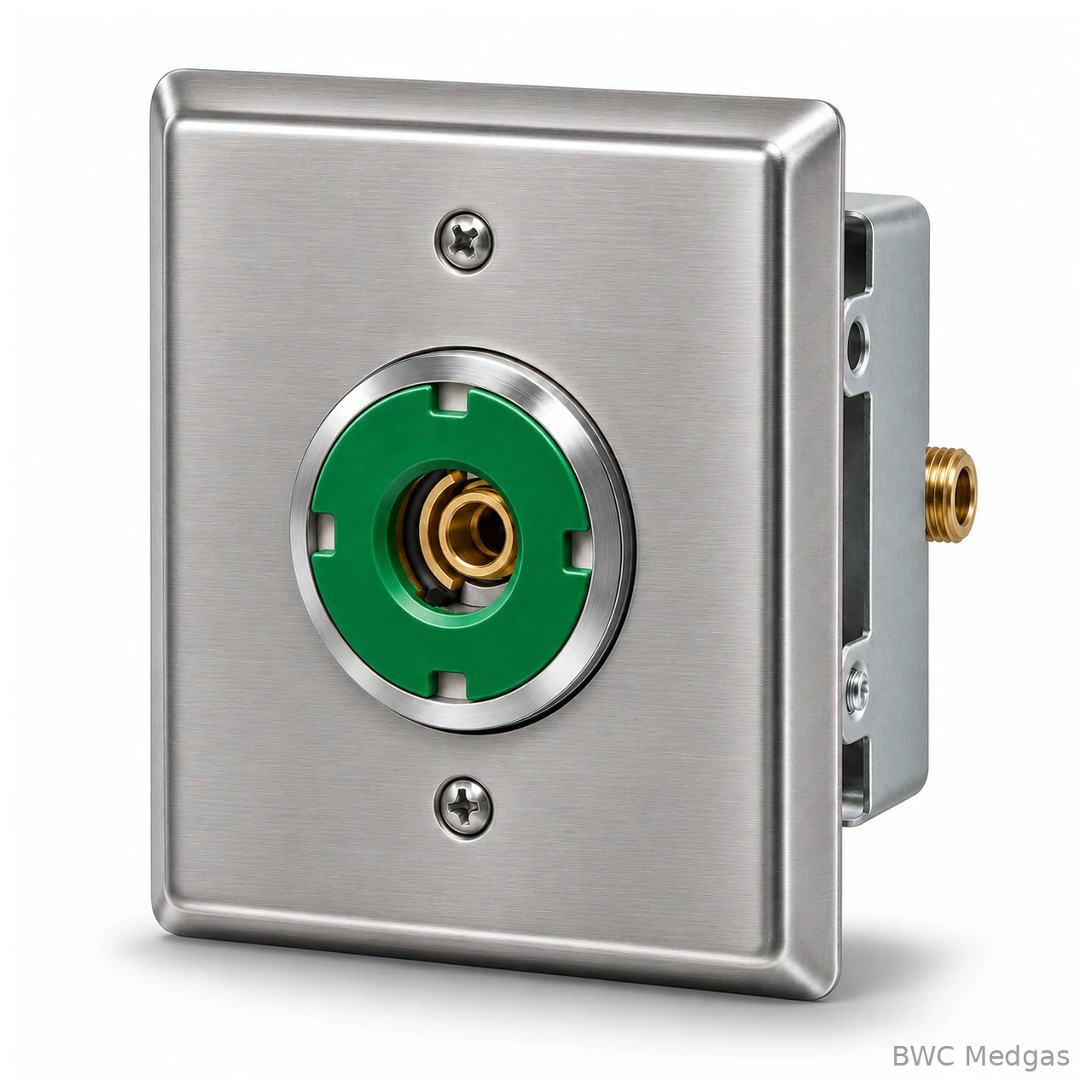
When an MGPS equipment schedule contains medical air and air for driving surgical tools, it is important not to merge them into a single line called “air outlets.”
The names refer to services identified separately in international medical gas standards. They may involve different supply requirements and equipment interfaces, and their relevant technical specifications must be established by the responsible hospital design team.
How does ISO 7396-1 distinguish these services?
The published scope of ISO 7396-1:2016 includes medical air among the medical pipeline services covered by the standard. It also separately names air for driving surgical tools and nitrogen for driving surgical tools.
That distinction is not simply a difference in wording. The standard addresses complete systems, including supply sources, pipeline distribution, non-interchangeability, monitoring and alarms for the services in its scope.
Importantly, an article on these differences should not invent universal pressure settings or flow rates. The published overview establishes the services; the specific approved design and full applicable requirements establish the technical operating values.
What does ISO 9170-1 say about terminal outlets?
ISO 9170-1:2017 separates gas services by intended use. Its public scope lists medical air among gases for administration to patients or medical use and separately lists air and nitrogen for driving surgical tools.
The standard's purpose includes ensuring gas-specific assembly and preventing interchange between different gas and vacuum services. The terminal product for a project must therefore be selected for its exact service and connection specification.
The ISO abstract also states that specific dimensions of all mating probes are not defined by ISO 9170-1 itself. Regional and national connection specifications may supply the dimensions.
Why can a general 'medical air terminal' request be misleading?
A supplier may quote a wall-mounted medical air terminal on the assumption that it connects to a general medical air service. The end customer may actually require equipment for surgical tool air, or a replacement terminal matched to an existing installation.
Even when the front plates look similar, the gas-service designation, mating probe and engineering interfaces need verification. A purchase order should distinguish the two services rather than allowing a substitution based on the shared word air.
The result of a mix-up may be an incompatible product or a delayed hospital installation. The procurement solution is a service-specific equipment schedule, not a generic country-coded list.
Does this also affect valves and alarms?
The service name matters throughout the defined pipeline system, not only at the outlet.
A zone valve box schedule should identify which named services it isolates, together with the requested valve arrangement and connection sizes. An alarm panel schedule should identify the service names and monitoring interfaces required by the approved project design.
The NHS Scotland SHTM 02-01 guidance expressly covers piped medical gases, medical and surgical air and medical vacuum installations. This reinforces why service descriptions must be preserved in relevant hospital records.
A project enquiry that avoids ambiguity
For each air service, include:
- The precise service name used in the approved design.
- The number of required terminal units by location.
- The connector family, mating probe and mounting drawing.
- Any associated zone valves, pressure accessories or alarm interfaces.
- The required product technical documents and named applicable standards.
- Whether the request is for new installation or replacement into an existing system.
Do not instruct a site technician to adapt one gas-service connector into another. Any physical modification or installed-system verification belongs to the authorised project professionals.
BWC Medgas product support
BWC supplies medical gas terminal outlets, zone valve boxes, line valves and alarm products.
For accurate selection, send the service schedule and exact connector/mounting drawings. BWC can discuss which component configurations are relevant to the contractor's procurement requirements.
Submit a medical and surgical air equipment list to BWC Medgas.
Common questions
Is air for driving surgical tools just another name for patient medical air?
No. The two services are named separately in the published ISO medical gas pipeline and terminal scopes.
Can the same gas terminal be used for both?
Never assume interchangeability. The approved gas-specific connection and design requirements determine which terminal belongs to the particular service.