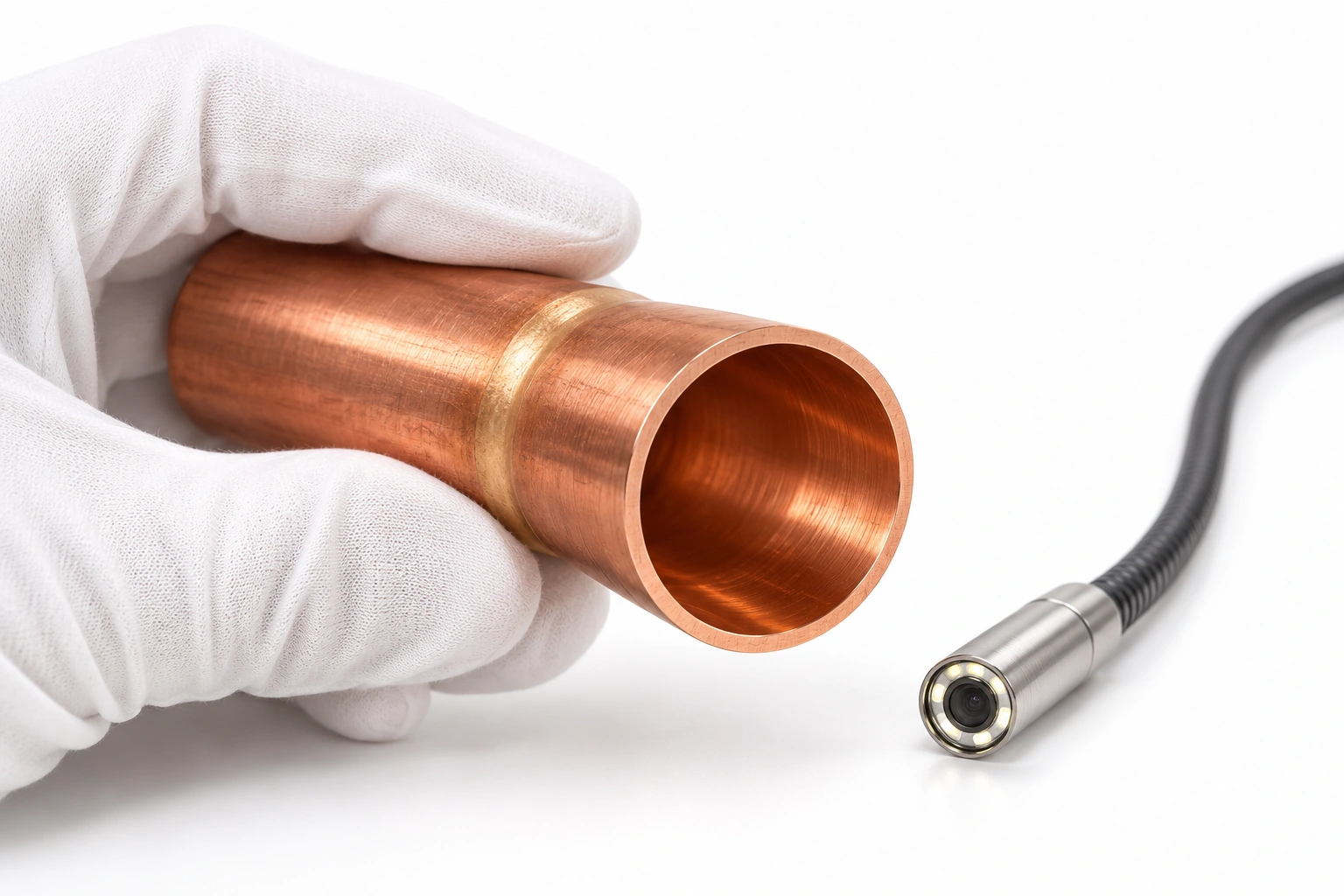
When a brazed copper joint is visible from outside, the reviewer may see a smooth finished connection. The same joint can have internal oxidation or contamination that cannot be judged from the external appearance. Medical-gas projects therefore need a process assurance plan, not merely a photograph of completed joints.
This article describes the documents and witness decisions that should control internal purge and oxidation risks. It intentionally does not prescribe nitrogen flow rates, torch settings, pressure values, valve operations or a procedure to perform hot work on an active medical gas system.
Identify what the governing design requires
Start with the approved contract specification, joining procedure and local MGPS code. ISO 7396-1:2016 addresses the design and commissioning context for installed medical-gas systems, while the 2026 NHS HTM 02-01 governs specified UK healthcare project practices.
The engineer must identify which joining procedures and purity/cleanliness safeguards are required, what evidence is acceptable, and whether any inspected mock-up or qualification record is required.
Do not substitute generalized statements such as “purge every joint for 20 seconds” for a qualified procedure. Flow conditions depend on the approved joining methodology, and an unjustified number can mislead.
Distinguish procedure evidence from each work record
A procedure document describes the approved process; a field record shows whether that process was applied to a specific scope. Both need clear revision control.
Suggested fields in a field quality log:
- Work-area ID and relevant medical-gas service.
- Joint range/identification and reference drawing revision.
- Approved joining procedure ID and current issue.
- Competent brazer identity and relevant qualification reference.
- Purge/control method reference, as defined by the approved procedure.
- Inspection or witness stage and authorized reviewer.
- Any nonconformity, corrective work and disposition evidence.
- Linked required installation and site acceptance record.
The log should be detailed enough to connect a questioned joint to a controllable work package, but it need not expose proprietary process parameters publicly.
Make a stage-by-stage inspection plan
| Stage | Quality evidence | Responsibility |
|---|---|---|
| Before joining | Materials, clean handling and approved procedure are confirmed | Contractor QA and designated supervisor |
| At the hold point | Required setup/witness evidence is recorded | Appointed competent inspection party |
| After joining | Required appearance/quality checks under the approved plan | Contractor and inspection authority |
| Before concealment | Outstanding defects cleared and mandated evidence assembled | Project verifier/designated reviewer |
| At system verification | Gas identity, integrity and other specified checks linked to the segment | Qualified site verification parties |
These headings do not specify how to perform the high-pressure or hot-work operations. The actual permitted sequence comes from the facility's authorized method statements.
Plan for defects in an evidence-based manner
If an inspection raises concern about oxidation or cleanliness, record the affected joint range and the observation. The responsible engineering/QA team determines whether additional inspection, rework or other disposition is required. Maintain a link to the original procedure and personnel records.
Do not approve an affected section just because an external wipe removed visible residue. Nor should a buyer assume that any dark-colored photograph proves nonconformity without the specified criteria and context.
A genuine defect may affect more than one visibly questioned joint if the same process control was missing across a work area. Scope the investigation using objective records.
How to use a representative mock-up
A project might require a qualified representative sample or a procedure qualification coupon, subject to local rules. The reason is to validate the chosen process against the applicable acceptance criteria without waiting for all installed joints to be concealed.
The contractor should identify the sample's materials, procedure, operator and inspection outcome. A demonstration performed on a different alloy, size family or method may not cover the actual project.
ISO 13585:2021 concerns personnel qualification. ISO 17672:2024 concerns filler-metal classification. Neither replaces the medical-gas system acceptance plan.
High-risk documentation gaps
- Inspection checklists show “purged” with no reference to a controlled procedure.
- Field logs have no work-area, drawing or joining operator identifier.
- Material/consumable substitutions are made without technical disposition.
- Hidden joints are closed before the defined hold point is released.
- A contractor uses a manufacturer's general industrial demonstration to assert hospital compliance.
- Reworked joints disappear from the as-installed evidence.
Each issue requires a named owner, affected scope and closure record. A generic “all passed” email is not a substitute.
Retain evidence for later maintenance
The final dossier should allow facilities staff to understand which pipework was newly installed, which joints were subject to inspection, and where any deviation was accepted. This is more useful than a folder containing hundreds of unindexed photographs.
For renovations, identify the interface with retained pipework and the authorized operational control strategy separately. The construction QA log cannot authorize a live-system intervention.
BWC components in the joining package
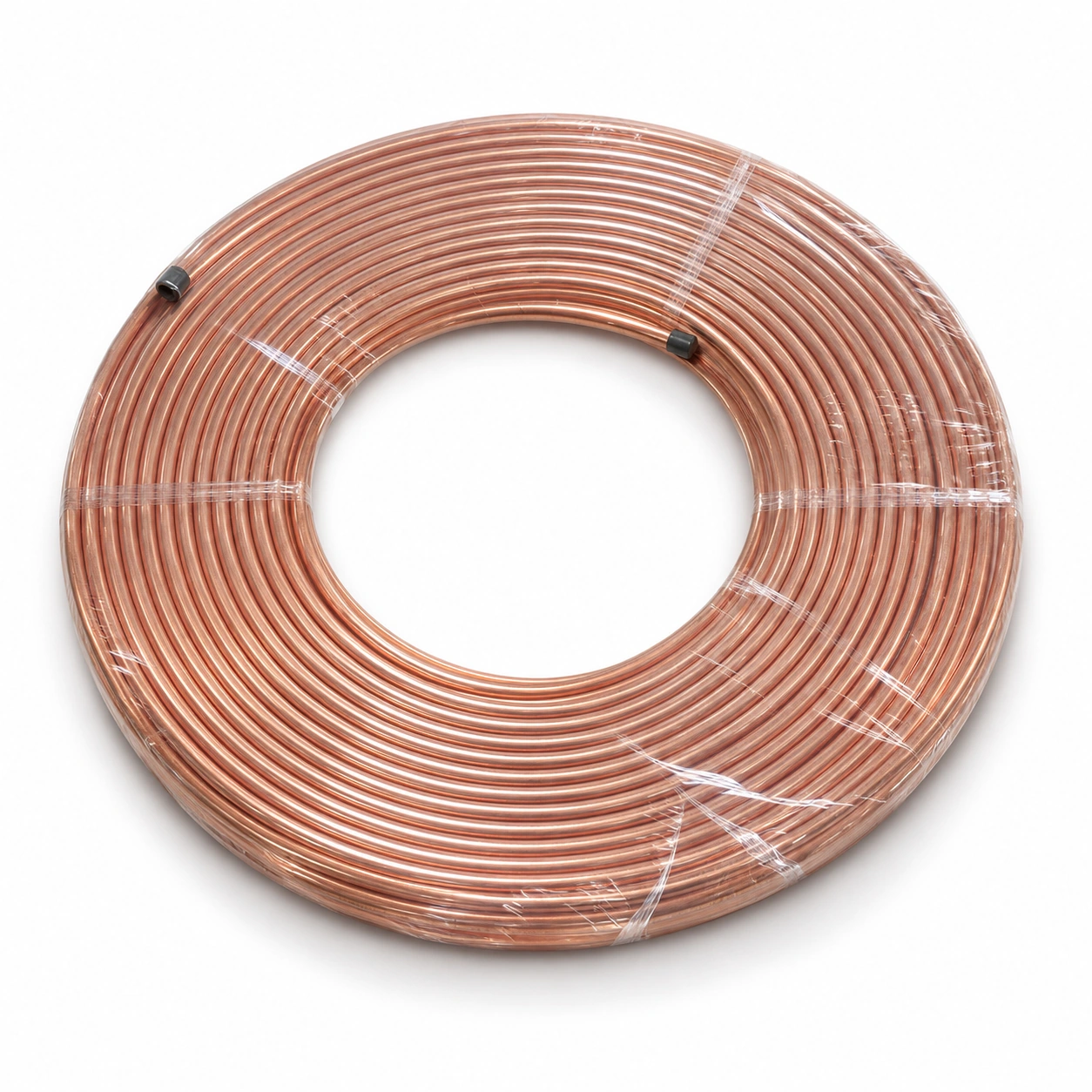
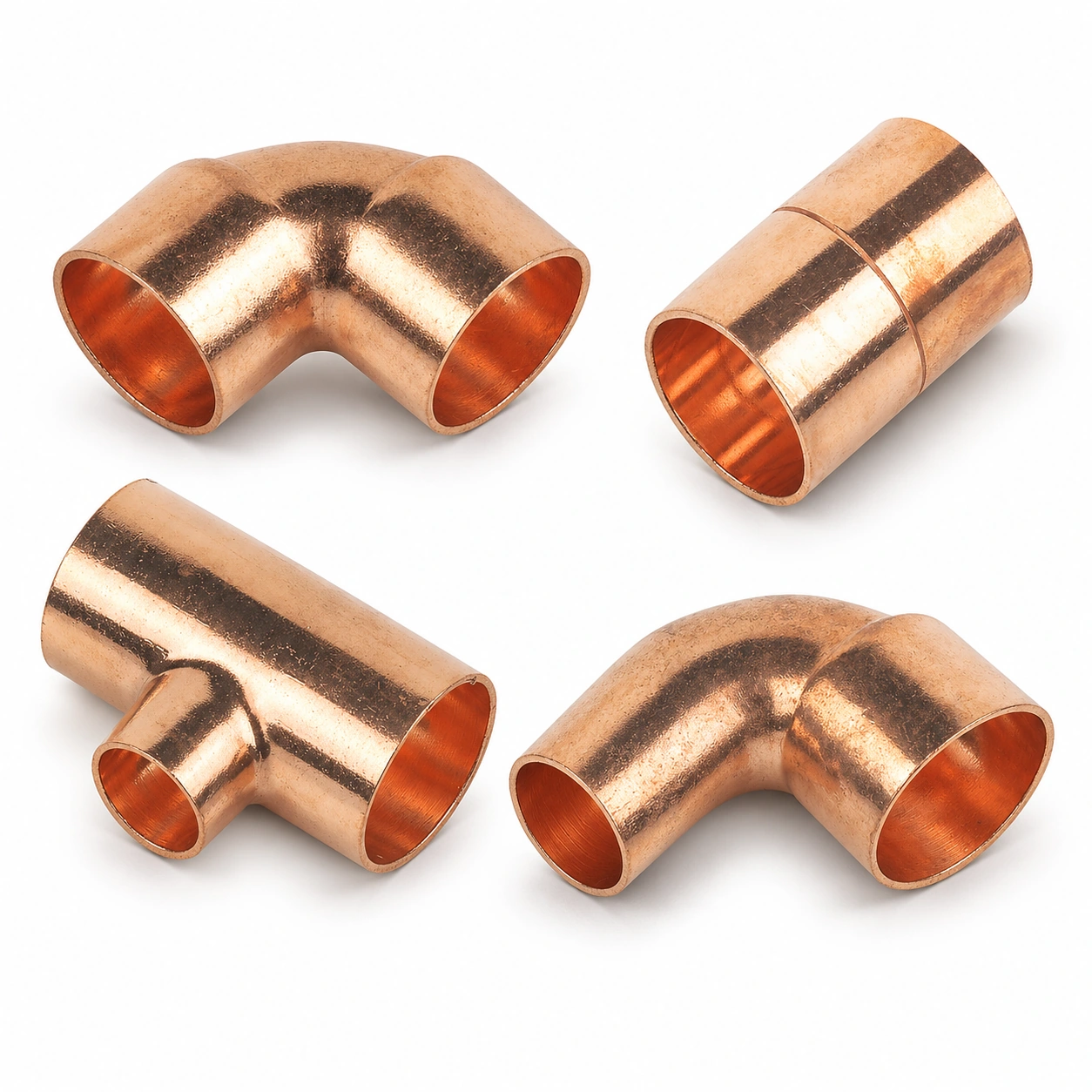
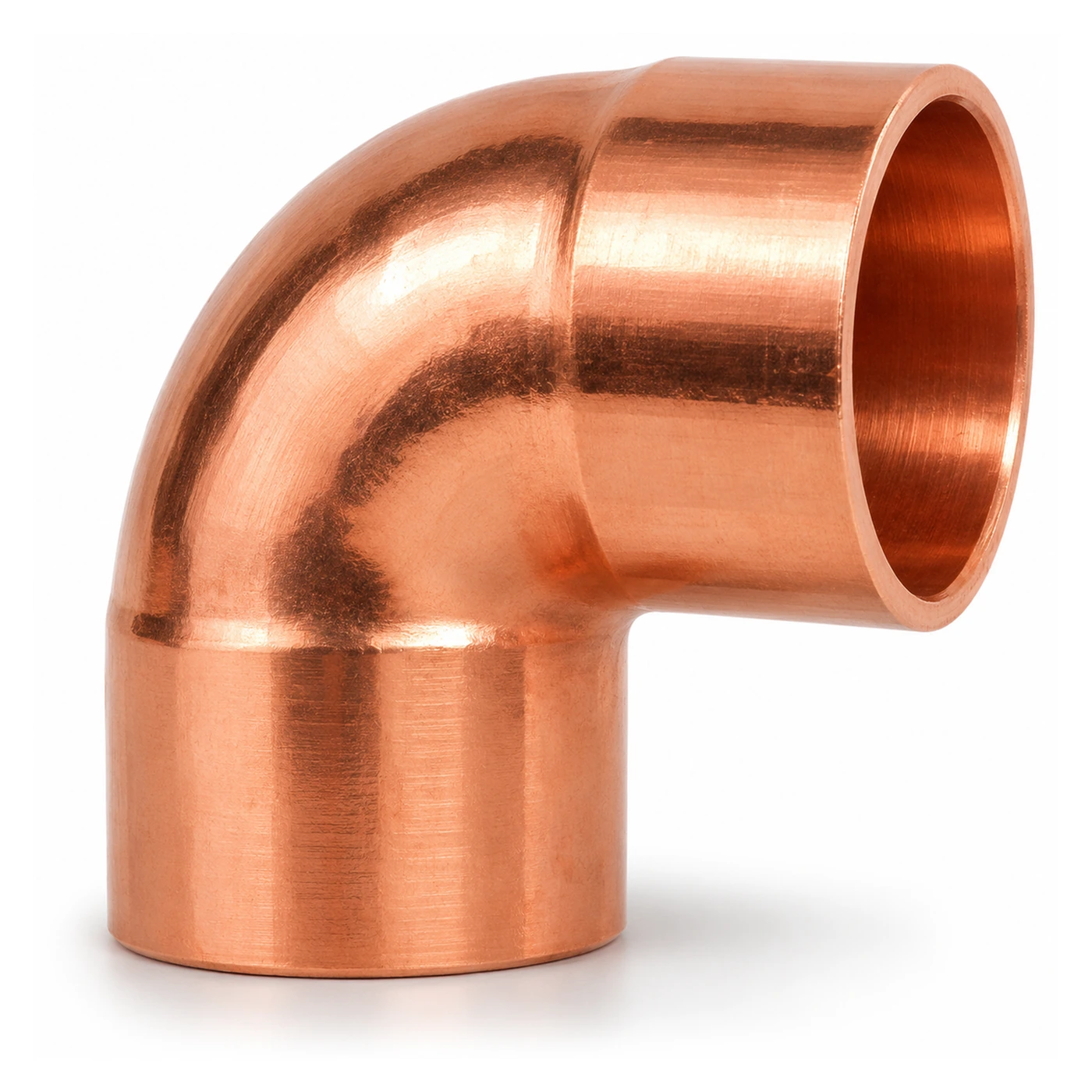
BWC Medgas supplies selected medical-gas copper tubes and fittings that can be specified against exact drawings and purchased quantities. Workmanship qualification, site purging and the completed-system verification remain with the authorized project parties.
Send material schedules and documented component requirements to BWC Medgas.
Frequently asked questions
Can a finished exterior appearance establish a clean internal bore?
No. The accepted process evidence and verification requirements must address internal conditions.
Should every project copy a single nitrogen purge rate from an online guide?
No. Use the qualified procedure, project conditions and applicable governing code, under competent supervision.