
“22 mm elbow” seems unambiguous until the fitting is bought for a medical-gas system designed around a different dimensional convention, joint style or cleanliness requirement. A commercially available plumbing fitting may look similar to a medical-gas fitting without having the approved material and manufacturing evidence for the project.
The useful question is whether the complete tube–fitting–joining-system interface is accepted, not whether both invoices mention copper. A controlled interface matrix prevents mismatched purchasing and uncontrolled field modification.
Define the reference standard and size convention
An EN 13348 tube is commonly specified by metric outside diameter and associated dimensions. DIN EN 13348:2016 is a product standard for seamless copper tubes used in medical gases or vacuum.
An ASTM B819 tube is specified as specially cleaned Type K or Type L product under ASTM B819-19; its designation and dimensions must follow that standard and the hospital's US design basis. Do not treat the numbers in two national catalogues as a universal conversion chart.
The procurement schedule should state actual outside diameter, relevant wall specification, tube temper/form, material and adopted standard. A nominal trade description alone is insufficient.
Separate fitting end form from shape
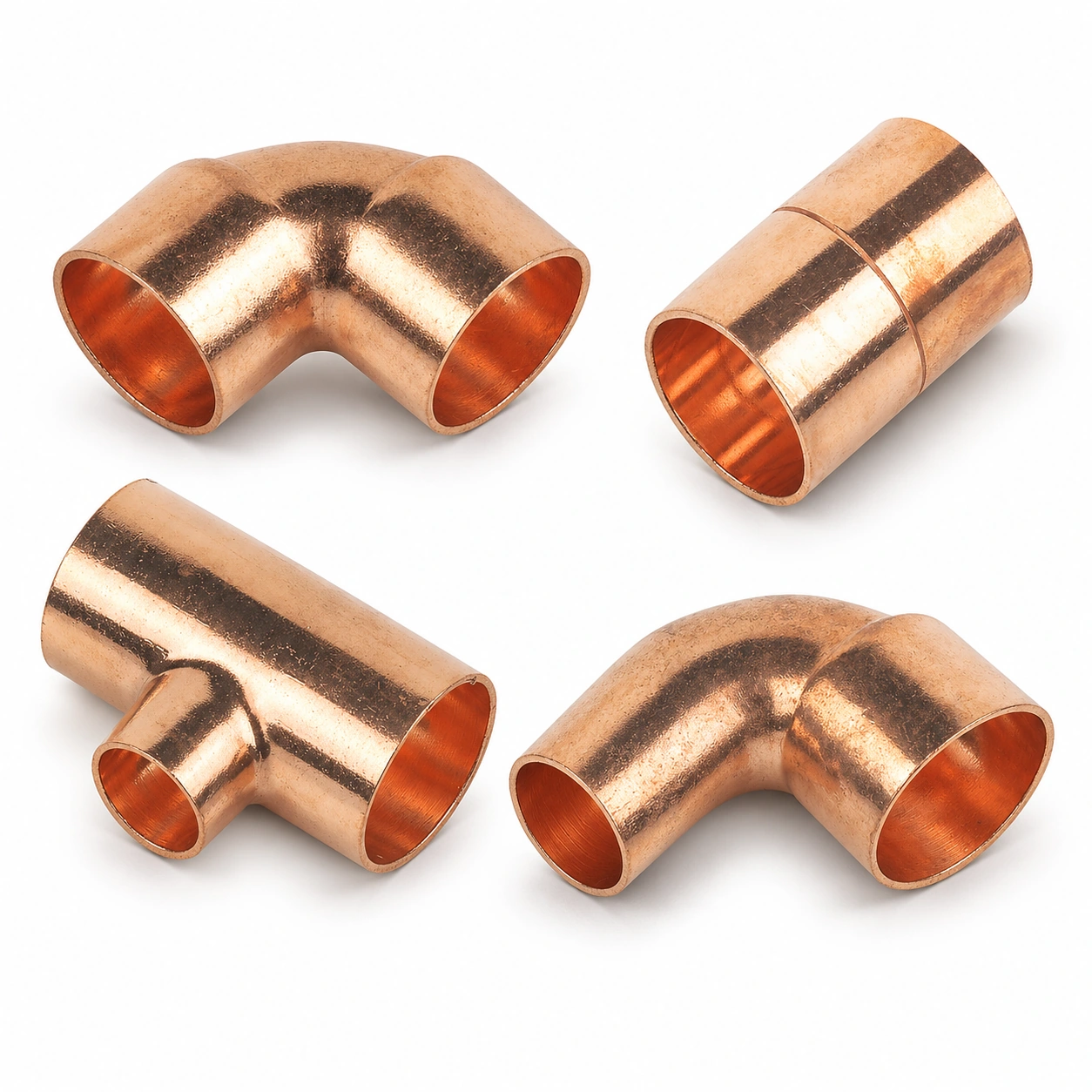
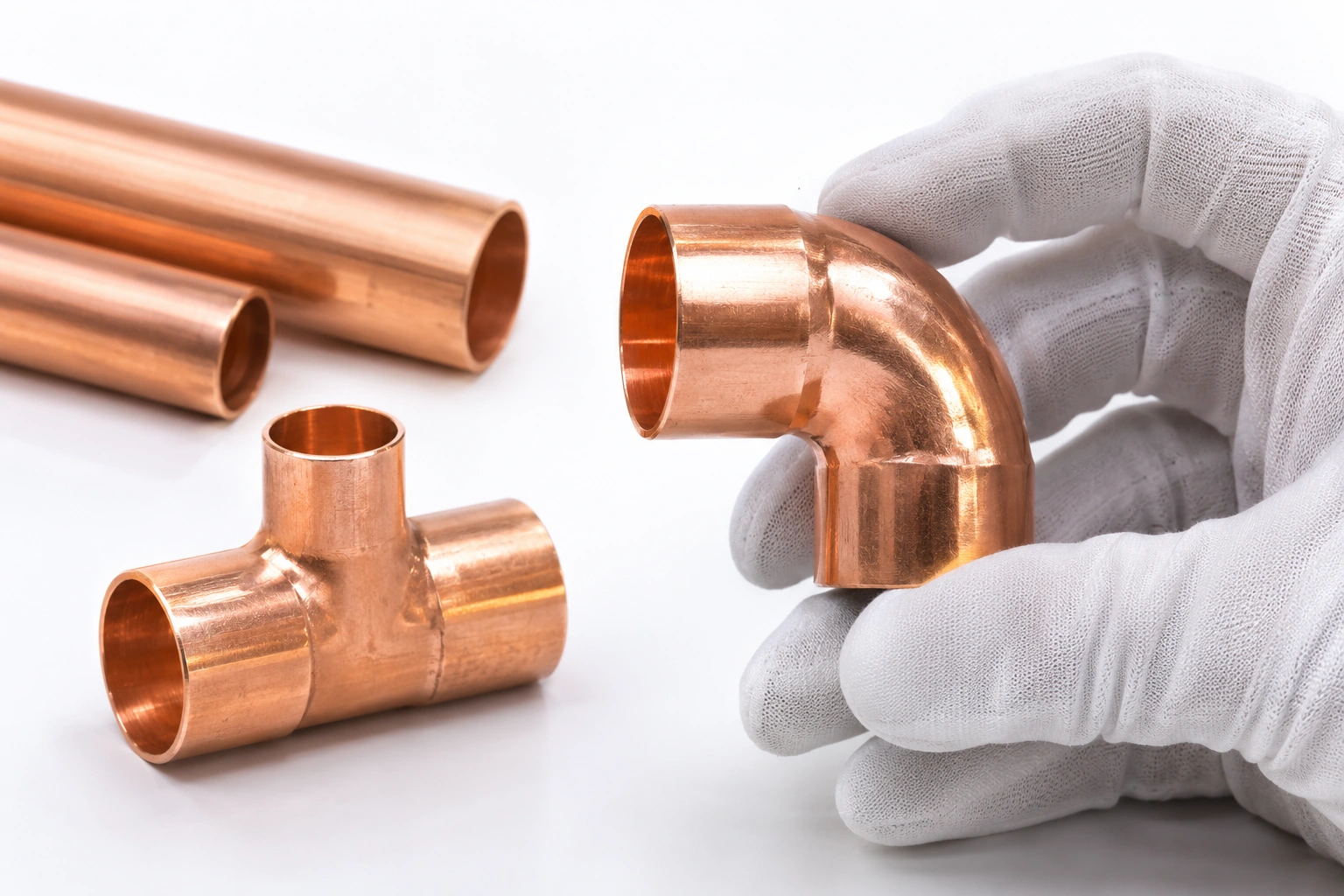
Two “90° elbows” can differ in connection geometry, insertion depth, end-feed arrangements, or whether both ends have identical dimensions. Likewise, a reducing tee has multiple interface sizes and orientations.
BS EN 1254-1:2021 concerns capillary fittings for joining copper tubes and lists EN 13348 among the tube standards it can connect. That generic product scope does not by itself establish that every fitting in the standard is suitable for a particular medical gas application.
Use the correct full product part number and check the approved project joining process.
Build an interface acceptance table
| Field | Supplied tube | Supplied fitting | Review decision |
|---|---|---|---|
| Adopted standard/edition | Exact designation | Exact fitting standard | Match or formally approve difference |
| Connection dimension | Verified outside diameter | Manufacturer's mating dimension | Designer's compatibility review |
| Wall/thickness/temper | Project specification | Suitable joining interface | Engineering approval |
| Intended medical-gas service | Approved project use | Documented supplier intended use | Accept/hold |
| Cleaning and closures | Lot/packing evidence | Lot/packing evidence | QA release |
| Joining method | Project-approved procedure | End form matches procedure | Qualified contractor review |
| Product traceability | Delivery lot | Fitting lot | Records in handover |
A supplier may correctly classify a fitting by EN 1254-1 but still omit the cleanliness or document control required by the hospital contract.
Treat adapters as design changes
When a contractor discovers a mismatch, improvising adapters, grinding ends or forcing connections is not a procurement solution. Record the interface discrepancy, affected drawings and service, the proposed substitute, and the responsible designer's disposition.
An accepted solution might require a different component or an approved engineering revision. The decision must not be made from appearance alone.
Consider maintenance and access
A joint's physical location affects inspection, access and future maintenance. The MEP coordinator must ensure joints, supports and other interfaces are placed according to the approved route and safety requirements.
Where the system crosses a building or package boundary, clarify which contractor supplies the mating fitting, who installs it, who produces its QA record and how the assembled interface will be tested.
Example of a wrong reducing fitting
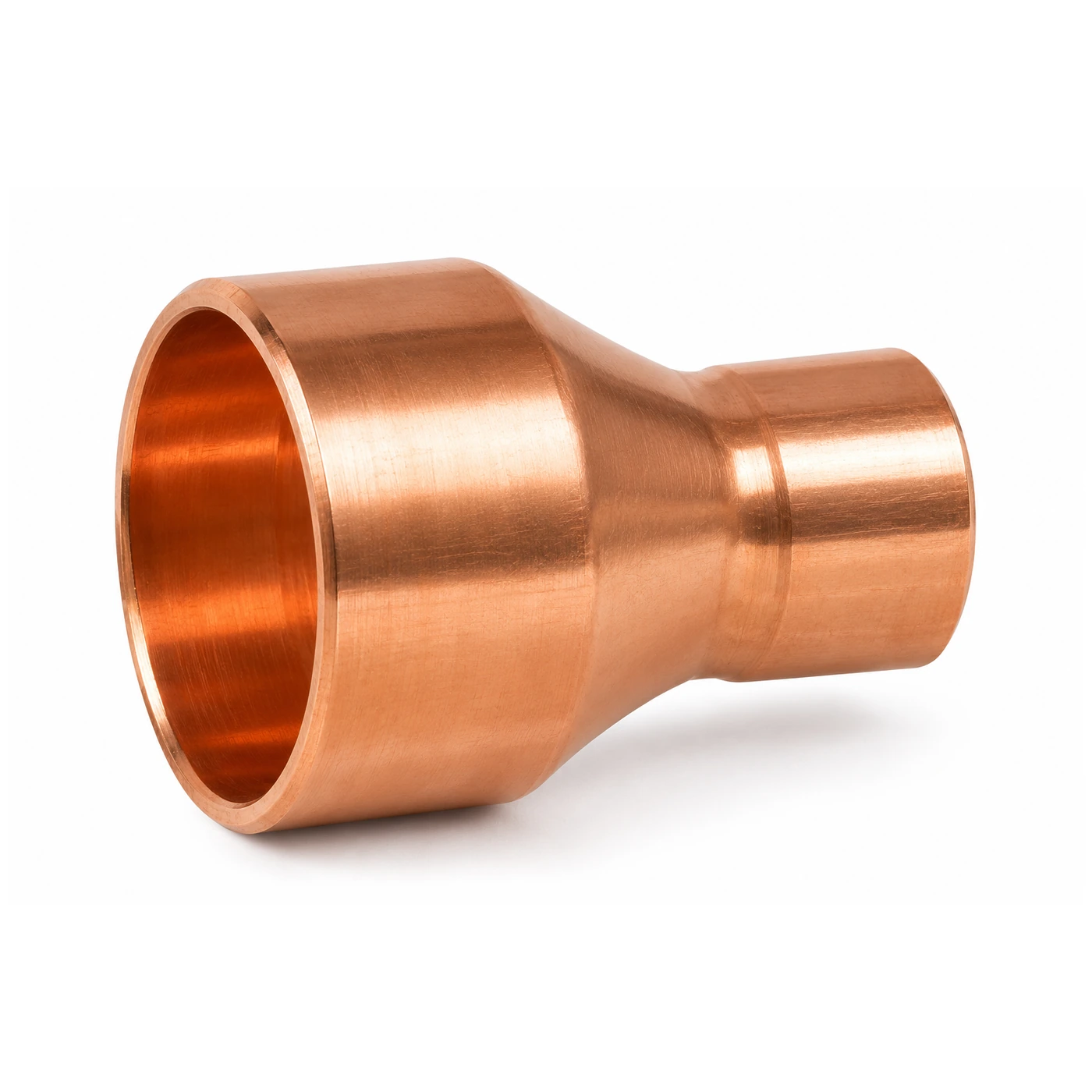
A drawing specifies a reducing tee with three individually defined sizes. A procurement spreadsheet shortens the description to “reducing tee 28 mm,” losing the two branch dimensions. Two vendors price different products that both appear to satisfy the short description.
The remedy is a complete three-leg size schedule, the drawing reference and the accepted supplier product code. Do not compare these bids as equivalent until the interface is clarified.
A two-stage supplier review
Technical gate: verify service, dimensions, joint style, cleanliness evidence and installation compatibility.
Commercial gate: compare the same approved model, quantity, packing, lead time and supporting documents across offers.
This sequencing prevents a low price from concealing an unusable connector.
What to retain at closeout
Keep the final schedule of tubes and fittings by drawing/zone, approved substitutions, relevant lots, joining/inspection records and as-installed changes. These records can help operators locate the right spare when the pipeline is modified years later.
Relevant BWC Medgas components
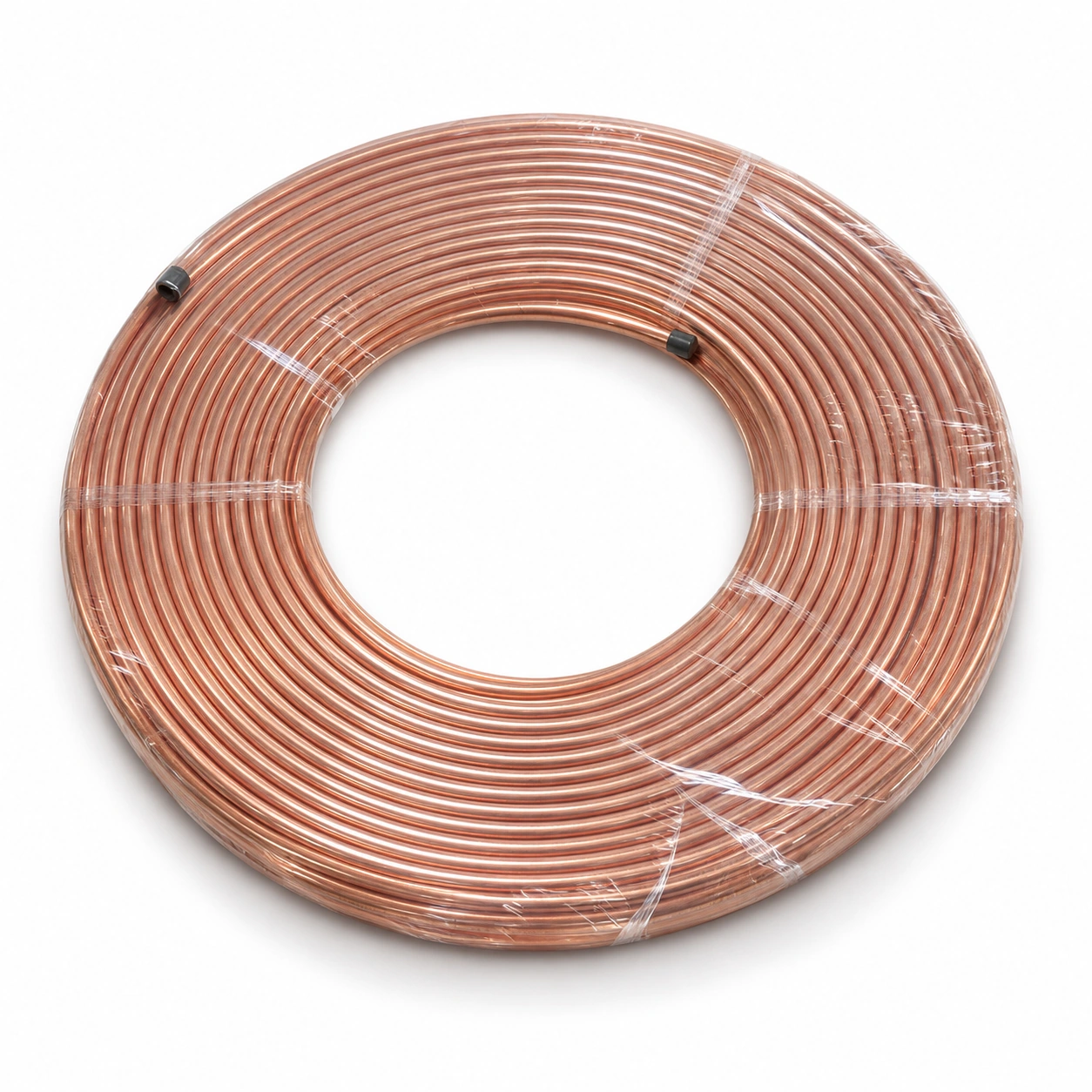
BWC supplies selected medical-gas copper tube, degreased elbows, tees and couplings. Supply the full leg sizes, end style, approval/cleanliness documentation and quantities to obtain comparable part-specific quotations.
Discuss the approved copper interface schedule with BWC Medgas.
Frequently asked questions
Can a regular copper plumbing fitting be used if the diameter looks correct?
Not on that evidence alone. Its medical-gas suitability, cleanliness and approved joining/installation specification must be demonstrated.
Is BS EN 1254-1 a substitute for ISO 7396-1?
No. The former is a fitting product specification; the latter addresses the medical-gas system.