
Hospitals may receive oxygen from different supply technologies. Engineers and purchasing teams sometimes see terms such as medical oxygen, oxygen 93, PSA oxygen, cylinder oxygen and oxygen pipeline in the same project documents.
These terms are not automatically interchangeable. The public standard and WHO definitions explain why the oxygen source and the downstream medical gas pipeline need to be specified clearly before requesting components.
What does ISO 7396-1 say about oxygen 93?
The published scope of ISO 7396-1:2016 addresses pipeline systems supplying oxygen as well as systems supplying oxygen 93.
Its abstract distinguishes supply systems in which all sources deliver oxygen at a concentration greater than 99% from supply systems in which all sources deliver oxygen 93, with an oxygen concentration that may vary from 90% to 96%.
The same ISO description acknowledges that some medical gas supply systems may deliver a mixture of oxygen and oxygen 93, so actual concentration can vary according to the approved arrangement.
These are the terms and ranges described by the official standard. They are not a recommendation to alter gas quality, modify a source or combine different supplies.
What does the World Health Organization say?
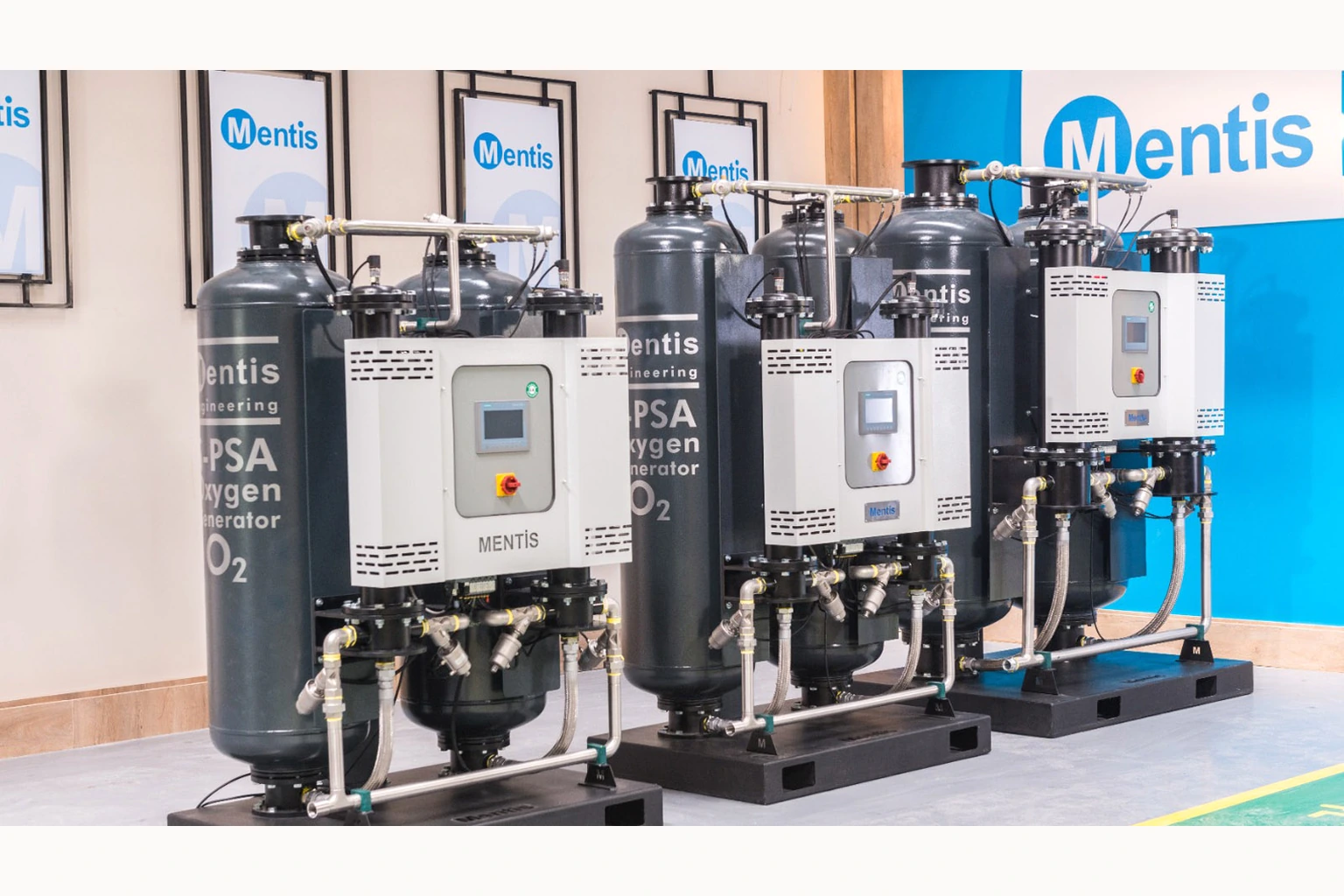
The WHO medical-use oxygen guidance distinguishes oxygen produced through air-liquefaction and oxygen generated using pressure swing adsorption (PSA). It identifies oxygen 93 as a relevant category for PSA technologies.
The WHO technical specifications for health-facility-based oxygen systems cover minimum quality, safety and performance considerations for oxygen sources, storage and distribution products in healthcare settings.
The emphasis on both source and distribution helps clarify an important procurement point: a gas generation unit, an oxygen storage arrangement and a medical gas terminal unit belong to different supply scopes.
WHO guidance does not automatically establish local approval of a particular product or make the website of a component manufacturer responsible for a hospital's oxygen source design.
Does oxygen 93 require a different outlet design?
The ISO 9170-1:2017 terminal-unit scope explicitly names oxygen 93 among gases within its covered applications. It also addresses oxygen terminals and gas-specific assembly, and states that particular probe dimensions can depend on national or regional standards.
That does not mean every oxygen terminal automatically suits every oxygen 93 system. The exact outlet, identified gas service, connection family, intended product application and project requirements must be confirmed from applicable design and manufacturer documentation.
A contractor should not change the specified gas service or adapt connectors based on a general explanation of concentration.
Why are source and downstream supply boundaries important?
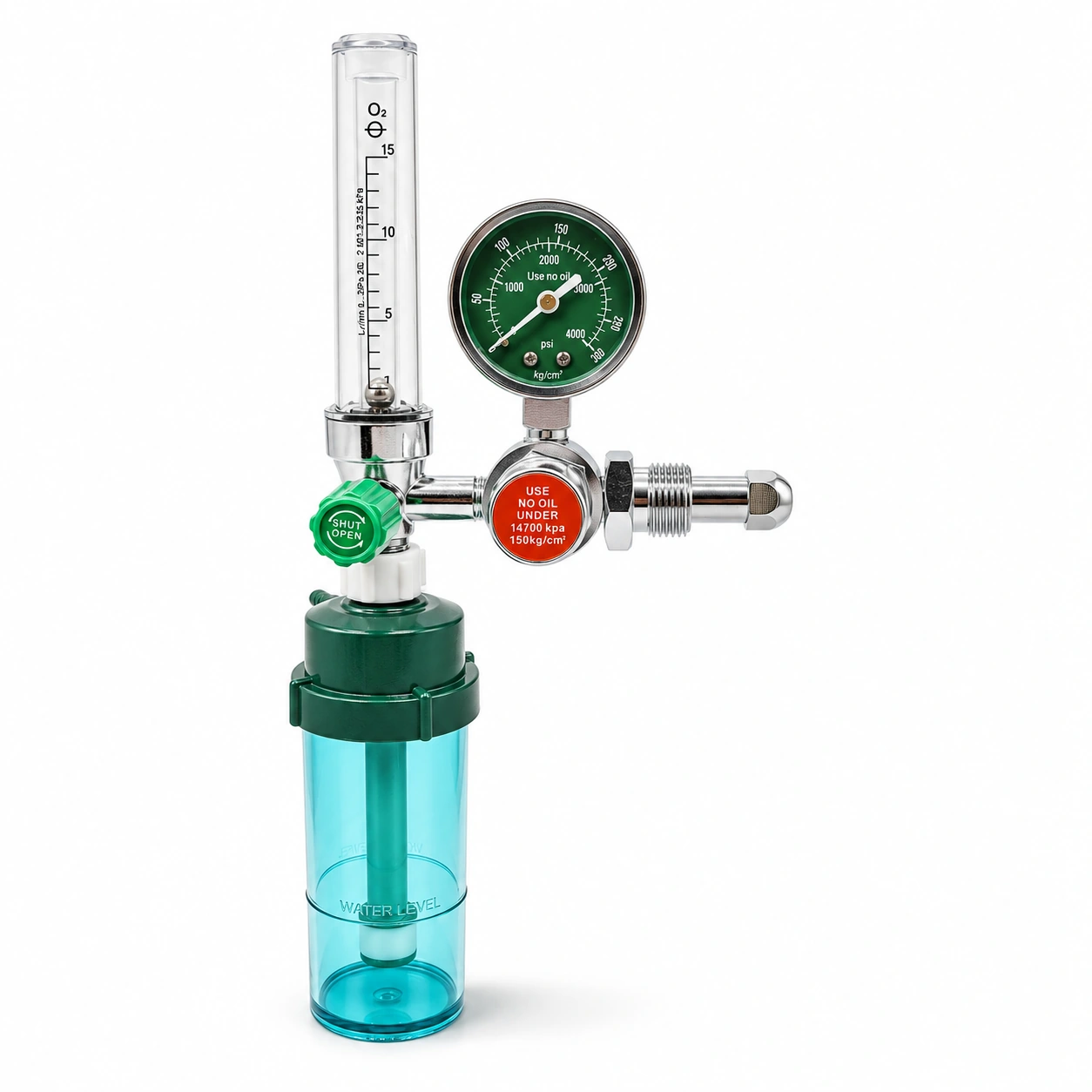
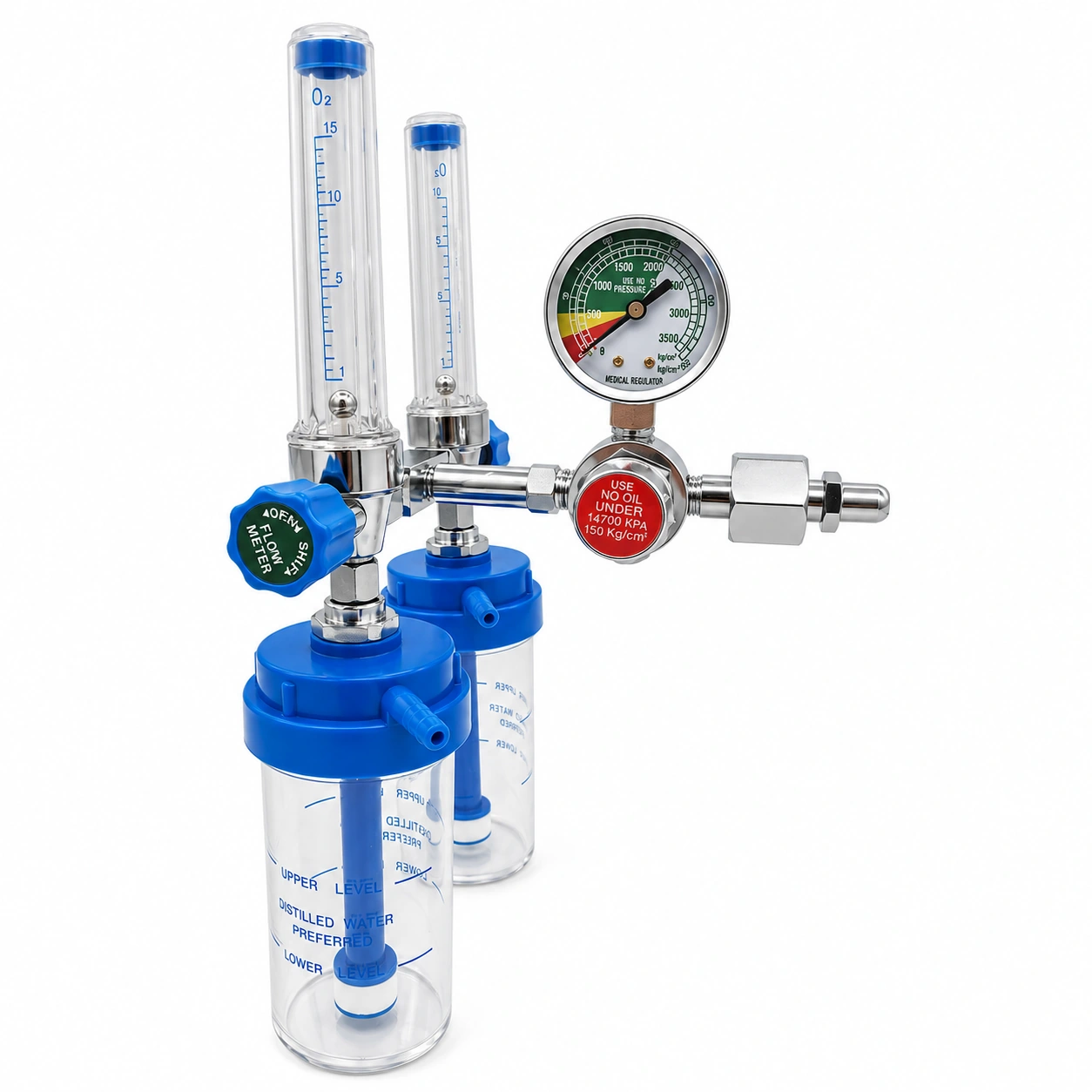
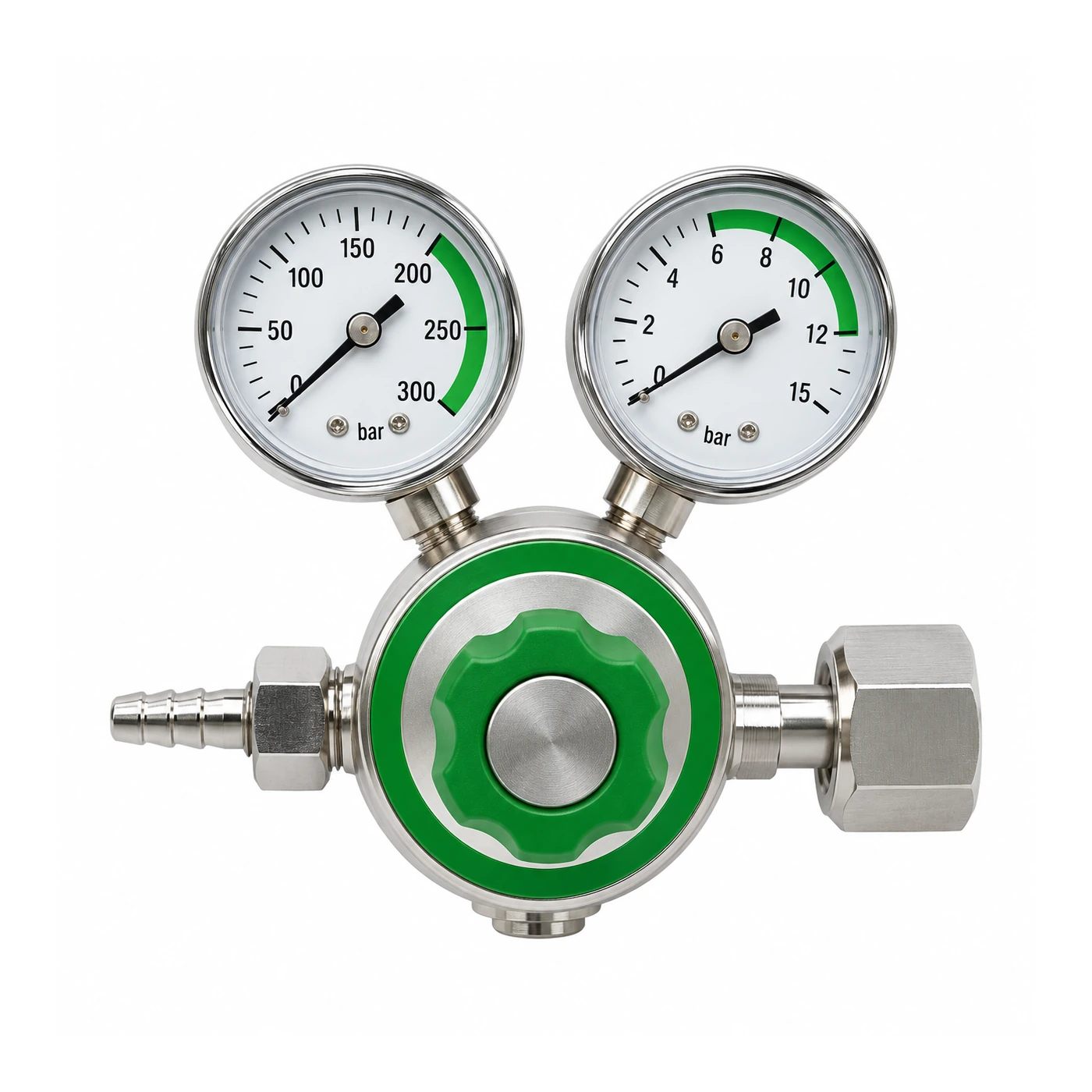
A purchase order for a hospital oxygen supply project may include cylinder manifolds, regulators, gas-service valves, area valve boxes, alarm panels, copper tube fittings and terminal outlets.
That does not mean the same supplier is manufacturing the hospital's complete oxygen plant. Source engineering, distribution design and component manufacturing can be separate work packages.
The approved project design should define which downstream devices and monitoring interfaces are required and which party is responsible for each equipment or document package.
Which details help BWC prepare a useful quotation?
Before requesting prices, the project team should identify:
- The approved oxygen service and applicable source-system specification.
- The required component categories and the precise supply boundary.
- Terminal unit gas service, mating connection family and quantities.
- Manifold or pressure accessory descriptions and approved connection drawings.
- Area isolation and alarm specifications where those components form part of the scope.
- The adopted project standards and any model-specific documentation required.
- Delivery location, project quantities and any existing installation details.
This is a component procurement checklist, not a hospital oxygen source engineering method.
BWC Medgas component scope
BWC Medgas provides manifold components, oxygen-related terminal outlets, valves and area valve boxes, alarm products and regulators.
BWC's component range should not be presented as an internally manufactured PSA oxygen generation plant. If the customer needs components for an approved pipeline project, share the part list and relevant drawings for a product-specific discussion.
Discuss an oxygen MGPS component schedule with BWC.
Frequently asked questions
Is oxygen 93 simply a marketing name for all medical oxygen?
No. The official ISO and WHO descriptions distinguish oxygen 93 from other oxygen source categories.
Does ISO 7396-1 tell me which source to install?
Its public scope addresses a range of source-system arrangements. The appropriate source design requires the full relevant requirements, engineering assessment and local regulatory framework.