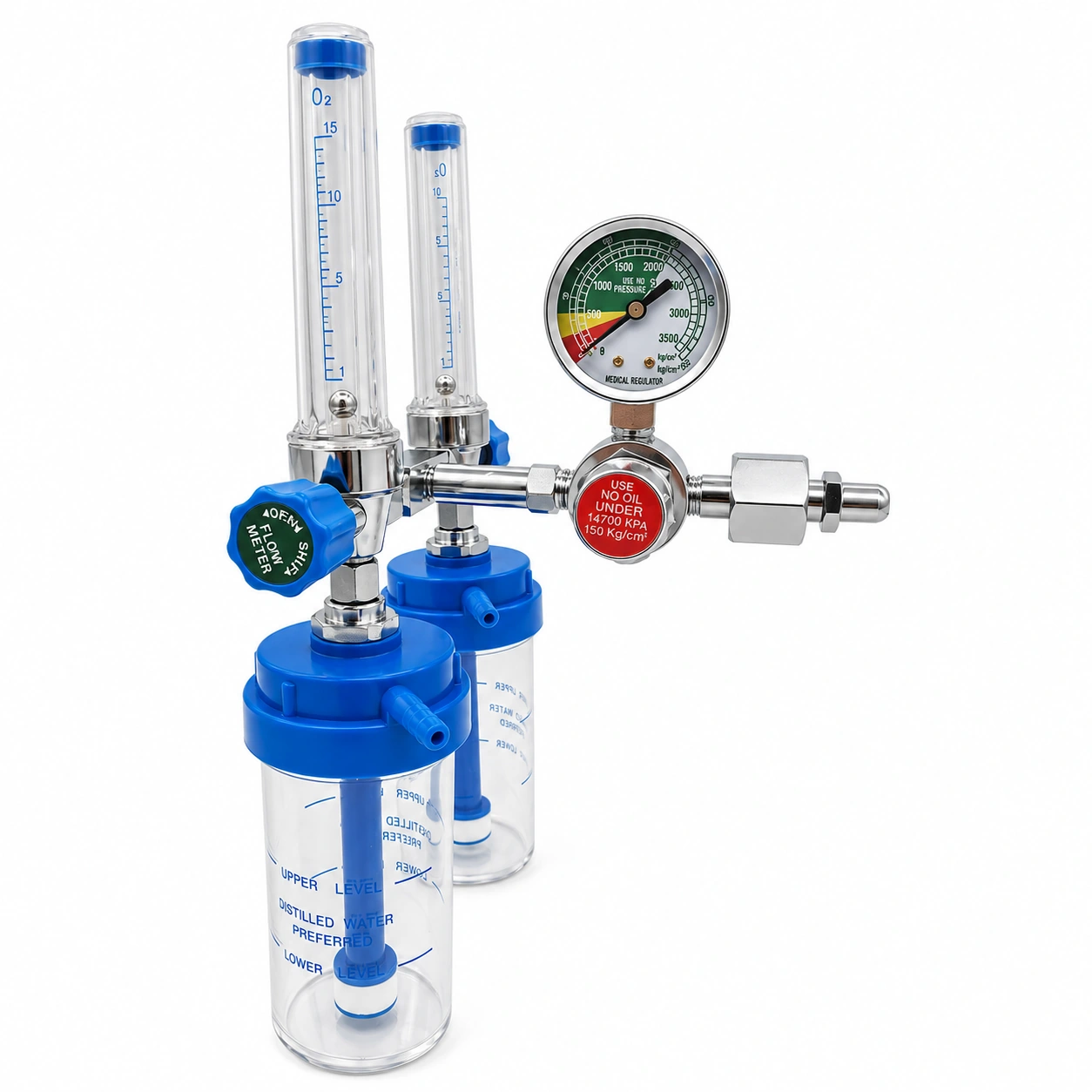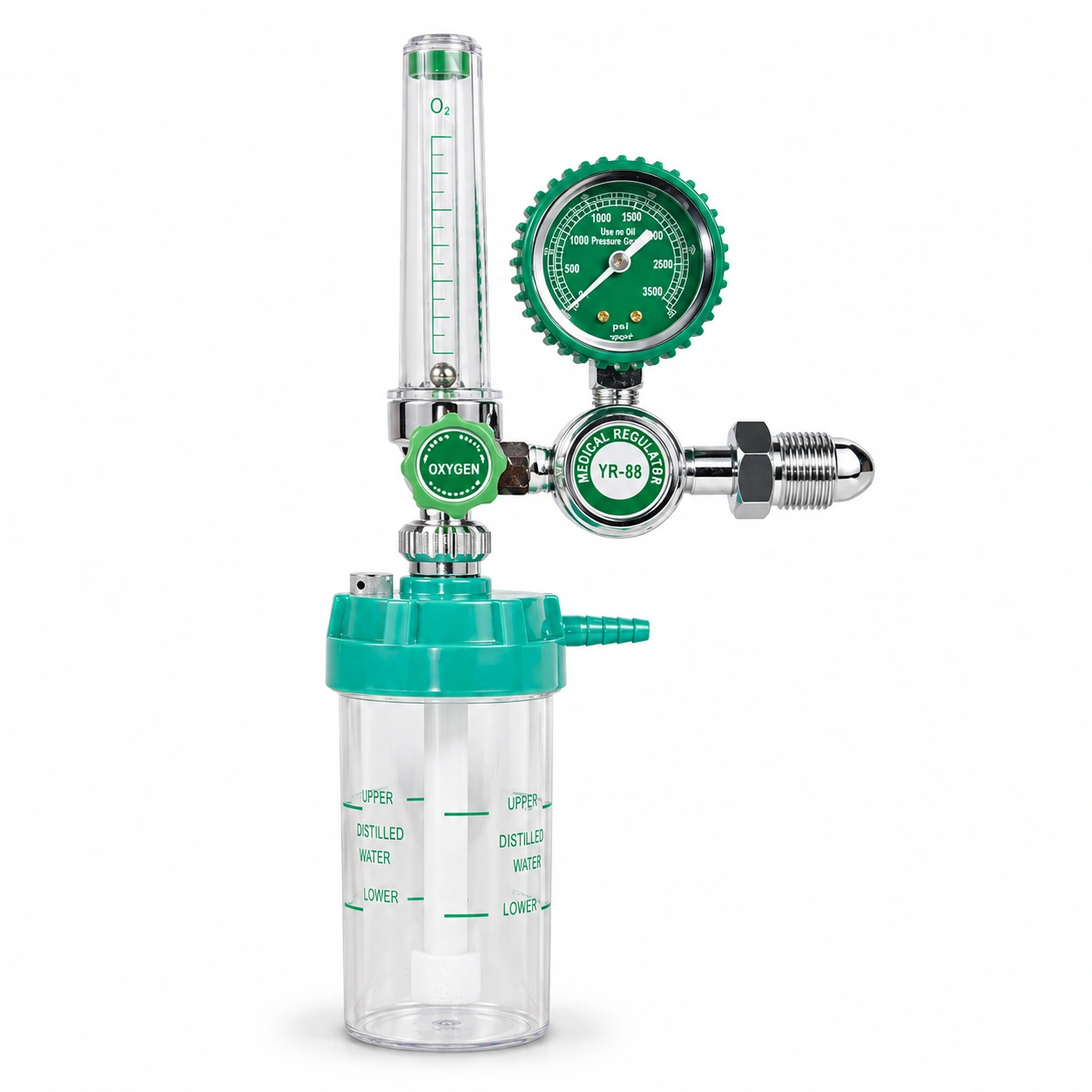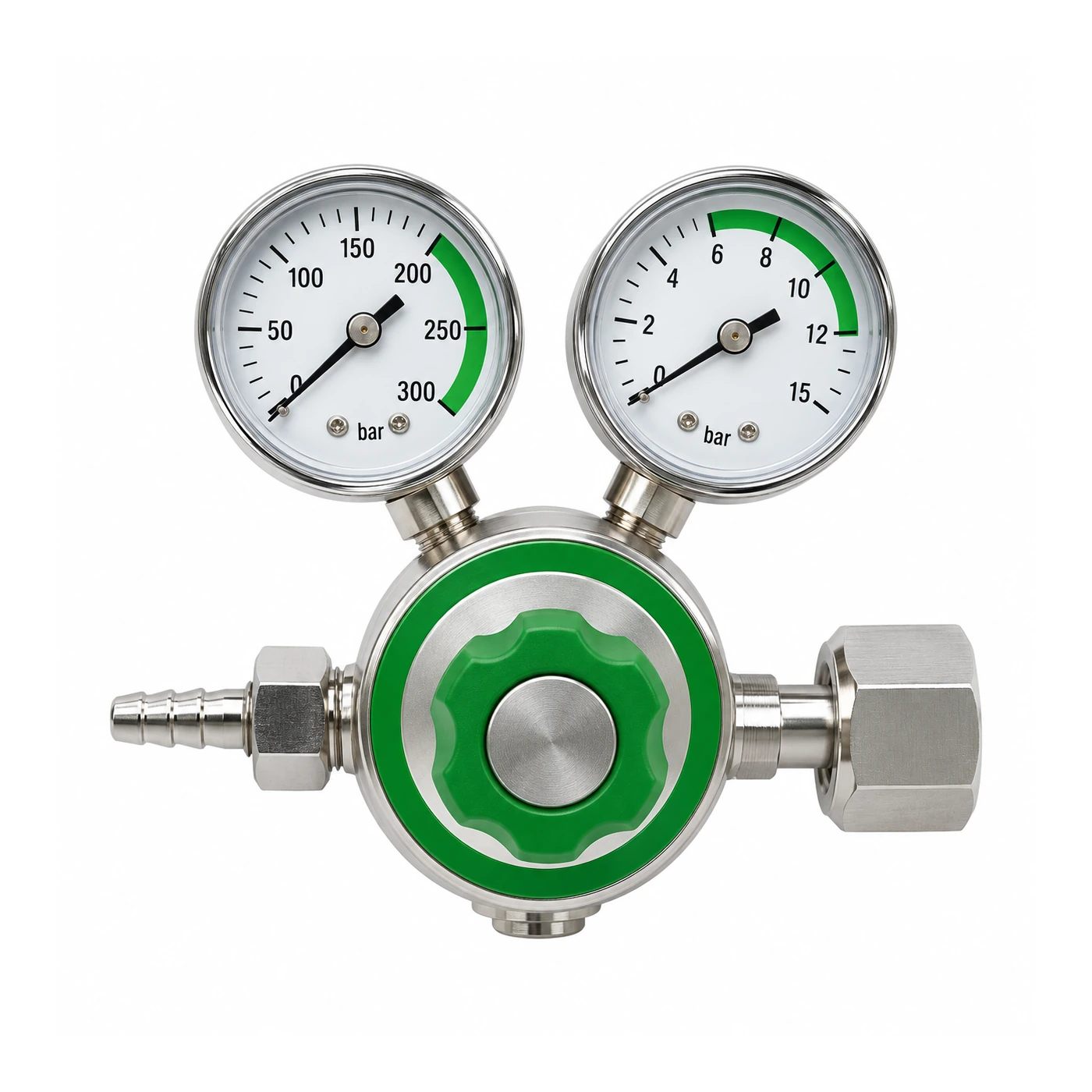

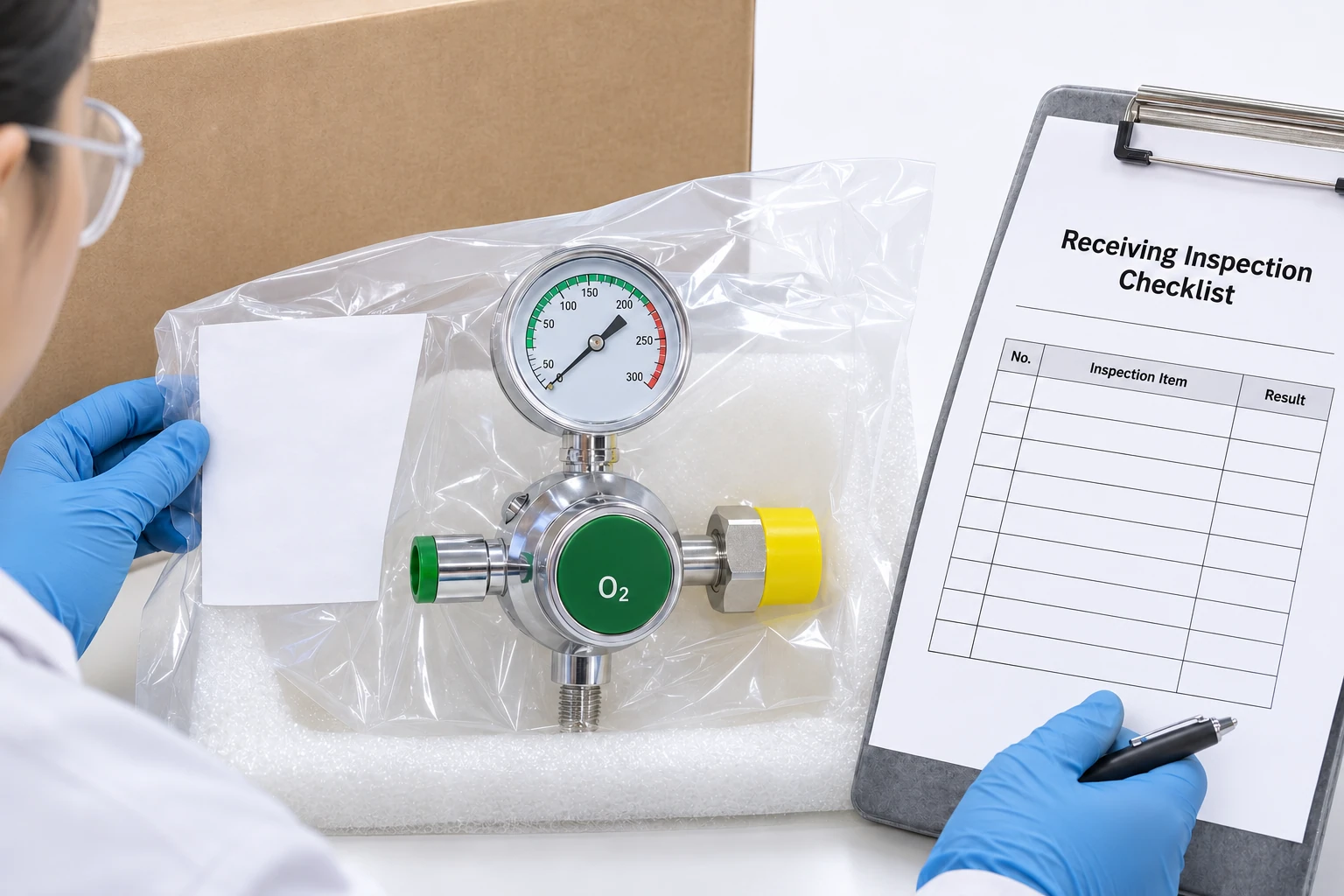
Medical oxygen regulators, flow-control devices and gauges may arrive in one shipment beside industrial pneumatic components. They can share a metal finish and approximate dimensions, but a matching appearance does not establish oxygen-service suitability or preserve a manufacturer's required cleanliness condition.
A receipt-and-quarantine record allows the hospital or installation contractor to accept only the exact approved configuration with traceable material, cleaning and handling evidence. This is a quality management procedure, not a guide to cleaning oxygen components at the workbench.
Distinguish design compatibility from a clean package
ISO 15001:2010 concerns oxygen compatibility in the specified anaesthetic and respiratory equipment scope, including material choice, ignition resistance and cleanliness. A manufacturer's declared intended service, design risk assessment and component-specific supporting records are essential.
A sealed bag is one preservation measure. It cannot by itself prove internal cleanliness, the correct elastomers or a model's rated duty. Conversely, a satisfactory factory document cannot overcome obvious shipping damage without proper quality review.
Identify every gas-contact component
The relevant path may include a regulator body, diaphragm, seals, spring-related interfaces, pressure gauge internals, connector, tube and flow-control mechanism. Ask the manufacturer to define the gas-contact materials for the exact delivered revision.
A change from one seal compound to another is an engineering variation, even when the catalogue model name remains the same. Obtain technical acceptance rather than silently merging stock.
Incoming acceptance table
| Receipt evidence | What to record | Reason for hold |
|---|---|---|
| PO and item model | Gas, model, revision, ordered options | Variant differs from approval |
| Packaging | Approved protection/seals intact | Missing cap, rupture or contamination |
| Manufacturing lot | Batch/serial, manufacturer identification | Traceability is missing |
| Gas suitability | Exact manufacturer declaration | General “for gases” marketing only |
| Material configuration | Approved model-specific specification | Unreviewed seals/material change |
| Cleanliness evidence | Required production control/inspection record | Cannot match device and record |
| Technical duty | Pressure, flow, connections | Outside approved performance |
| Documentation | Instructions, maintenance, compliance/test files | Missing required deliverable |
Inspection staff should avoid opening protected gas paths merely to verify a clean appearance. The approved receiving plan determines handling.
Do not improvise decontamination
If a protective cap is missing, a bag is torn or internal residue is suspected, identify and quarantine the affected item. The manufacturer and responsible quality/engineering team decide whether replacement, approved reprocessing or another disposition is permitted.
Do not suggest compressed-air blowouts, lubricants, solvents or ad hoc wiping inside medical oxygen equipment. Improper processing can increase risk rather than restore approved cleanliness.
Match cleaning to the intended device standard
Cylinder regulators and devices with integrated flow metering are addressed in ISO 10524-1:2018; manifold and line regulators in ISO 10524-2:2018; specified user-connected flow-control devices in ISO 15002:2023. These scopes are not equivalent.
A receipt checklist should state which type is supplied, which evidence belongs to it and which installation organization will complete subsequent testing. A single generic “ISO medical gas certified” phrase is insufficient.
A practical shipment discrepancy
A site receives 20 oxygen flow-control units in sealed packs and five replacement regulators in loose protective wrap. The supplier sends a factory cleanliness document for the whole shipment, but the identifier covers only the original 20 units.
Hold the five unmatched components and request correct item/lot evidence. They should not be accepted on the strength of a document that cannot be linked to them.
Preserve condition after receipt
Document storage restrictions, opening controls, transport to the installation area and transfer of lot/asset identification. Do not place unpackaged medical-gas parts in a mixed bin with workshop items.
The installation contractor should be able to link the installed regulator or flowmeter to the exact accepted batch and any later defect or change notice.
Separate supplier evidence from operational release
A fully documented regulator is not proof that an installed medical-gas pipeline is ready for healthcare use. NHS HTM 02-01 (2026) and adopted verification procedures distinguish delivered products from the completed system.
BWC Medgas can supply selected oxygen regulators and flow-control devices with model-specific product documents against an approved order. Technical acceptance of the assembly and system remains with the purchaser and authorized project team.
Send the oxygen-service product and batch requirements to BWC Medgas.
Frequently asked questions
Can a damaged package be accepted if the regulator looks clean?
Not solely on appearance. The authorized quality plan must determine disposition.
Does a brass body guarantee medical oxygen compatibility?
No. Materials, intended service, cleanliness and design/rating evidence all matter.