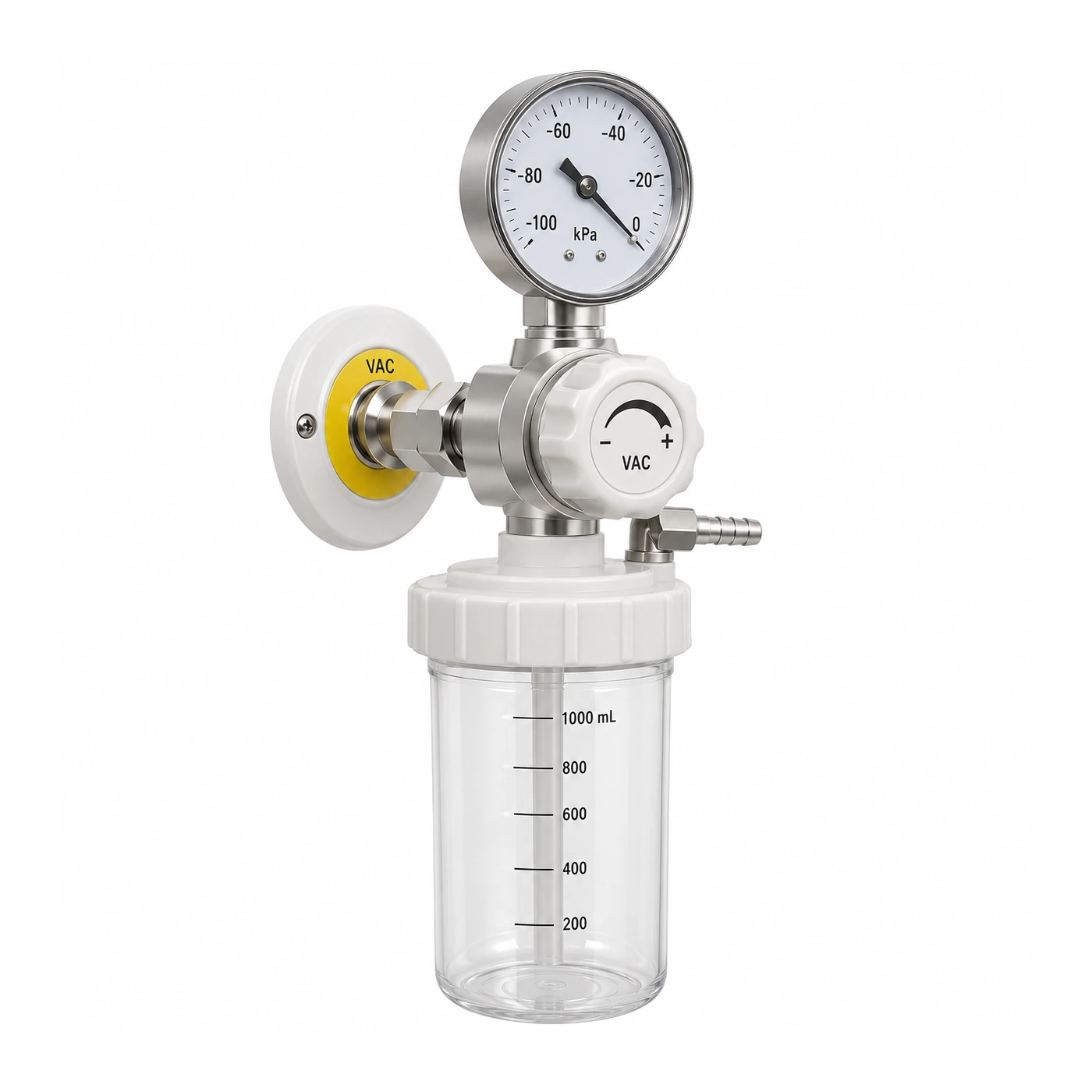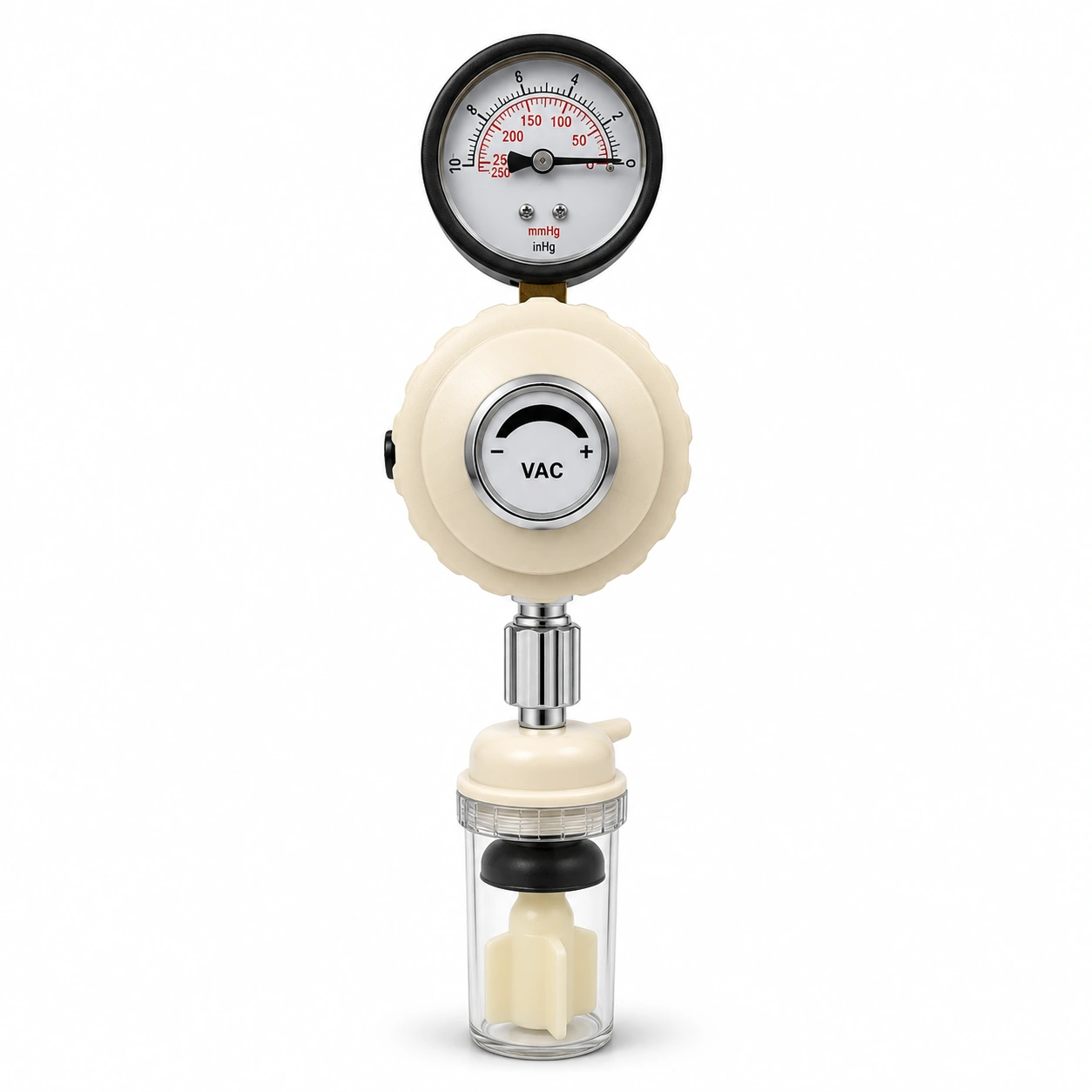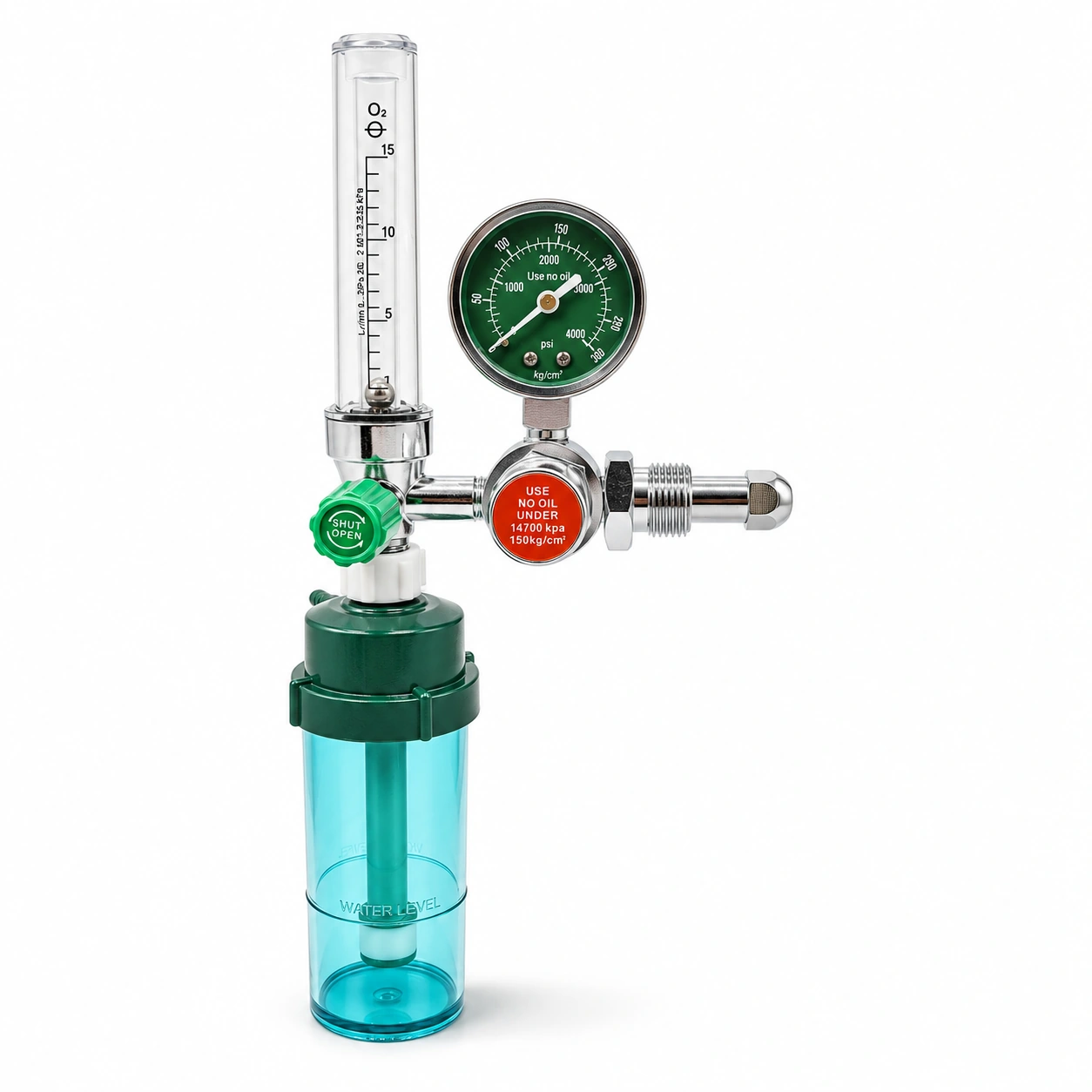
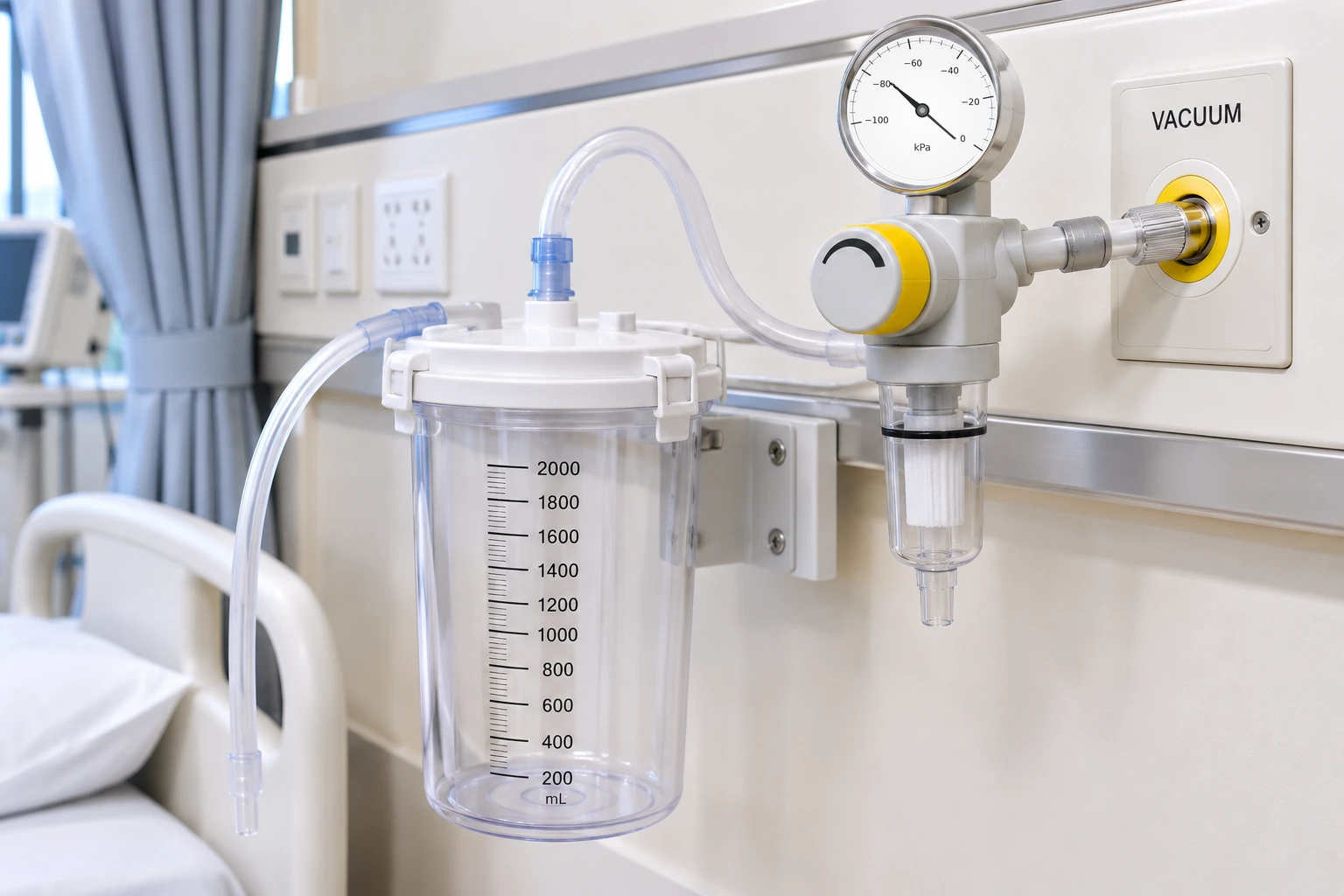
The phrase “hospital medical vacuum equipment” can refer to a full central vacuum plant, a pipeline zone valve, a point-of-use suction regulator or a collection jar. These components do not perform the same job and are not covered by identical standards. Bids are easily mispriced when the buyer combines them into one vague equipment line.
An effective technical bid and lifecycle matrix separates the source generation system from the distribution and patient-side accessory scopes, then compares like-for-like compliant proposals.
Define the boundary before requesting prices
A medical vacuum plant and installed network belong to the MGPS framework under ISO 7396-1:2016. A defined vacuum-source-powered patient suction assembly is addressed by ISO 10079-3:2022 plus applicable general requirements in ISO 10079-4:2021.
State whether the order concerns (1) a complete source plant, (2) distribution accessories, or (3) bedside regulators/jars. Do not claim one component's conformity covers another level.
Technical and commercial comparison
| Requirement | Plant supplier answer | Accessory supplier answer |
|---|---|---|
| Item scope | Pumps, receiver, filters, controls and installation | Regulator, jar, connection and approved accessories |
| Applicable standard | Source/network design and adoption | Suction equipment model scope |
| Duty | Specified vacuum and useful flow at load cases | Rated device operation and intended use |
| Connections | P&ID and distribution interface | Vacuum terminal and patient-side connectors |
| Resilience | Approved source standby and fault behavior | Device reliability and replacement spares |
| Documentation | Exact pump/receiver controls, FAT/SAT | Model/lot/IFU and device tests |
| Maintenance | Access, oil/filter service, consumables | Jar, seal, liner and regulator support |
| Regulatory/clinical | Hospital source verification and release | Biomedical/infection prevention approval |
| Price terms | Installation, shipping, testing, training | Actual supplied item, accessories and warranty |
A box labelled “includes full vacuum system” is not meaningful without a complete bill of scope and explicit exclusions.
A fully normalized price example
Illustrative figures only, not market transaction data: Bid A includes a suction regulator at USD 95 but excludes an approved jar at USD 24 and a required interface kit at USD 16, giving a comparable item subtotal of USD 135. Bid B includes the same compliant scope for USD 128.
This arithmetic does not prove either model suitable. The engineering and biomedical approval gate comes before a commercial ranking, and freight, taxes, training and other actual contract costs remain to be applied.
Distinguish source plant operating costs
For a full plant purchase, account for electricity at the approved duty profile, service labor, filter replacement, manufacturer-defined lubricants or other consumables, spare pumps, planned and unexpected outages, exhaust arrangements and replacement component support.
Compare energy consumption under the same load case rather than substituting the highest pump power rating for annual energy cost. A useful quote includes manufacturer curves and service interval assumptions.
Evaluate spare-part dependency
An inexpensive proprietary controller or filter cartridge can have a long replacement lead time; a suction jar can be incompatible with available liners despite similar external dimensions. Record exact product and compatible part numbers, manufacturer revisions and local service arrangements.
A general claim “standard parts available” is inadequate if no part catalogue or support commitment accompanies the offer.
Factory versus installed acceptance
The supplier should distinguish factory performance records from on-site system verification, including medical vacuum plant tests and separate alarm/terminal test evidence where required. NHS Scotland SHTM 02-01 (2026) and NHS England HTM 02-01 (2026) give healthcare engineering verification frameworks.
The contract should assign responsibility for design, installation, permitted clinical interruption, site tests, operating documentation and formal hospital release. These services are not implied by shipping an equipment crate.
Avoid unsupported certification shorthand
Require exact manufacturer/model, gas/vacuum service identity, applicable standard and product evidence. A “CE” statement or a photo of a branded hospital device cannot substitute for the accepted technical schedule or locally required conformity review.
Never market an industrial vacuum pump as a clinically approved medical suction device solely because it can generate low pressure.
Final buying decision and BWC scope
Keep the bid matrix, approved deviations, full technical drawings, cost normalizations, cleaning/IFU requirements, tests, service documentation and authorized award record in one project dossier.
BWC Medgas supplies selected vacuum suction regulators, collection jars, gauges and related components. It does not offer itself as the manufacturer of complete medical vacuum source plants; plants must be tendered to appropriate system specialists.
Send your approved medical vacuum accessory RFQ to BWC Medgas.
Frequently asked questions
Can two bids named “medical vacuum system” be compared by price alone?
No. They may cover entirely different plant, pipeline, device and installation scopes.
Does a catalogue claim of “medical suction” establish compatibility with the hospital wall terminal?
No. The exact approved connection, intended duty and model documentation are still required.