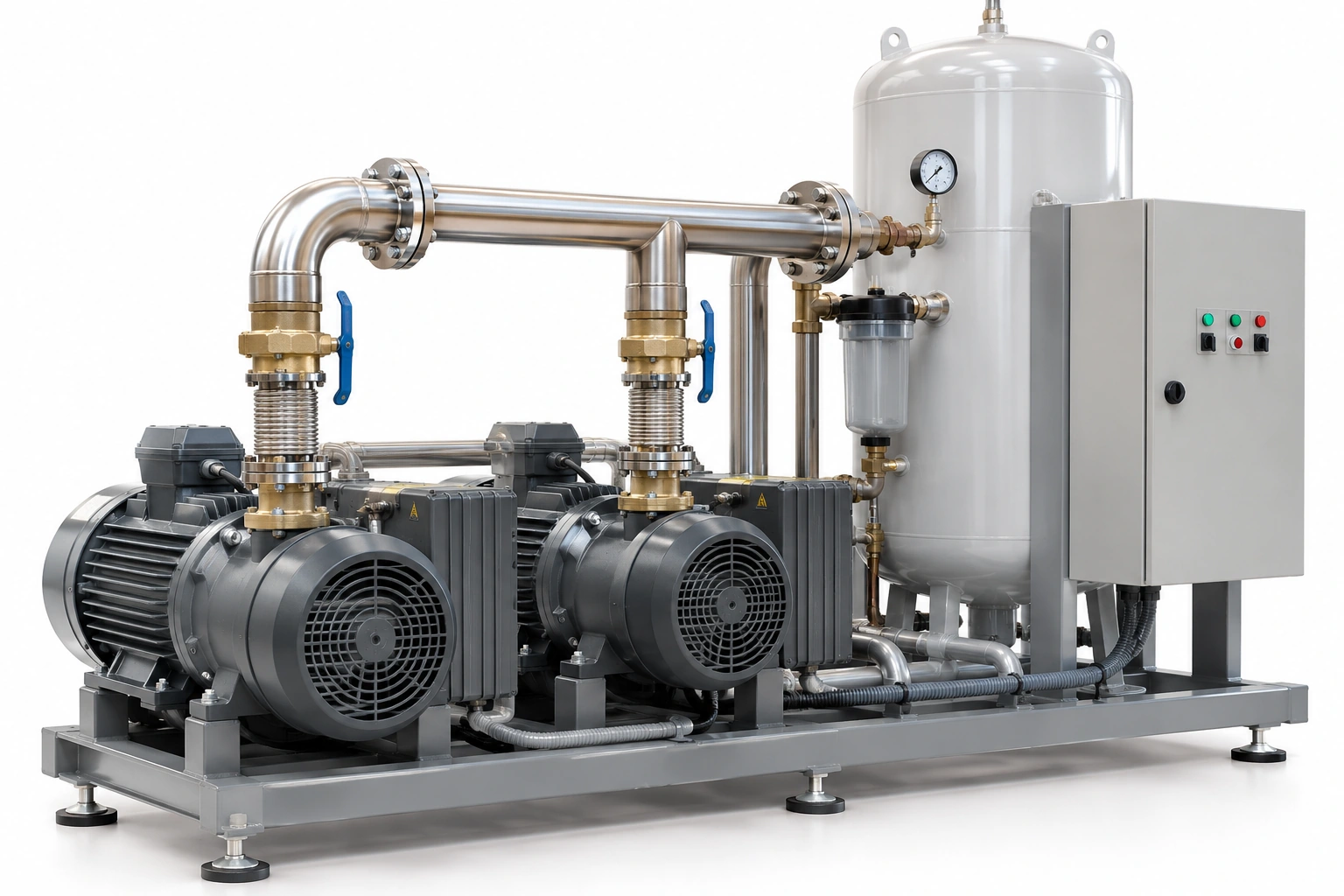
A hospital vacuum plant can look impressive in a sales photo yet be incapable of supporting the agreed simultaneous clinical duty. Pump motor rating, receiver volume and the number of units are not interchangeable measures of useful suction at the hospital's points of use.
A vacuum-source capacity schedule should connect approved clinical demand and engineering losses to supported equipment performance. This is a procurement/design review worksheet, not a universal numerical sizing formula.
Start from the approved service map
ISO 7396-1:2016 covers medical vacuum pipeline source equipment, distribution and commissioning. The installed source is distinct from ISO 10079-3:2022 patient-side suction devices. Obtain room schedules, outlet counts, expected equipment types, hospital expansion plan and the design authority's load assumptions.
Do not simply multiply every vacuum terminal by the maximum rating of a suction regulator. Clinical simultaneity and system design assumptions are project decisions requiring documented justification.
The capacity and diversity register
| Variable | Hospital-specific input | Evidence to request |
|---|---|---|
| Served clinical areas | Exact departments, beds and outlet locations | Plans and clinical schedules |
| Demand basis | Adopted diversity and simultaneous-use assumptions | Approved design calculations |
| Peak operating case | Demand envelope at the required network locations | Network model |
| Pump performance | Performance at the stated vacuum, not free-air alone | Manufacturer curves |
| Normal duty | Which modules serve the intended operating state? | Source P&ID |
| Degraded duty | What remains available with a unit unavailable? | Resilience design |
| Filtration and piping | Losses and service conditions included in the design | System calculations |
| Future changes | Documented later phases and approved reserve capacity | Expansion brief |
| Acceptance | Actual required verified duties and witness points | Site test specification |
An apparently ample pump displacement at ambient inlet cannot be assumed to equal its throughput when inlet vacuum increases.
Compare pump curves on equal conditions
Different vendors may quote displacement, useful capacity or maximum vacuum under different tests. Request a curve showing delivered flow over the relevant vacuum envelope, with ambient assumptions and model configurations stated. Include actual losses through the approved arrangement rather than ranking nameplate horsepower.
The target vacuum and duty are determined by applicable MGPS requirements and hospital design. Do not borrow alarm or suction values from an unrelated building.
Understand standby as an architecture
Multiple pumps do not necessarily create a meaningful reserve. Check whether the source design provides acceptable duty when the relevant unit is removed from service, including the electrical supply, plant controls, check/isolation provisions, alarms and practical maintenance access.
A control scheme may stage units for demand; that operational sequencing is separate from proving required reliability. The manufacturer's detailed sequence and site acceptance matter more than a picture of motors side by side.
Example: a low bid without a demand basis
Supplier A bids a large nominal-capacity pump with only a no-load performance figure. Supplier B provides smaller rated machines but includes approved duty at the project's critical conditions and a documented degraded-state review. The proposals cannot be called equivalent from motor power or equipment count.
Return the duty schedule to both suppliers and request capacity evidence using the same test points. An engineer should decide compliance before procurement ranks price.
Coordinate distribution and clinical interfaces
The plant may be adequate at its source test connection but still fall short at a distant clinical area because piping layout, installed valves, filters or other components create different losses. Source selection and network verification must be coordinated.
If a new ward is added, revisit peak-duty distribution as well as plant capacity and alarms. Do not infer adequate reserve from the fact that existing wards are functioning.
Acceptance and handover
The 2026 NHS England HTM 02-01 and NHS Scotland SHTM 02-01 describe the relevant engineering and operational management framework; the Scottish edition provides separate medical vacuum plant verification evidence. Site testing must be controlled by qualified personnel and must not disrupt clinical suction.
Collect design assumptions, duty curves, installed equipment IDs, as-built P&ID, area/central monitoring points, test records, open defects and authorized operating acceptance.
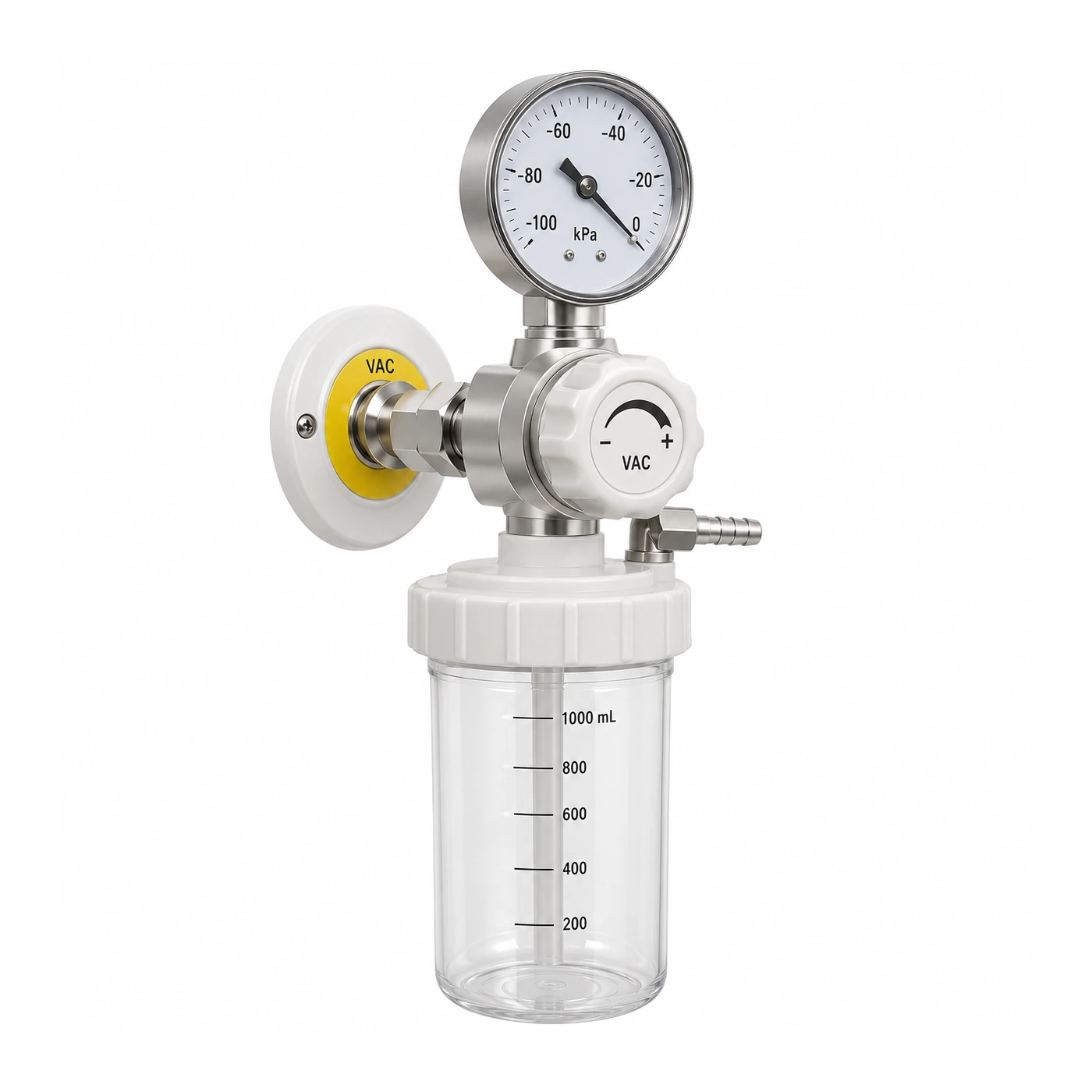
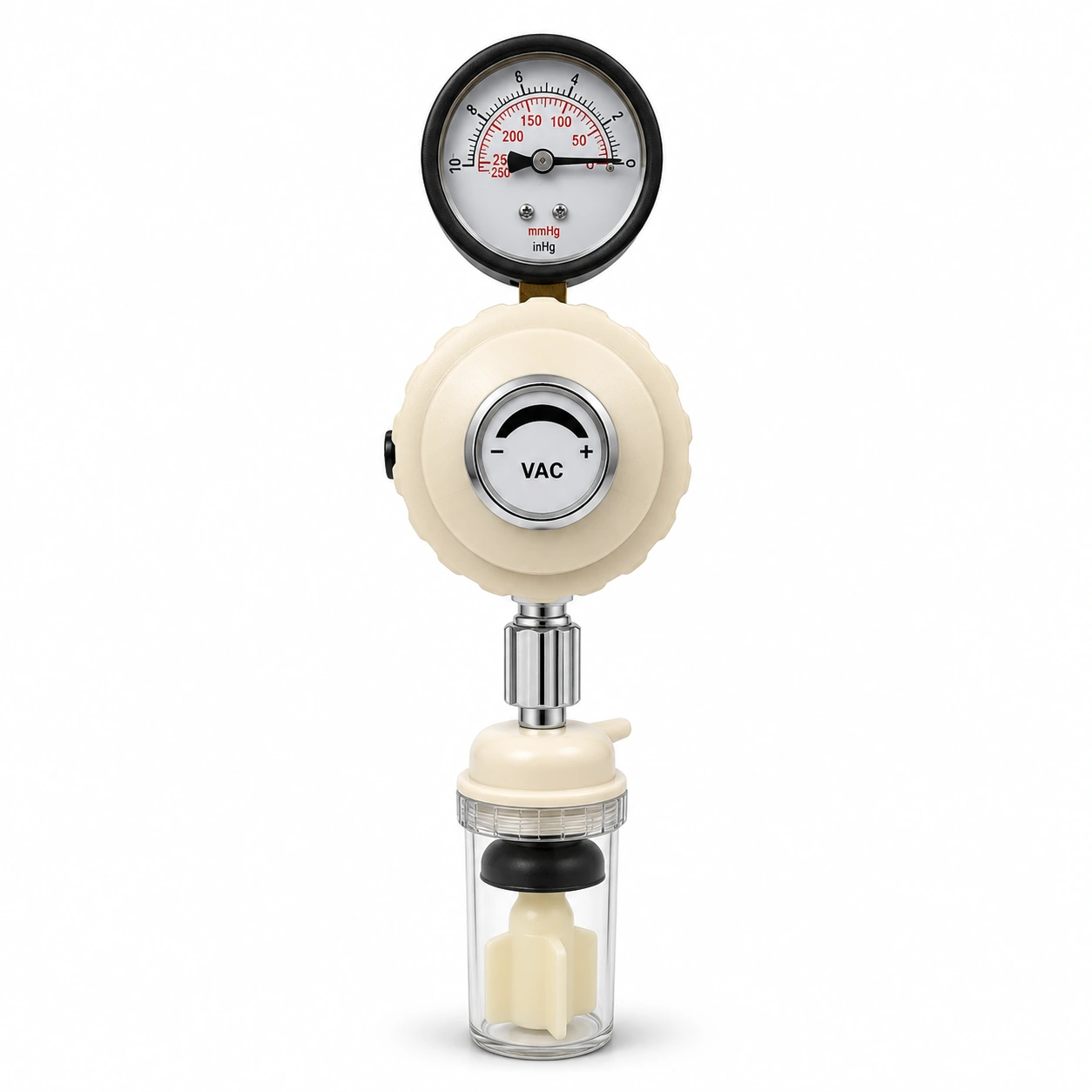
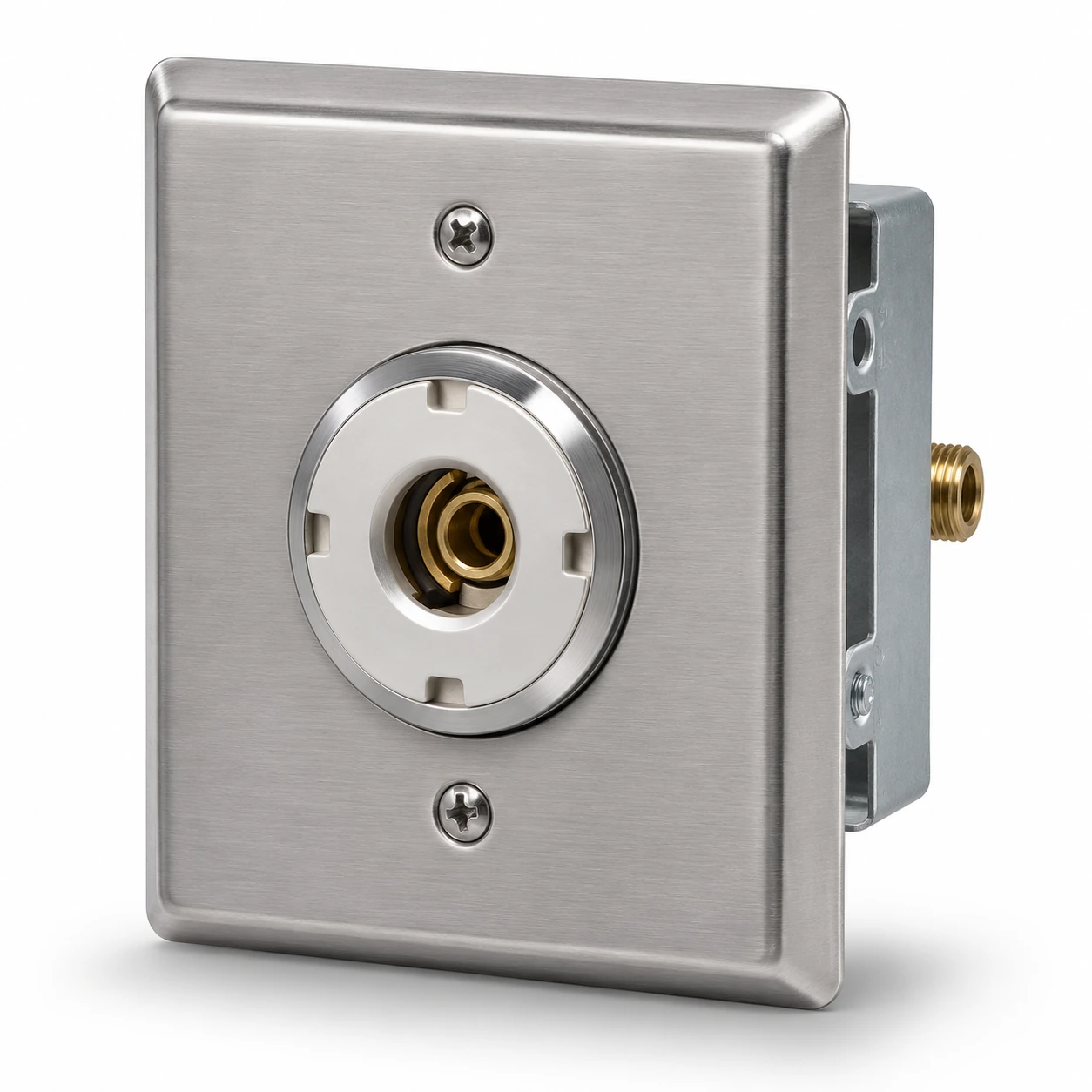
BWC Medgas supplies selected medical vacuum regulators, suction accessories and gauges and zone valve assemblies, rather than complete vacuum generation plants. A clear source schedule helps keep component duties correct.
Send your approved vacuum accessory or zone component schedule to BWC Medgas.
Frequently asked questions
Is a larger motor sufficient evidence of better medical vacuum system performance?
No. Useful suction capacity must be compared under the same specified conditions.
Does two pumps automatically mean the system has a standby capability?
No. The whole power, controls, piping and verified operating arrangement determine resilience.