

Medical gas projects often fail at handoffs rather than at a single component. The design engineer may expect the installer to verify an outlet connection; the installer may assume the supplier has verified the mating terminal; and the purchaser may treat an equipment invoice as acceptance.
A responsibility matrix with approval hold points makes these expectations explicit before a project reaches the ward. This guide is a project-management framework, not a replacement for legally defined competent-person roles or the local medical gas permit-to-work system.
Begin with named functions, not job titles
The actual titles vary by jurisdiction and healthcare operator. Identify the person or organization fulfilling each function:
- Clinical service owner: validates intended use, service needs and the impact of outages.
- Healthcare facility/estates authority: owns operational policies, access and continuity planning.
- MGPS design authority: establishes approved calculations, system architecture and technical specifications.
- Project manager: controls scope, schedule, interface issues and document revisions.
- Equipment/component supplier: supplies the defined products and product-specific documents.
- MGPS installer: installs and records work within the assigned scope.
- Commissioning/verification authority: carries out or witnesses required tests and provides acceptance evidence under the applicable regime.
- Operating team: accepts as-installed information and assumes ongoing management after authorization.
Where NHS guidance defines Authorized Person, Authorizing Engineer or other formal roles, use the actual current definition and appointment structure. Do not casually rename people to those roles without the required appointment and competence.
A simple RACI example
RACI means Responsible (does the work), Accountable (owns the decision), Consulted and Informed. The project should agree a single accountable owner for each critical decision.
For the clinical gas-services schedule, the engineer may prepare the document, while the authorized clinical owner confirms requirements and the project lead tracks approvals.
For source and distribution design, the appointed design authority owns the technical decision; suppliers provide data but do not silently inherit system-design responsibility.
For isolation of a live zone, the healthcare operator’s designated competent or authorized people apply the site’s permit, clinical communication and contingency rules. A contractor cannot treat an ordinary construction work ticket as equivalent.
For acceptance, the planned testing/verification parties complete the required work; the facility determines when the installation may enter service.
These are illustrative allocations; a local contract and governing guidance may require a different formal arrangement.
Establish hold points before purchase and construction
A hold point is a decision that cannot be silently bypassed. Consider at least:
- Clinical brief freeze: services and room schedule accepted by the clinical owner.
- Concept design review: source, zone architecture, service distribution and risk issues assessed.
- Procurement release: exact equipment class, interface and inclusion/exclusion scope agreed.
- Before concealed work: inspection/test evidence required for first-fix work has been planned and accepted.
- Before connection to existing systems: scope, permits, outage contingencies and test strategy approved.
- Before use: verification, gas identification, alarms, operating documents and handover accepted by the designated site authority.
A hold point should identify the required document, the approver and the condition for release. It should not be a decorative checkbox.
Track decisions made outside meetings
A changed clinical requirement can affect piping capacity, outlets, zone valves and alarms at once. Record the change request, affected documents, engineering and clinical review, procurement impact and approval result. The purchase order should carry the approved revision; an email that says “use the newest drawing” is not reliable change control.
For a supplier substitution, ask the design authority to assess technical equivalence, mating interfaces and any effect on the acceptance plan. “Equivalent to the photograph” is not a sufficient decision record.
Distinguish product conformity from system acceptance
A product certificate or factory test document cannot prove that the installed network has correct gas identity, correct zone isolation or satisfactory performance. Equally, a successful site test does not make every model interchangeable.
The product, design, installation and clinical-operational acceptance records answer different questions. Make sure none is silently substituted for another.
Create one-page approval evidence for the project file
For each hold point capture:
- Decision ID, date and responsible organization.
- Required input files and revisions.
- Review findings, open conditions and corrective actions.
- Authorized decision maker and approval status.
- Evidence attached and the next permitted project activity.
This makes disputes easier to resolve and improves the quality of the eventual operations handover.
How suppliers contribute
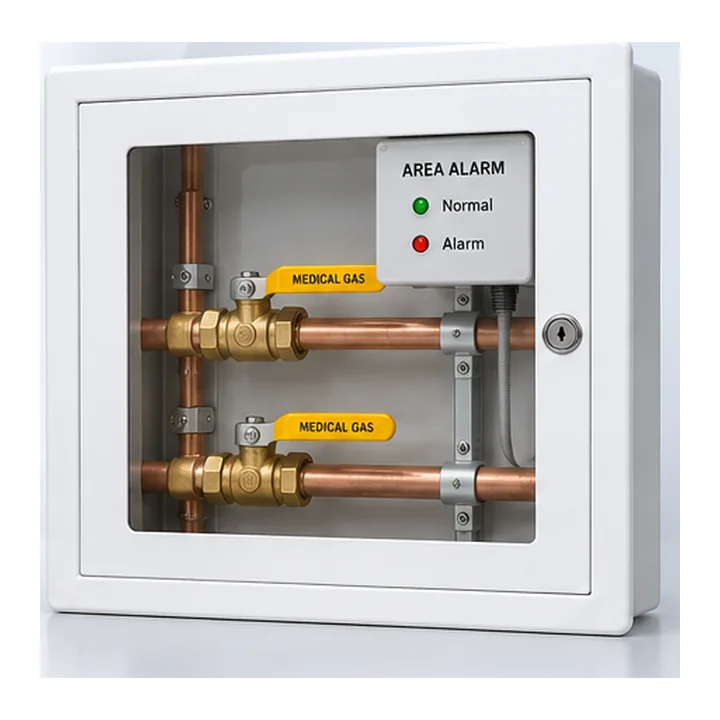
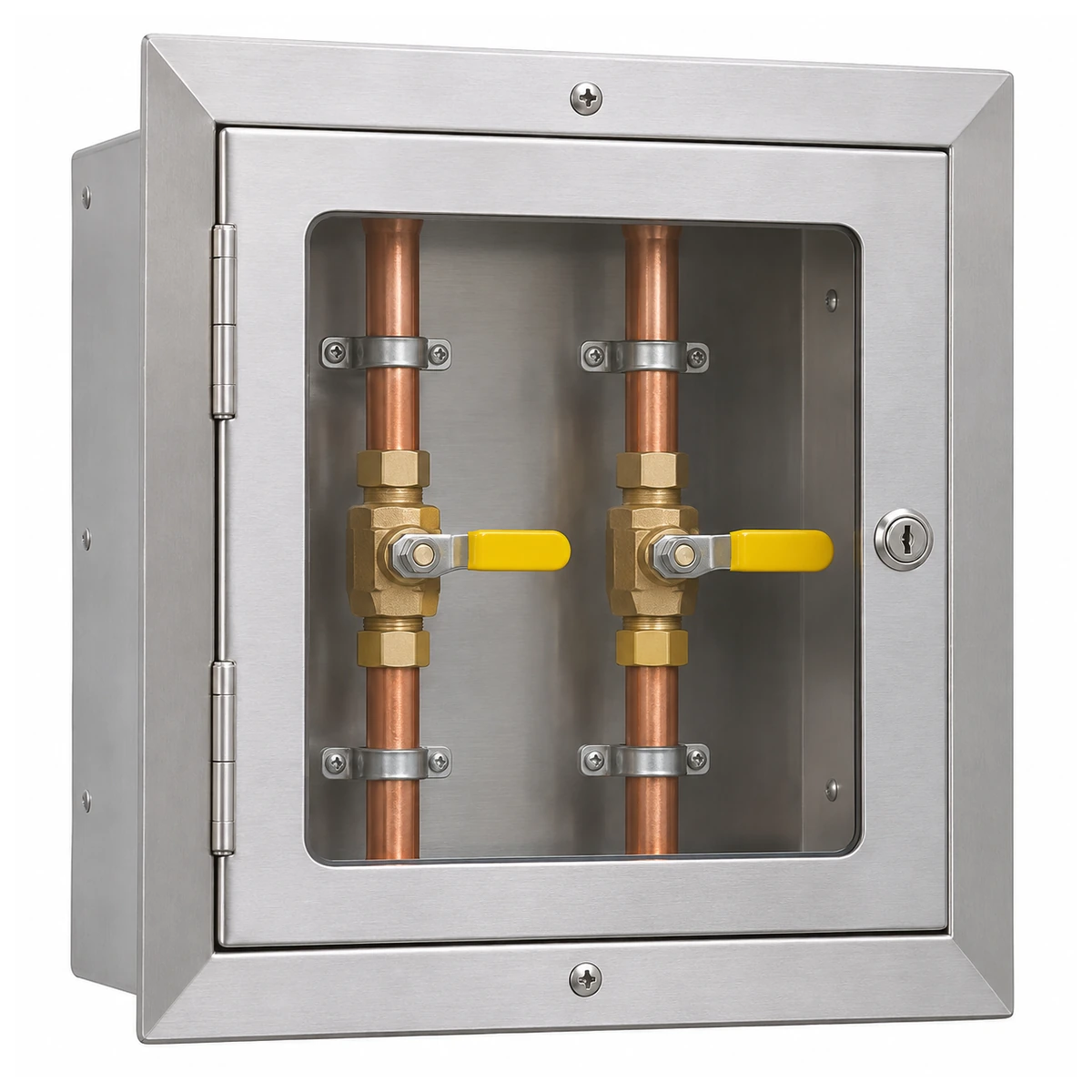
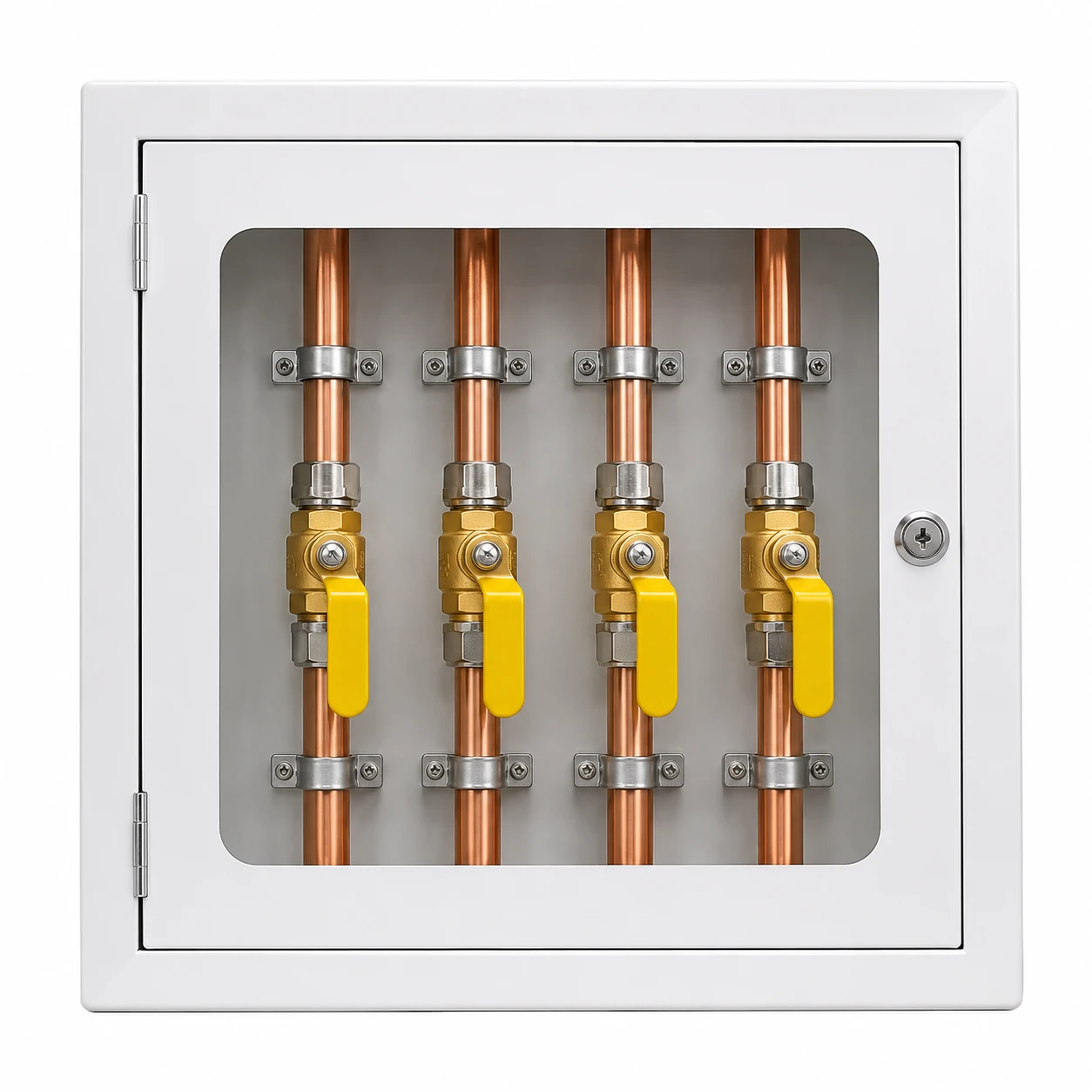
BWC Medgas can provide information for supplied medical gas terminal units, zone valve boxes, alarm panels and related components. The customer’s appointed project team remains responsible for approved system design and site acceptance.
Submit your component scope and approved interface schedule to BWC Medgas.
Frequently asked questions
Can a factory certificate be the project completion certificate?
No. They refer to different types of evidence and responsibilities.
Who authorizes a live-hospital MGPS shutdown?
That is governed by the healthcare facility’s approved MGPS management, appointment and permit procedures, not by a generic procurement guide.