
A risk register for a medical gas project should explain what might go wrong, who would be affected and how the team knows the issue is controlled. A list of generic hazards with identical “medium risk” ratings adds little value to a hospital design review.
Build the register while clinical requirements and architectural plans are still changing. It will support decisions about source arrangements, piping, isolation boundaries, equipment connections, alarms and acceptance evidence.
Define the risk statement with cause and consequence
A strong entry describes the causal chain. Compare these two versions:
- Weak: “Medical gas connections — high risk.”
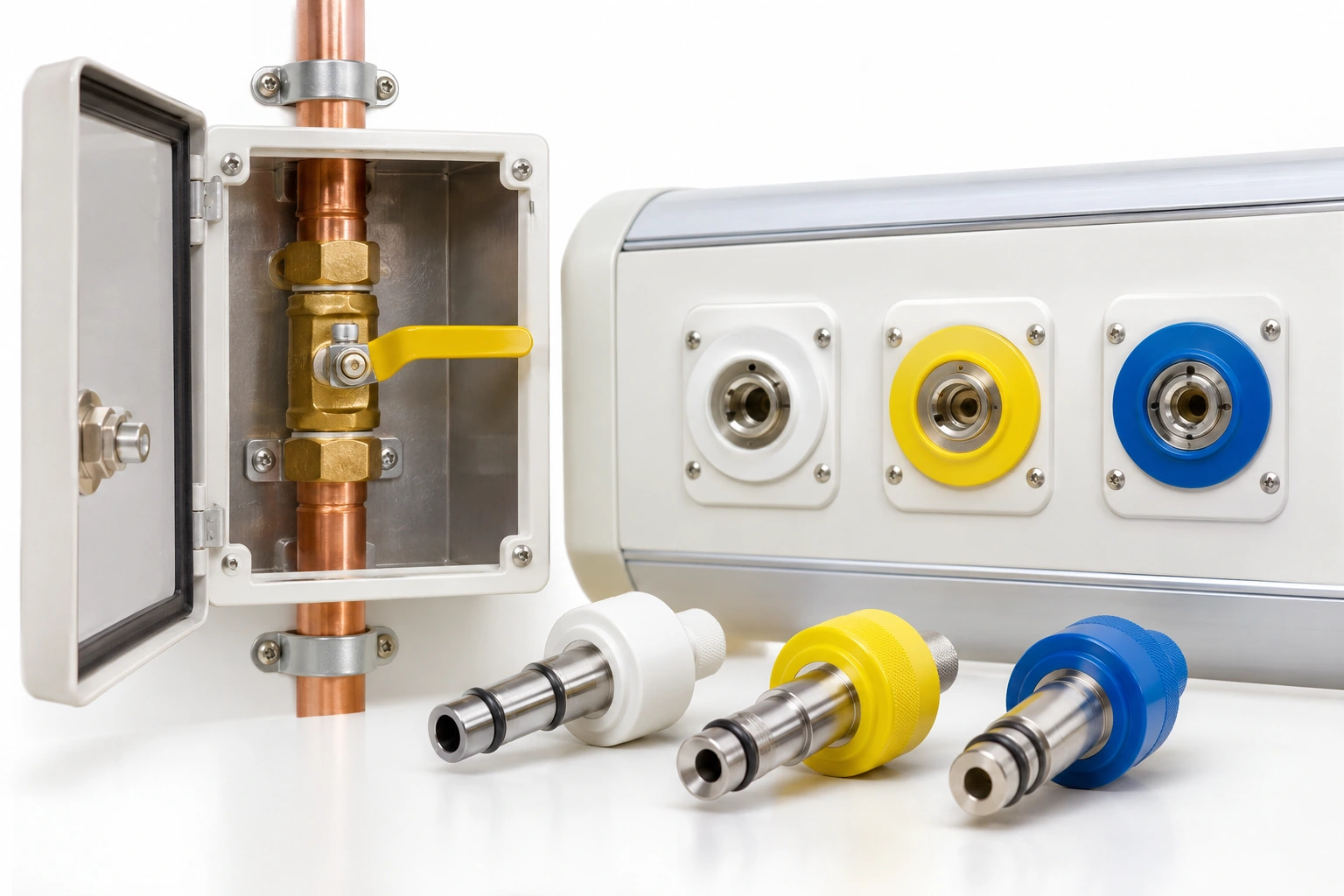
- Useful: “If the replacement bedhead terminal uses a different mating probe interface from the retained clinical equipment, staff may be unable to connect the intended device when the area enters service.”
The second statement identifies a decision to make and evidence to request. It also distinguishes a clinical usability hazard from a simple purchasing error.
Categories that belong in the early review
Consider risks involving:
- Inadequate or changing clinical room demand assumptions.
- Incorrect or ambiguous gas-specific connection families.
- Single points of failure and dependence on shared source/control components.
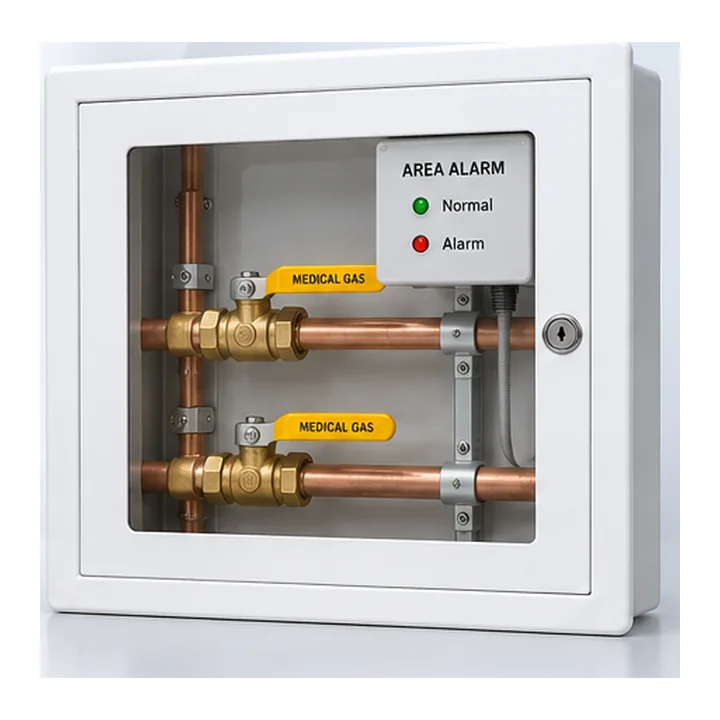
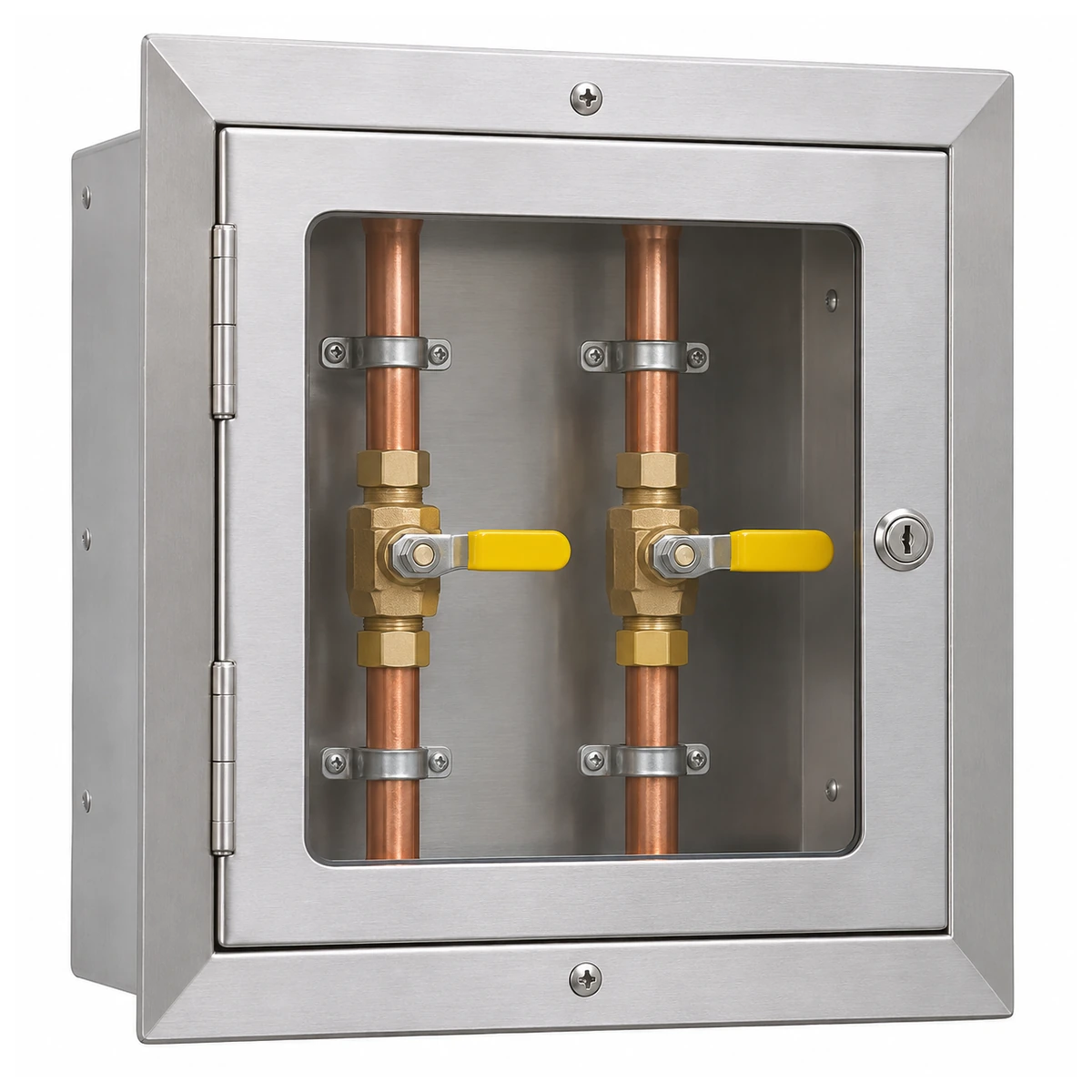
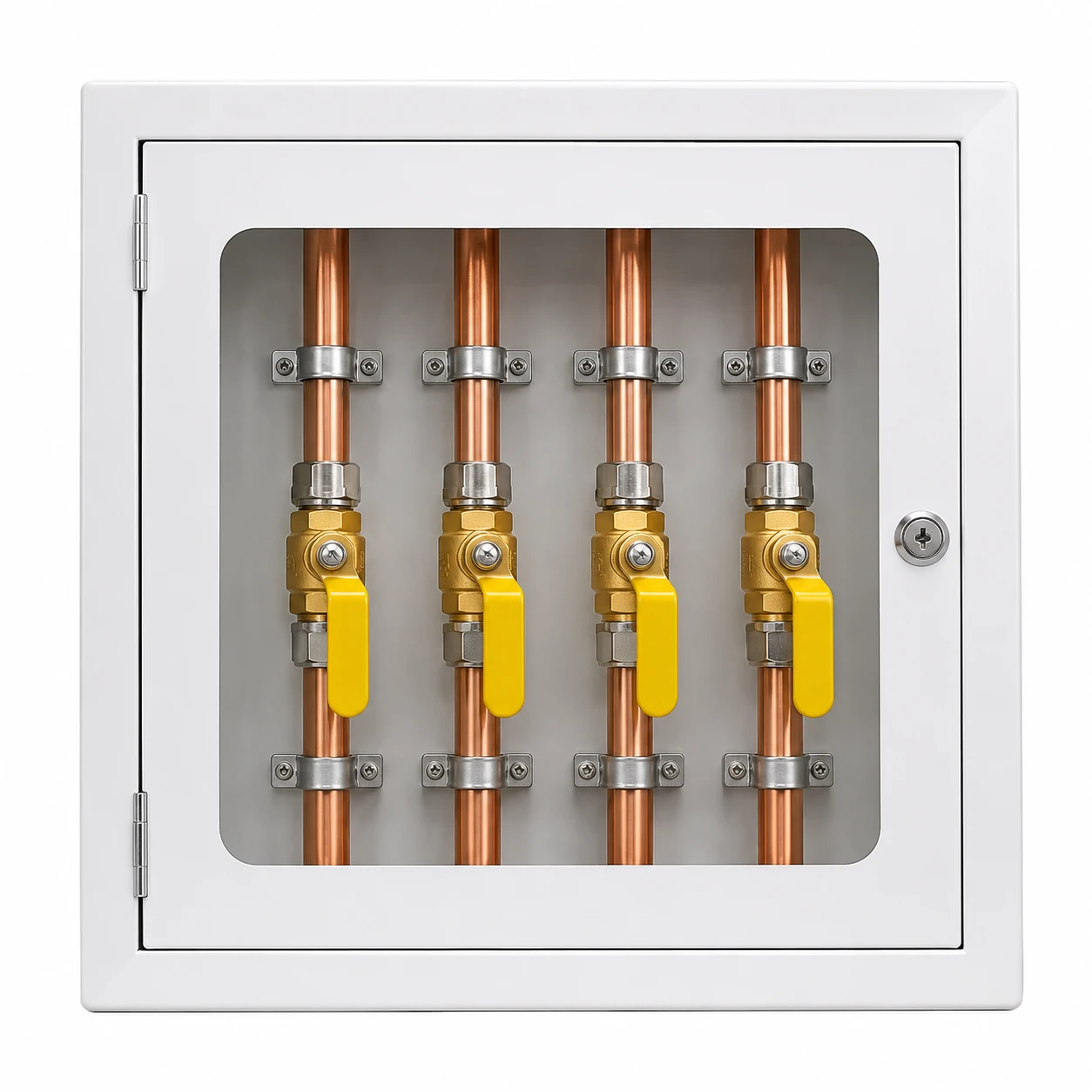
- Zone boundaries that could cause unintended clinical interruption.
- Insufficient physical access to valves, risers, alarm panels or inspection points.
- Conflicts between new components and retained legacy installations.
- Missing source/terminal/alarms test boundaries or evidence.
- Changes made after approved drawings and quantities are issued.
- Unclear responsibility for product data, installation and final verification.
- Local code adoption, licensing or approval assumptions not confirmed at project start.
The applicable MGPS and healthcare safety rules determine which risks need formal analysis; this list is a practical starting point.
Use fields that support decisions
Each entry should have a unique identifier, relevant service and location, risk scenario, clinical or operational consequence, existing protection, assumption or uncertainty, responsible owner, action, due date, evidence reference and status.
A qualitative likelihood/consequence assessment can assist prioritization, but numerical scores have no meaning without a defined project method. Do not treat a multiplication of arbitrary scores as proof of patient safety.
Prefer documenting the required design decision. For instance, “verify existing terminal/probe model by controlled survey before purchase” is actionable. “Review connections” is not.
Worked example: isolation-zone conflict
A proposed new ward shares an existing service valve zone with an adjacent operating area. The risk is that future maintenance or an outage could affect clinical functions outside the planned project boundary.
The review should assign the design authority and clinical/operational owner to evaluate the zoning and approve the resulting arrangement. Evidence might include a revised zone plan, affected-room register and documented operational consultation.
The risk cannot be closed merely because the valve box appears in the supplier’s quotation.
Worked example: delivery package ambiguity
A bill of materials includes “three-gas terminal panel” without describing the individual gas-specific interfaces. The supplier may correctly price a panel but the hospital expects a different connection family.
Mitigation is to provide the approved interface schedule, exact product specification, mating component references and acceptance documentation. Close the risk only when the procurement and design records refer to the same revision.
Review at real project milestones
Conduct risk reviews at clinical brief approval, schematic design, final coordination before procurement, before work affecting an existing live system, before clinical acceptance and after significant changes.
At each milestone:
- Close risks only against referenced evidence.
- Reassess risks affected by changed services, locations or contractors.
- Escalate unresolved clinical consequences to the designated facility authority.
- Confirm that all procurement changes are reflected in drawings and schedules.
- Preserve the risk register version in the project file.
Do not confuse a checklist with the governing safety process
The register is a tool for coordination; it does not authorize isolation work, testing on live patient services or return to clinical use. Such actions are governed by designated competent persons and site-specific permits.
BWC Medgas reference
When the risk concerns an equipment interface, BWC Medgas can provide component information for terminal units, zone valves, regulators or alarm panels based on a defined model and configuration. Design and operational risk ownership remains with the project.
Send a component specification for review by BWC Medgas.
Frequently asked questions
Is every risk closed when equipment has arrived?
No. The delivery may address product conformity but not installed-system integration, testing or clinical-operation risks.
Who owns the medical gas project risk register?
The project must assign that responsibility; it should include engineering and clinical/operational input appropriate to the healthcare facility.