
A medical gas project does not end when the last section of pipe is installed. The completed system must be dealt with through an engineering process that includes the requirements of design, installation, validation, verification, commissioning and documentation.
These words appear together in official MGPS documents, but they are not interchangeable. For buyers and project coordinators, the most useful starting point is understanding how the work packages and evidence relate to one another—not attempting to perform technical tests from a web article.
What do the official sources establish?
NHS England published a new HTM 02-01 medical gas pipeline systems package on 19 August 2026. Part A is titled Design, installation, validation and verification. Part B addresses Operational management. The NHS page also provides example B-forms associated with Part A.
ISO 7396-1:2016 covers design, installation, function, performance, testing, commissioning and documentation of medical gas and vacuum pipeline systems within its stated scope.
The titles and official summaries show why a hospital project requires both engineering work and traceable evidence. They do not by themselves provide numerical acceptance criteria or permit a contractor to replace the full standards with a simple checklist.
Design information comes before component procurement
A hospital's approved project drawings should establish relevant gas or vacuum services, interface schedules and equipment arrangements. Different services require different terminal connections, control devices, and system considerations.
A buyer can support this stage by making the component schedule unambiguous: item identifiers, gas services, specified connection families, relevant material standards and drawing revision.
Confusing the procurement schedule with a completed design verification record is a common documentation mistake. A supplier's catalogue can describe a product; it does not verify an installed hospital system.
Installation records and product documents serve different purposes
A technical product sheet can identify dimensions, materials, connector types and manufacturer-specific features. Project records, by contrast, document what was actually installed and what was checked.
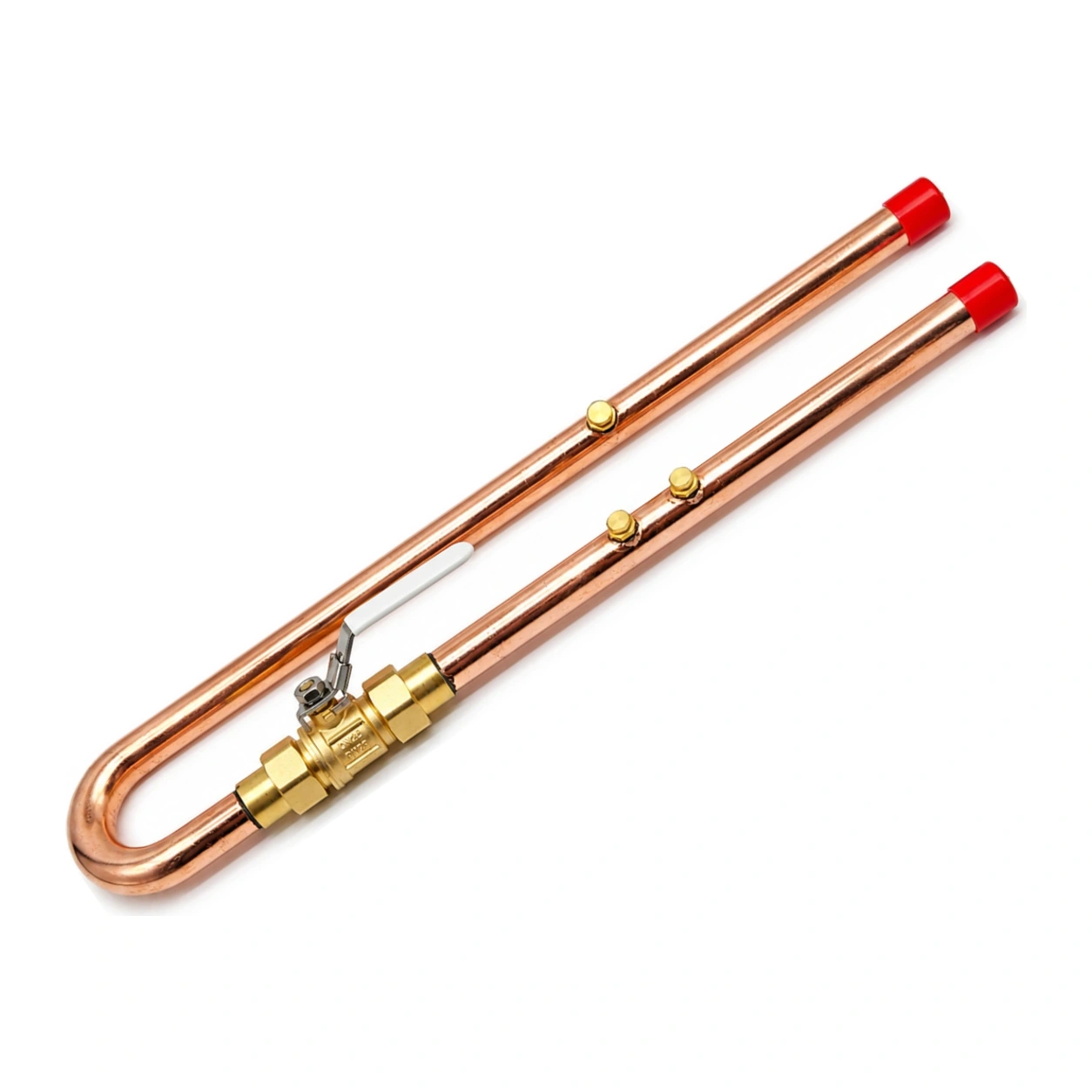
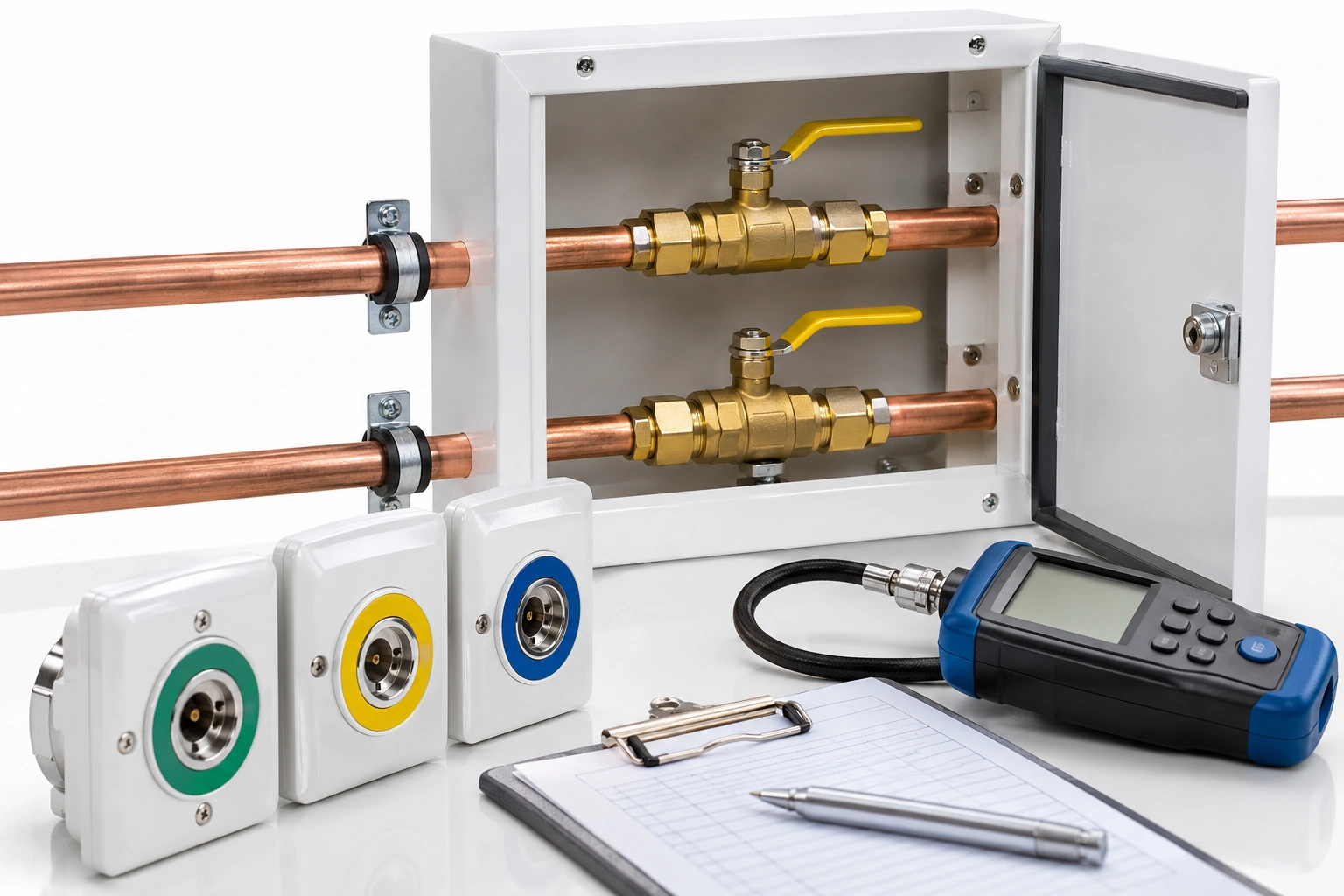
When the specified system includes isolation valves, alarm panels, terminal units and medical copper pipework, their technical documents should be traceable to the particular items supplied. The actual installation record is maintained through the project's defined responsibilities.
A generic declaration that all products in a catalogue are compliant is not a substitute for the exact project or model-specific evidence required by the procurement documents.
Why distinguish validation, verification and commissioning?
They are separately identified in HTM 02-01 Part A and in the project lifecycle described by ISO 7396-1. The project's professional team should apply the actual defined requirements from the adopted edition and approved procedures.
For a sourcing team, the practical benefit is to avoid treating different deliverables as a single vague item called "testing". The contractor can instead specify which documents are to be supplied with equipment, which records are generated by installers, and who is responsible for completing the required final checks.
This article does not supply a test sequence, pressure value, purge procedure or authorisation to work on an operating medical gas system.
Handover leads into operational management
Operational documentation should identify which parts of the project become the responsibility of the facility's operating team. NHS HTM 02-01 separates operational management into Part B rather than treating it as an afterthought to design and installation.
This separation matters when a hospital replacement project involves both existing service areas and new equipment. The procurement team needs to know which documents should follow the equipment and which responsibilities remain with the competent technical organisation.
BWC Medgas component documentation and purchasing
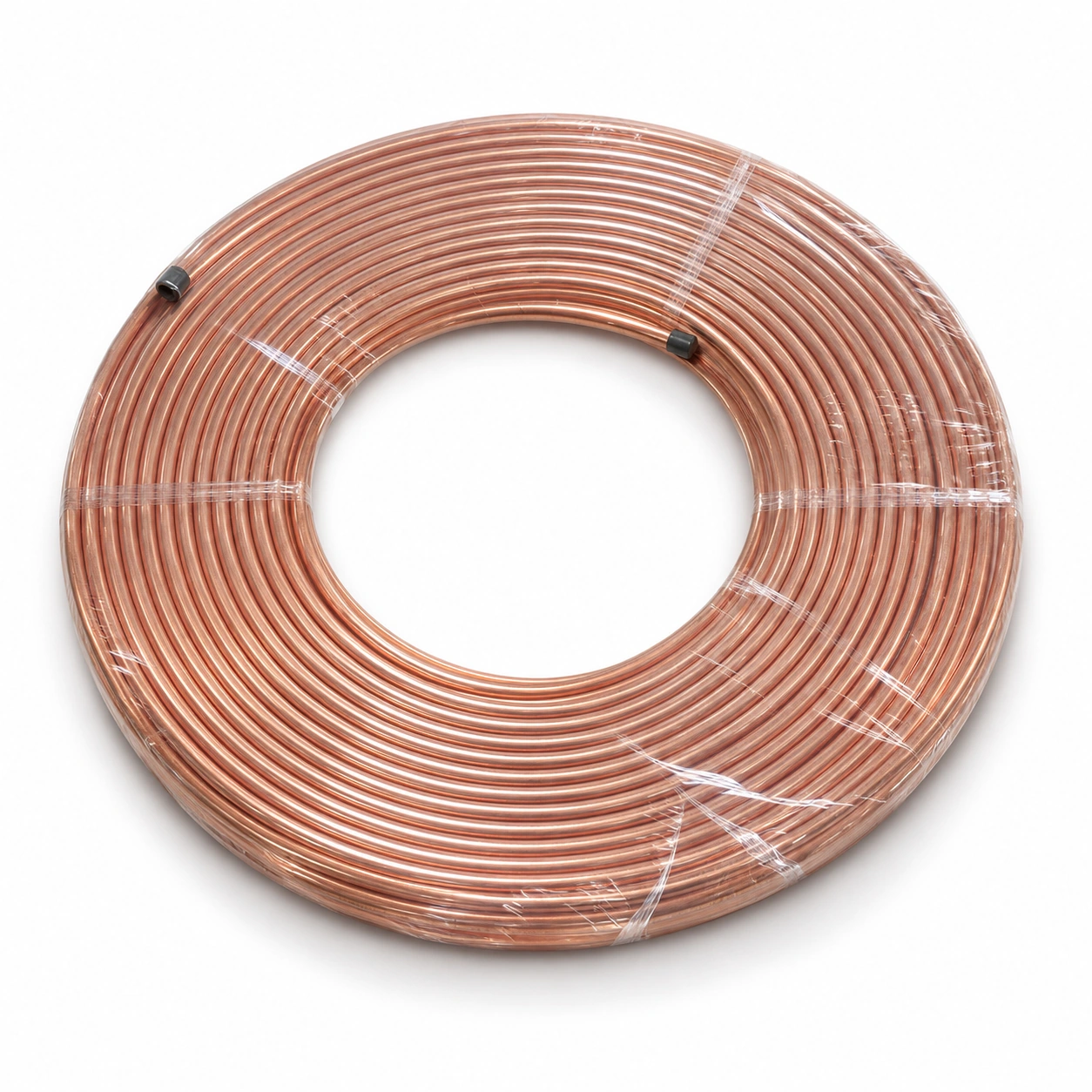
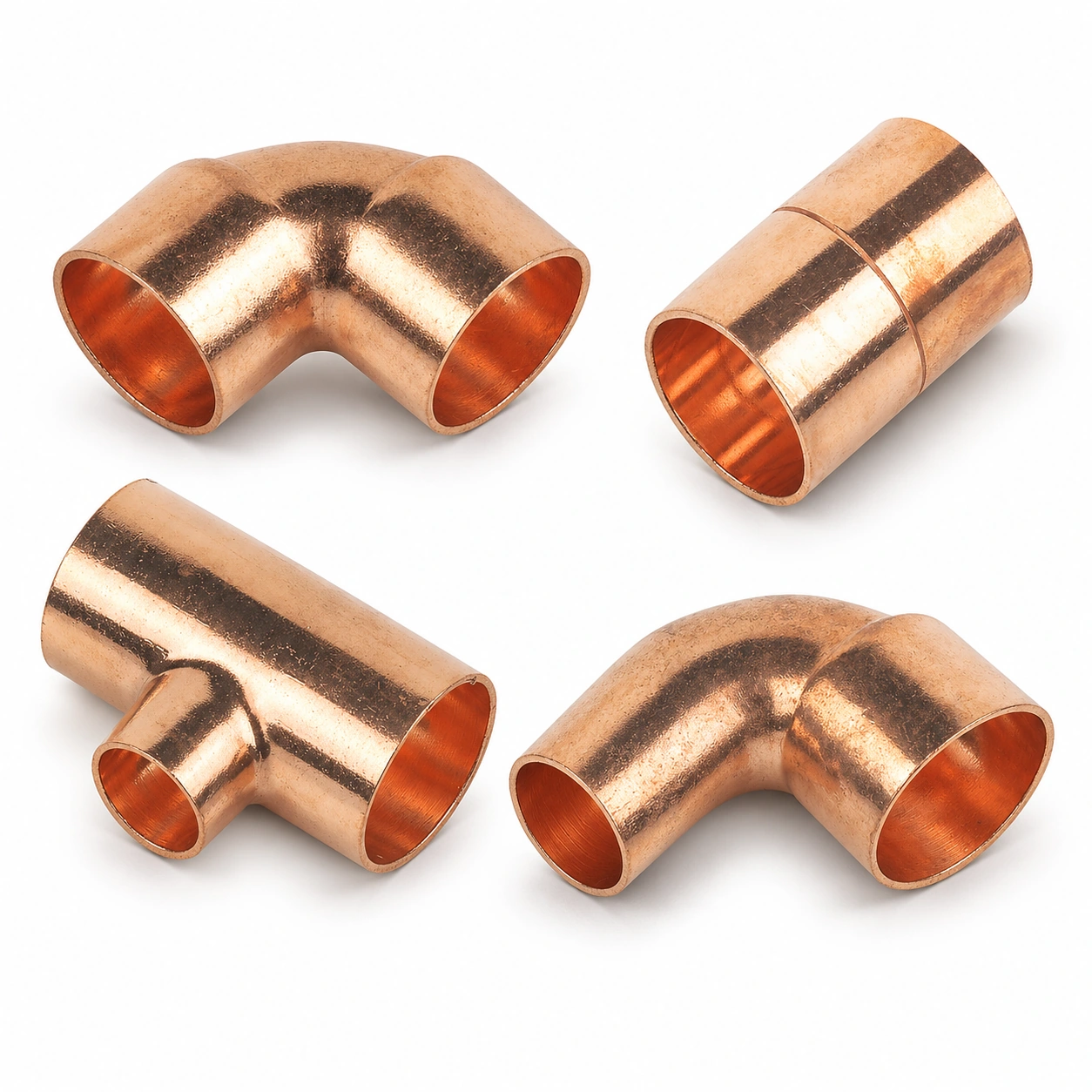
BWC Medgas supplies medical copper tubes and fittings, gas outlets, valve and isolation products and monitoring-related panels.
To obtain a comparable component offer, provide the exact item list, applicable technical drawings, desired connection formats and document requirements. Send your MGPS component schedule through BWC's project enquiry form.
Questions worth clarifying before an RFQ
Can the supplier's product sheet count as hospital commissioning?
No. Product documentation and installed-system commissioning are different kinds of evidence.
Does this article provide a commissioning checklist?
It explains categories of work. The prescribed procedures and acceptance criteria must be taken from the full applicable technical documents and carried out by competent personnel.