
Adding medical gas terminals to a new room, replacing a ward zone valve box or upgrading an oxygen source can look like a straightforward component purchase. Yet an operating hospital already has a defined pipeline network, monitored services, installed terminal families and procedures for managing clinical continuity.
ISO 7396-1:2016 expressly includes extensions and modifications of existing medical gas pipeline systems, as well as modifications or replacement of supply systems and sources. The project therefore requires an engineering and documentation scope in addition to a parts list.
What project changes are covered by the published ISO scope?
The ISO 7396-1:2016 summary identifies three relevant cases: extensions of existing pipeline distribution, modifications of existing distribution and modifications or replacement of supply systems or supply sources.
Those categories help purchasers understand what kind of project they are asking suppliers to support.
An extension may involve adding new outlets and associated distribution components. A modification may involve changes to an existing section or its equipment interfaces. A source replacement involves a different part of the overall gas supply system.
These examples are planning distinctions, not a guide to undertaking the physical work.
Why does an existing installation change equipment selection?
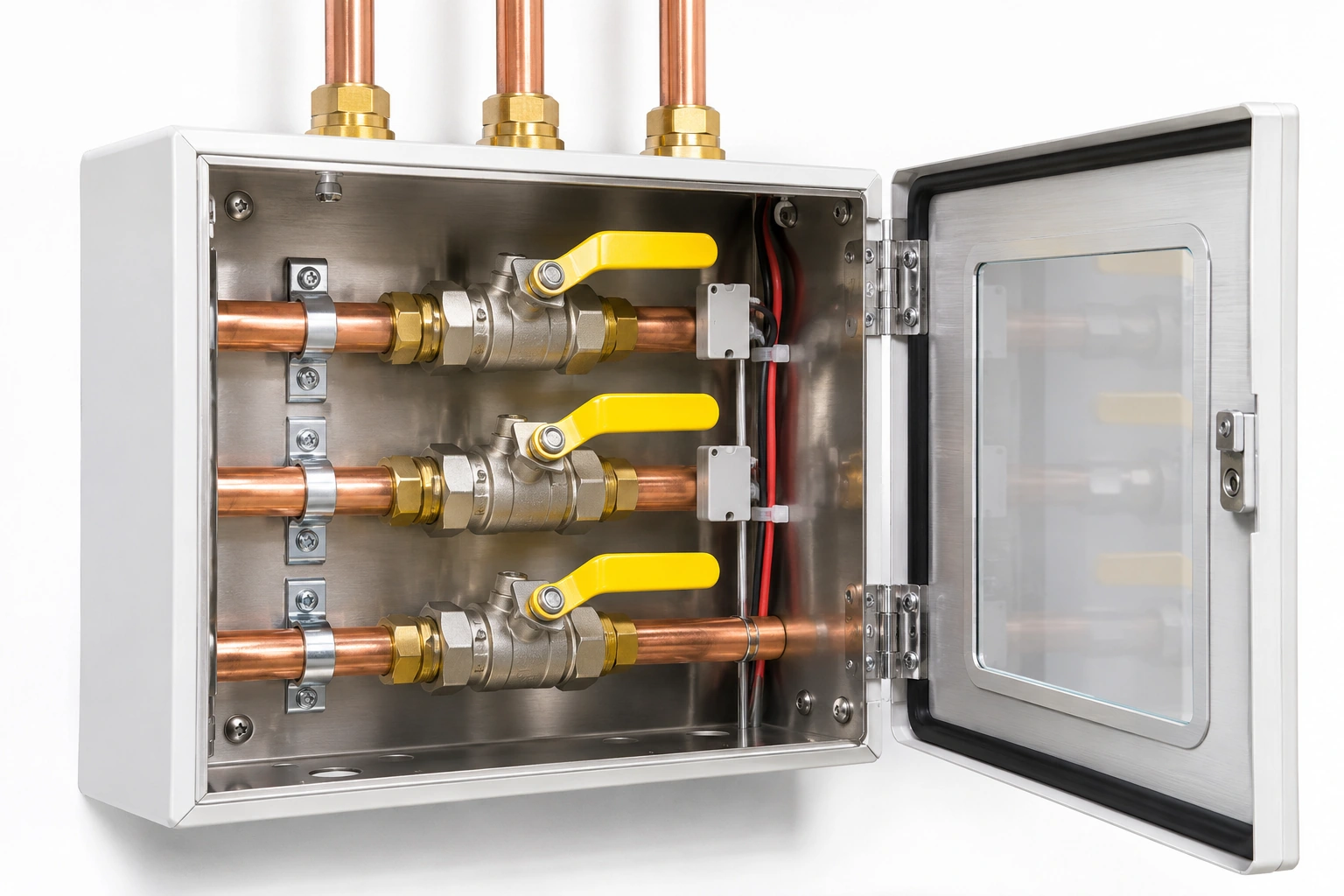
A new outlet must be specified for its intended medical gas and the approved terminal connection family. A replacement valve enclosure needs the correct number of services and physical pipe connections. An alarm change may depend on existing sensors or signal interfaces.
The fact that a BWC product is similar in size or appearance to an installed device does not prove compatibility. The purchaser should use the current installation records, manufacturer technical data and approved design documents.
For a refurbishment, the relevant question is often which portions remain in place and which components must be replaced.
What does the 2026 NHS guidance add?
NHS England HTM 02-01 (2026) provides Part A for design, installation, validation and verification and Part B for operational management. The official NHS publication also offers example B-forms as separate records.
NHS Scotland's SHTM 02-01 (2026) likewise publishes design/verification and operational-management documents in its own national context.
This separation is particularly relevant for existing hospitals: component procurement, installed-system technical verification and ongoing operation are different work packages.
A manufacturer can provide model-specific drawings and information, but the facility's authorised technical team remains responsible for live system decisions and handover requirements.
What should be in an extension or replacement request?
A practical project file identifies the existing service and approved drawing references, the desired change scope, and the precise new or replacement components.
For outlet extensions, give the gas-service schedule, connector family, mounting and rear inlet details. For valve replacements, identify valve sizes, gas assignments and enclosure configuration. For manifold/source-related items, describe the approved connection and monitoring boundary.
The bill of materials should also specify which technical records are to accompany the supplied products. Do not confuse those records with the installer-generated records required for the completed project.
Why are generic retrofit checklists insufficient?
A list that says “isolate, connect and test” is not a safe or complete method for modifying an operating medical gas system. Technical procedures, authorisations, testing criteria and service-continuity planning depend on the actual adopted standards and competent hospital personnel.
A public educational article should explain the documentation and purchasing decisions, not invite unqualified intervention in equipment supplying patients.
BWC Medgas for hospital renovation projects
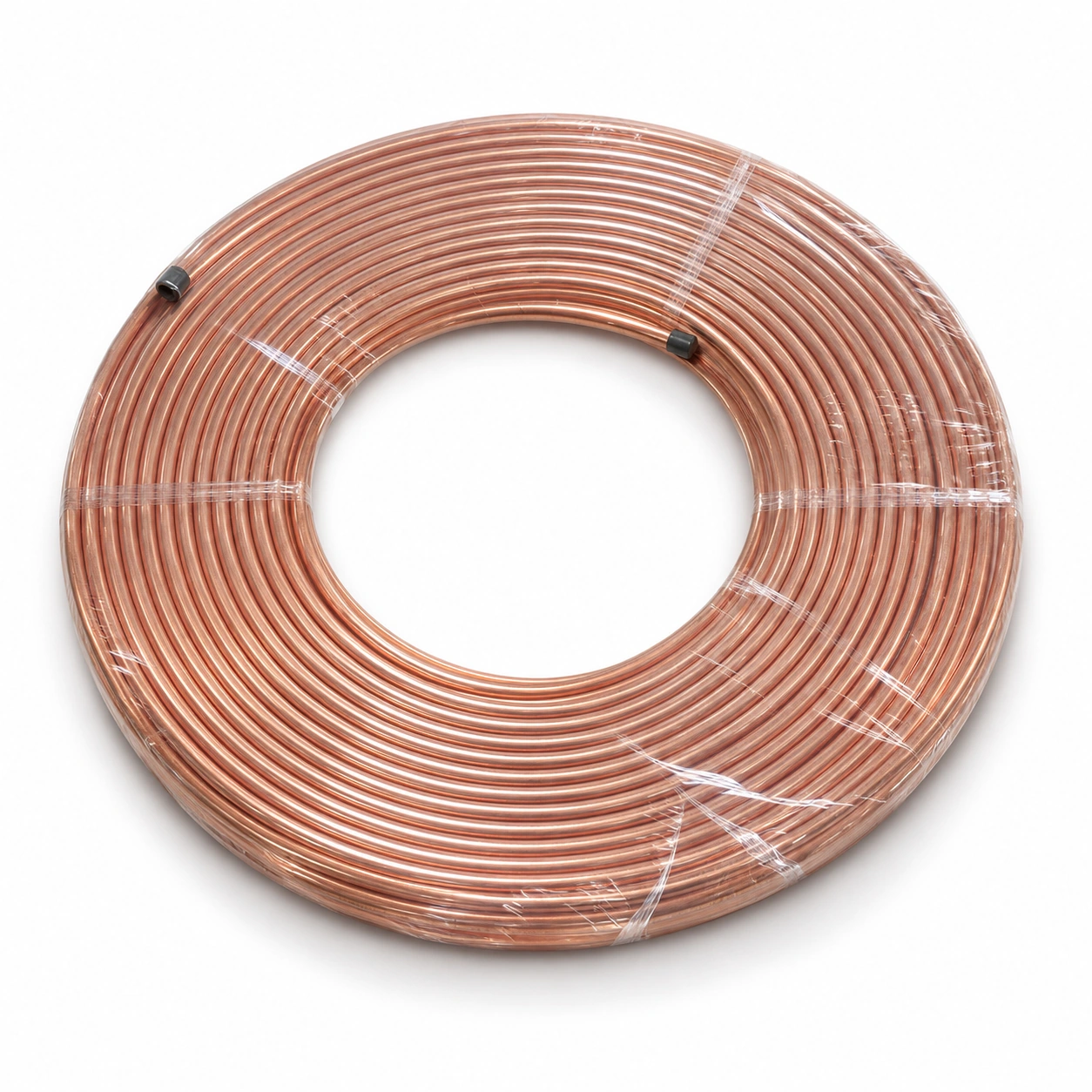
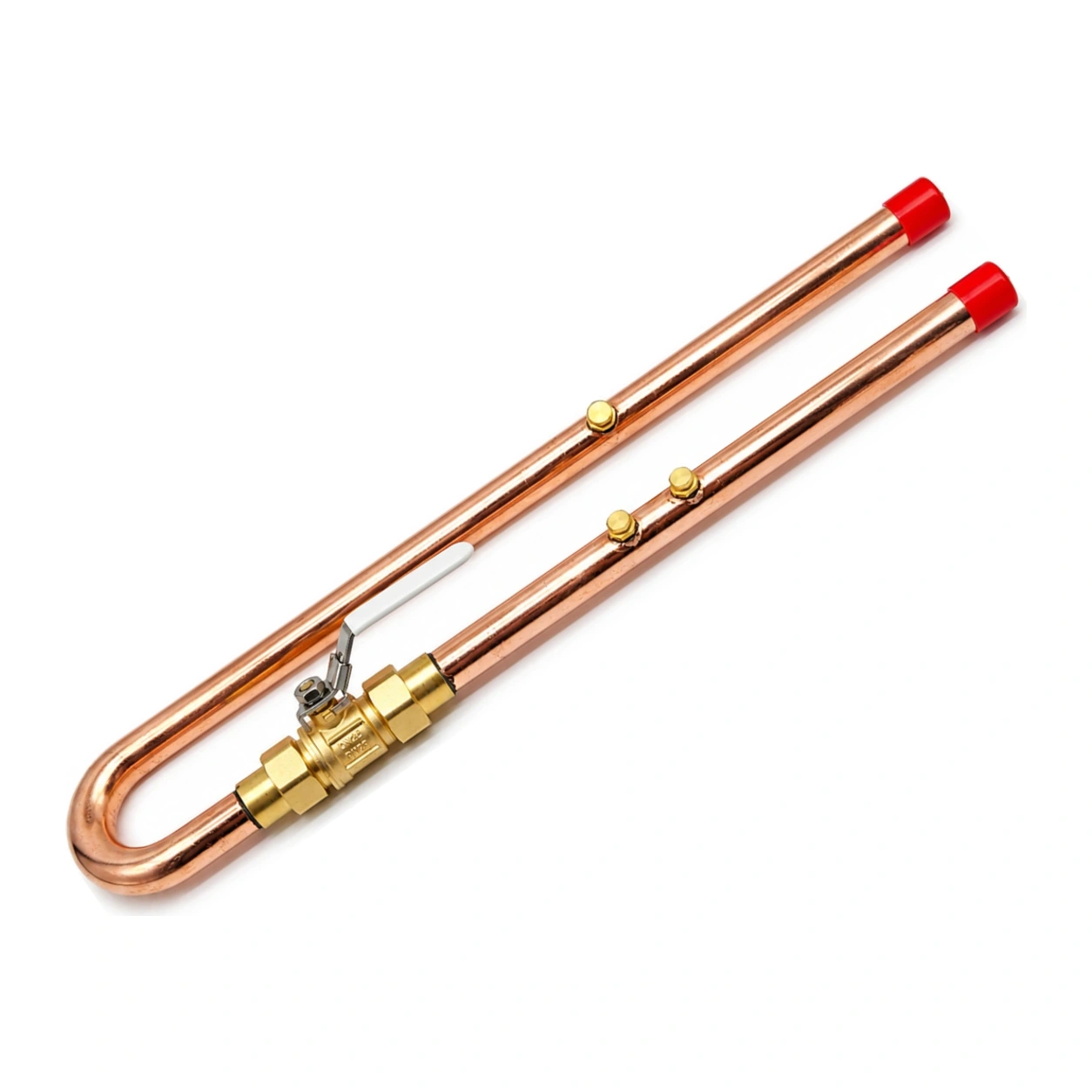
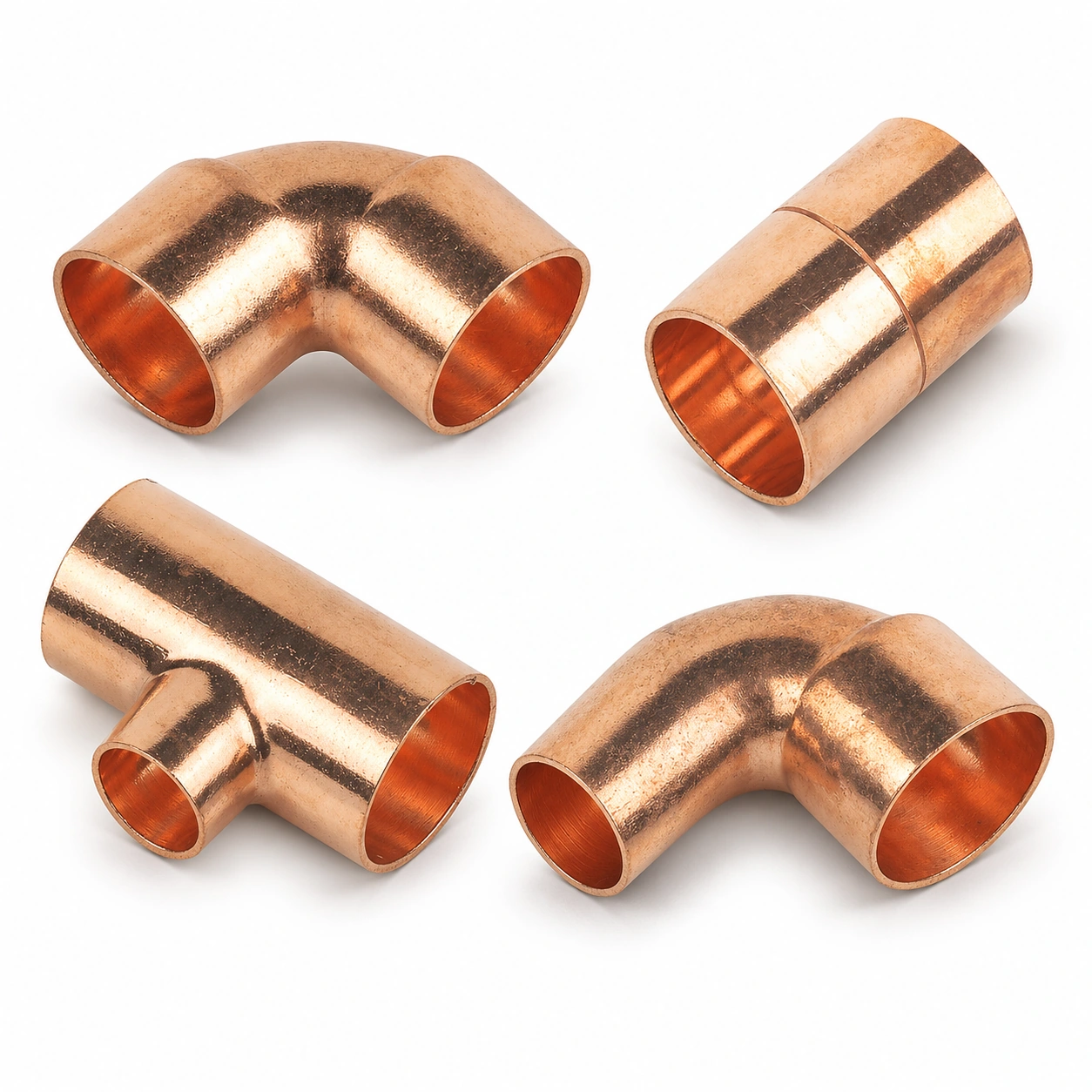
BWC supplies medical gas terminal outlets, zone valve boxes, pipeline valves, alarm products, manifold components and medical copper products.
A project contractor can send its approved change drawings and item schedule to BWC for a clearly bounded component quotation, with supply documents matched to the requested items.
Discuss an existing-hospital MGPS extension or replacement.
Frequently asked questions
Does ISO 7396-1 apply only to new hospital installations?
No. Its published scope includes extensions and modifications to existing pipeline systems as well as source-related changes.
Is a product datasheet the same as a completed system verification record?
No. Product identification and installed-system verification are separate responsibilities.