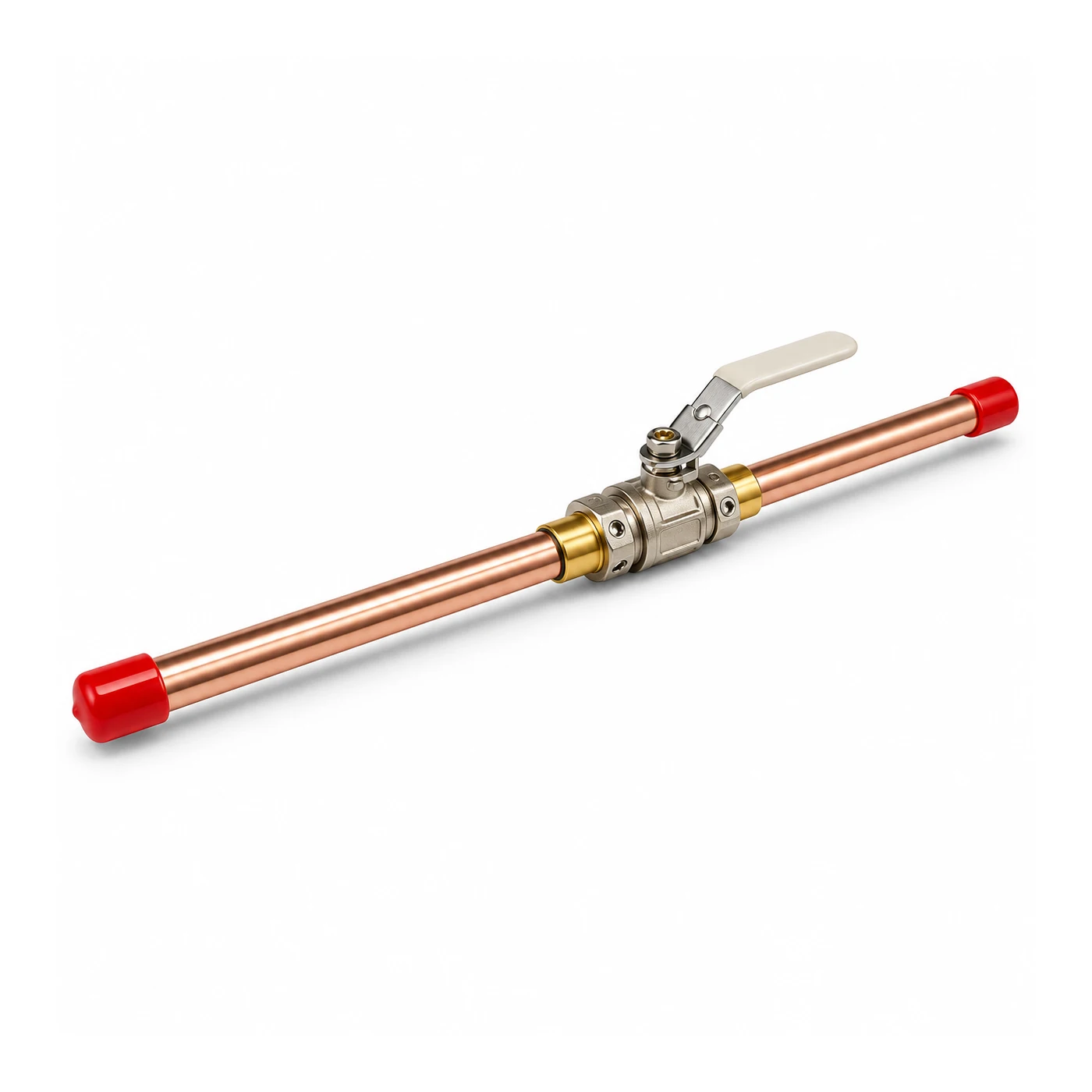

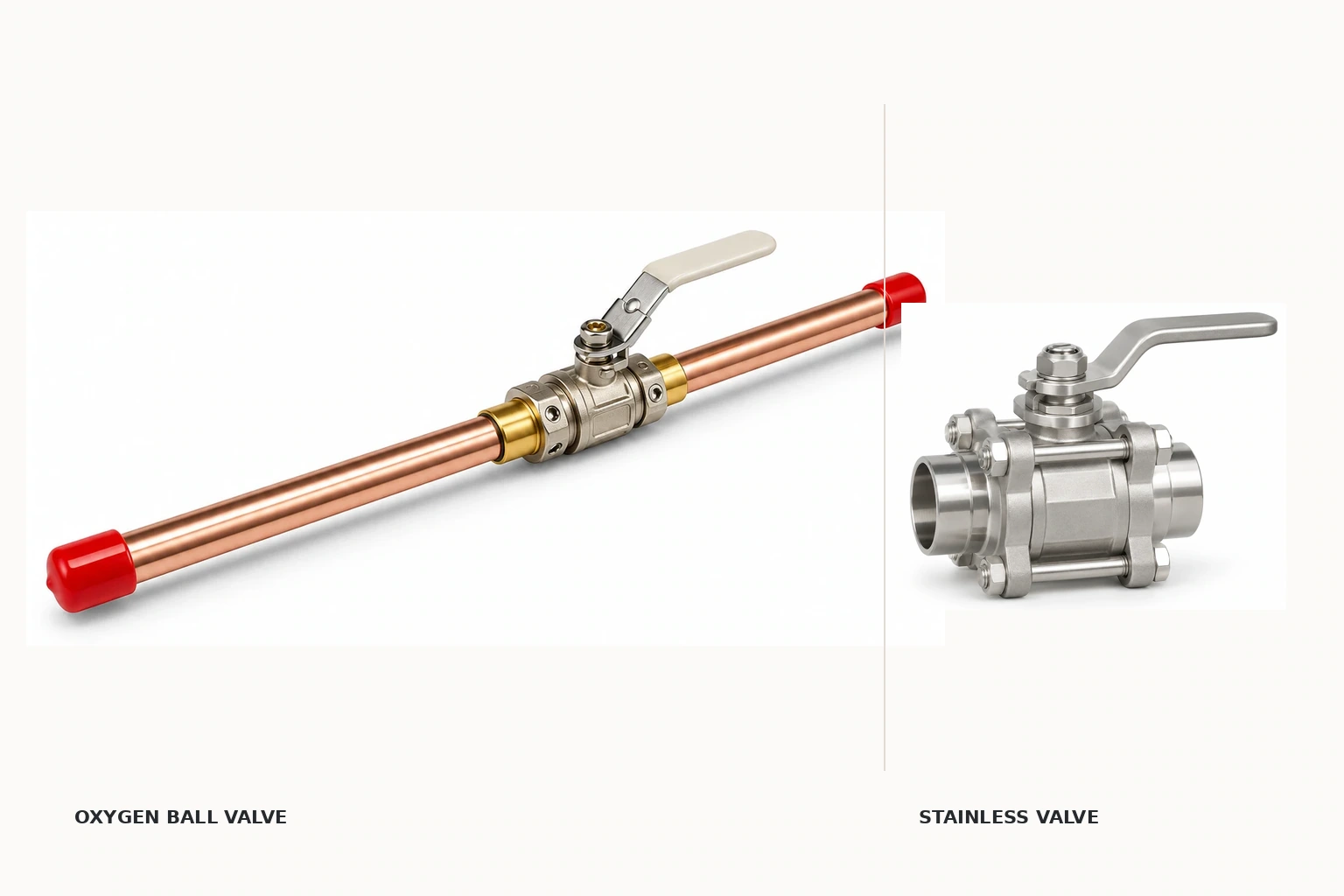
A brass valve can have the correct connection size and still be unsuitable for the intended oxygen-service duty. “Oxygen valve” on a carton is not a substitute for evidence of material suitability, cleanliness controls and the exact supplied product configuration.
This is especially important when an MGPS installer receives a mixture of valves for oxygen, medical air, vacuum and other services. A goods-receipt checklist can prevent unsafe substitutions and preserve traceability without asking warehouse workers to open or manipulate gas components.
Define the oxygen duty before searching a catalogue
The project designer must specify intended medical gas service, permitted operating conditions, approved design rating, relevant component function, exact material/connection requirements and the applicable system code.
[ISO 15001:2010](https://committee.iso.org/standard/44250.html) addresses oxygen compatibility of materials, components and devices in its defined medical/anesthetic equipment scope, including cleanliness, ignition resistance and material selection considerations. It is not a blanket certification of every valve made from brass or stainless steel.
The supplier should identify the actual offered model and its declared intended use. A generic “oxygen-compatible” icon without a controlled product record is weak evidence.
Separate four technical claims
Intended service: Has the manufacturer declared the exact valve model suitable for medical oxygen or other specified service?
Material suitability: Is the relevant body, sealing and other gas-contacting material configuration supported by the manufacturer's compatibility/risk evidence?
Cleanliness and protection: What approved production cleaning and handling/packaging controls preserve the required condition?
Performance and system integration: Does the component meet the approved functional duty and connection requirements for the specified installation?
One claim should not be used to infer the other three.
Build an inspection register
| Receipt check | Documentary evidence | Hold trigger |
|---|---|---|
| Purchase and exact model | Approved PO/model/configuration match | Wrong variant |
| Gas-service declaration | Manufacturer specification for the item | Missing intended-use statement |
| Materials | Controlled bill of relevant contacting materials | Unreviewed substitution |
| Cleanliness | Required manufacturer processing/inspection evidence | Missing or non-matching record |
| End protection | Approved caps/seals or specified protection intact | Breached package |
| Connection/dimension | Exact accepted drawing and product specification | Different end type |
| Identification | Model, lot and packing identifiers | Traceability gap |
| Technical approval | Relevant project design and quality sign-off | Unresolved departure |
The authorized project QA manager determines what evidence is mandatory; a visual look alone cannot prove internal oxygen-service cleanliness.
Do not use improvised cleaning to fix uncertainty
If a delivered valve has an open port, damaged packaging or unidentified residue, isolate the affected product and record the issue. The manufacturer and project engineering/quality authority must decide acceptance, reprocessing or replacement.
Do not recommend wiping the inside with solvent, applying lubricant, or blowing through the valve with an unspecified gas to make it “medical clean.” Such actions can introduce contamination and damage.
Record compatibility at the assembly level
A three-piece valve body, alternate seal and extended copper end can have different technical implications. The exact product version, not only the valve size, should be linked to the material and performance evidence.
A supplier changing a seal compound mid-order should submit a controlled engineering change notice; the buyer should document its technical acceptance before releasing the changed variant into the hospital inventory.
Factory records versus site records
Factory inspection can support the delivered valve's identity and performance within defined conditions. Site testing verifies the installed network after qualified construction. These are distinct stages under ISO 7396-1:2016 and the project's accepted verification programme.
A generic factory leakage certificate for a different batch does not prove an installed area valve arrangement meets its intended zonal function.
Worked delivery example
A shipment contains forty two-piece valves with identical outer bodies; twenty are labeled for oxygen and twenty for vacuum. The oxygen portion includes full model/lot records, while vacuum variants have only a packing list.
Do not use the oxygen records to accept the vacuum units. Hold the undocumented lines, request the correct product evidence and avoid mixing accepted/quarantined items in the worksite store.
Keep protection through installation
The contractor needs an approved plan for storage, issue to work, preservation of closures and traceability to a specific location or segment. A correctly processed valve can still become contaminated by uncontrolled handling.
The QA log should map purchased lot to relevant installation asset ID without requiring the public website to display proprietary manufacturing details.
Choosing a supplier
Compare model-specific statements, drawing compliance, gas compatibility, cleaning/packing controls, technical documentation, replacement parts, lead time and traceability before price. “Medical grade” marketing should never replace the specified evidence.
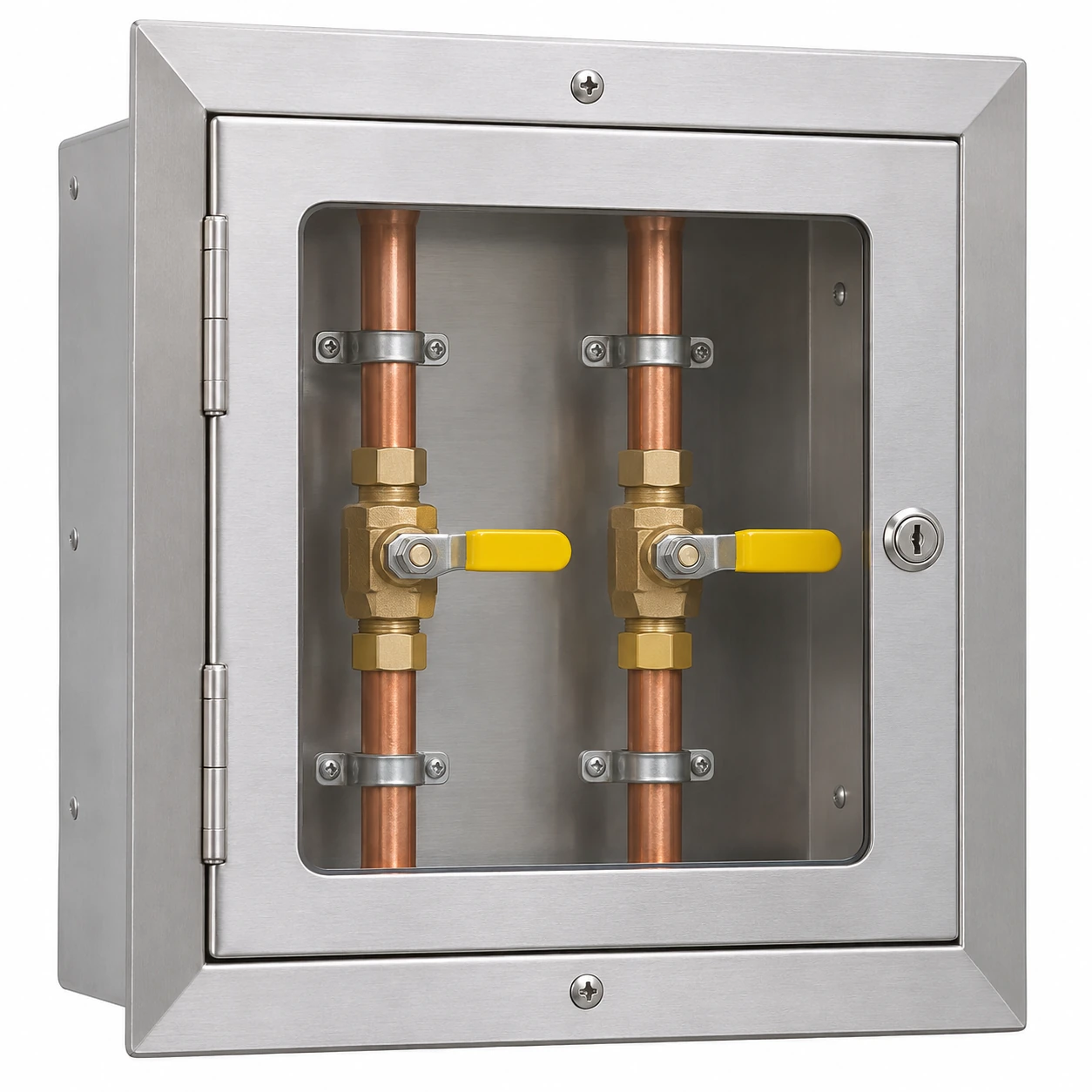
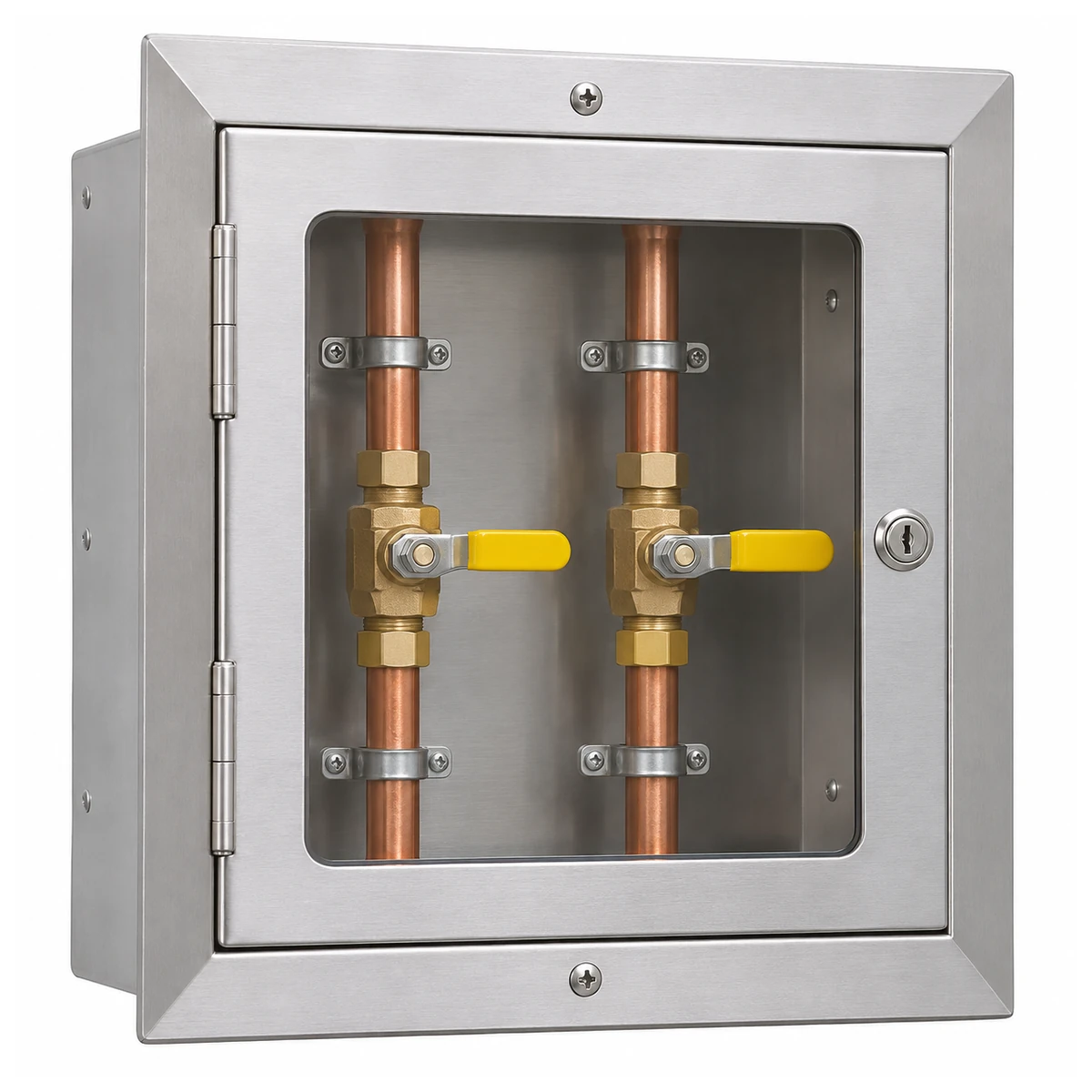
BWC Medgas can provide selected oxygen-service valves and associated area valve box components against precise service and construction specifications.
Submit your valve model and batch-evidence requirements to BWC Medgas.
Frequently asked questions
Does the word “brass” prove oxygen compatibility?
No. Full material/design/cleanliness suitability and actual intended use must be assessed.
Can a valve with a missing protective cap be installed because it looks clean?
Not solely on appearance. Follow the project's documented QA disposition.
Primary technical references
- [ISO 15001:2010 — Oxygen compatibility in medical equipment](https://committee.iso.org/standard/44250.html)
- ISO 7396-1:2016 — MGPS component and installation controls
- NHS England — HTM 02-01 (2026)
- NHS Scotland — SHTM 02-01 (2026)