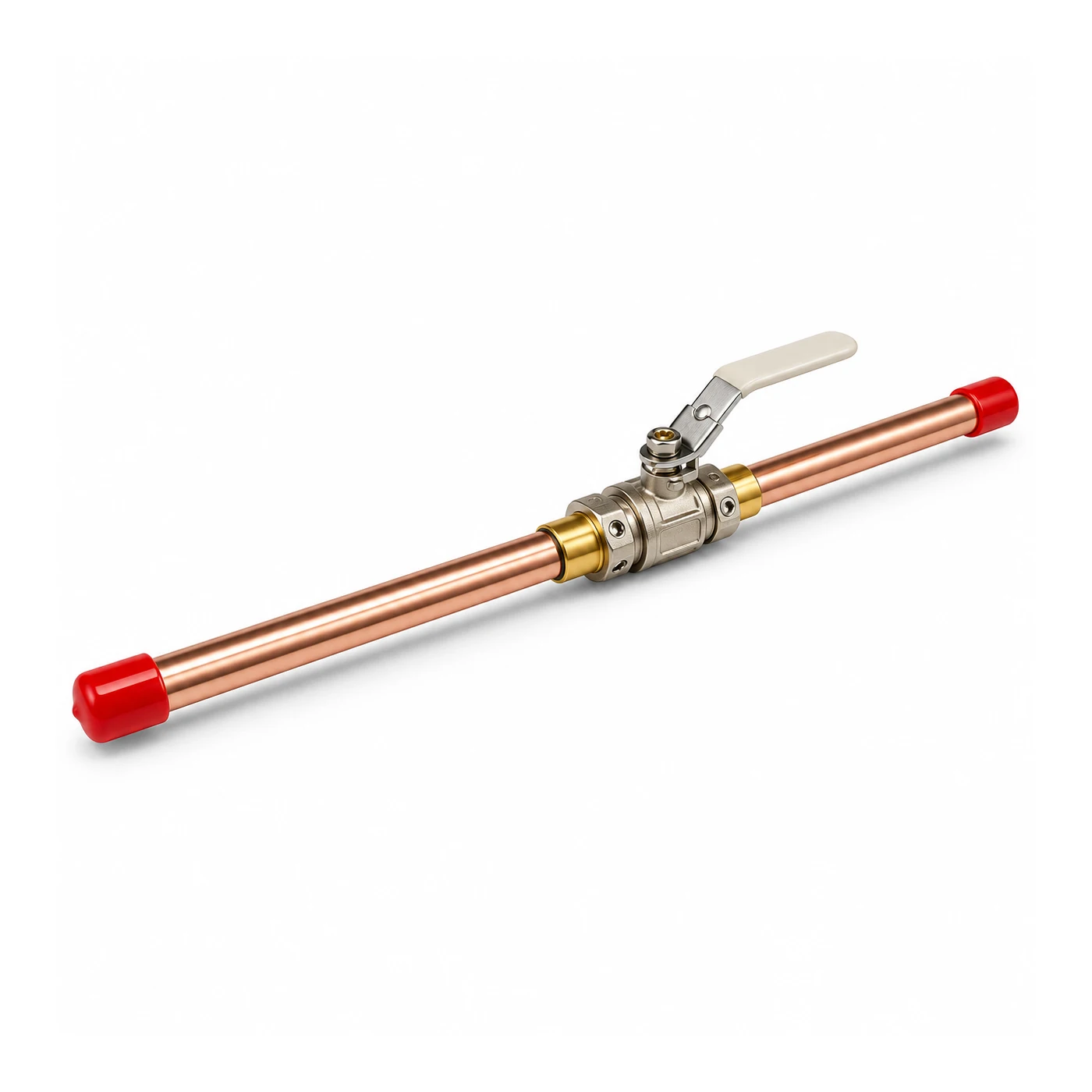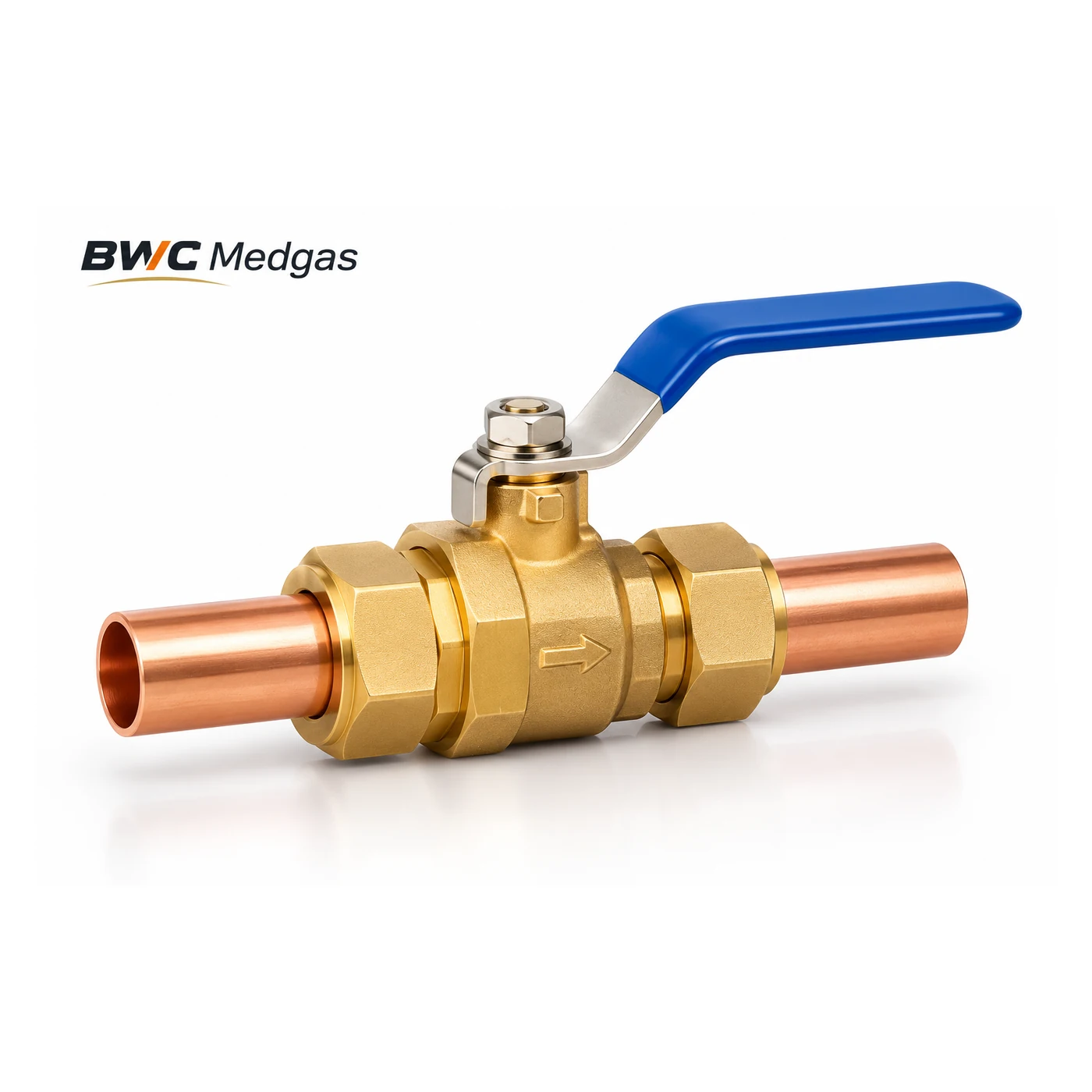

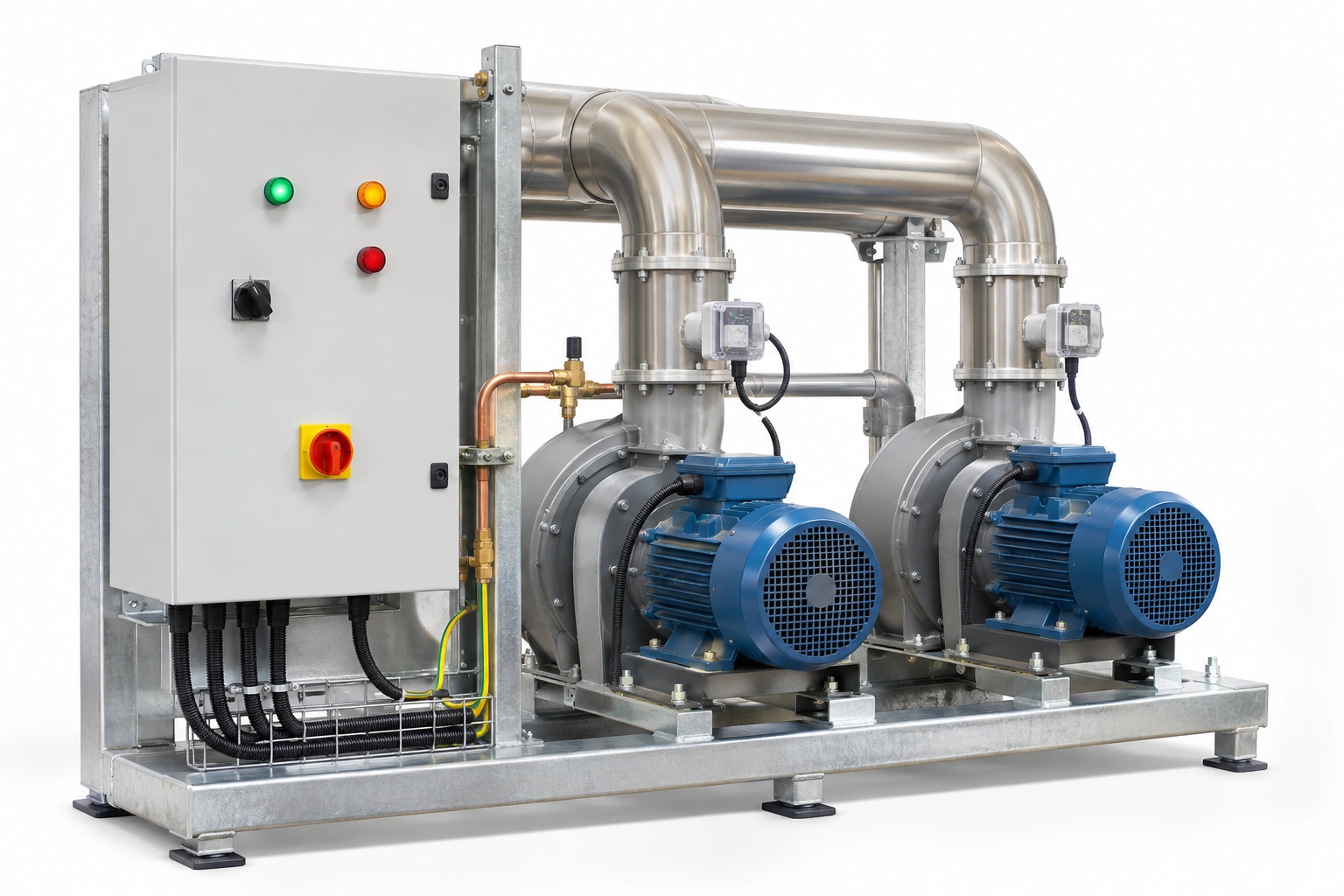
An anaesthetic gas scavenging disposal system may include extraction units, electrical controls, sensors and remote signals. In a hospital, seeing an extractor motor turn or a controller power lamp illuminate does not prove that the selected theatre is removing waste gases correctly.
The engineering handover should contain a status-and-fault cause/effect register with unmistakable physical meanings. This avoids confusing routine operating states, degraded availability and failures that require clinical response.
Identify what the operator actually needs to know
Record the installed plant model, number and duty of power devices, associated pipeline branches, room/terminal connections, selected operating sequence and all monitoring points. Use the manufacturer's supported configuration rather than inventing standard operating modes.
ISO 7396-2:2007 addresses AGSS disposal-system design, performance and commissioning. The adopted hospital specification determines the required alarm events and clinical escalation.
A source and alarm traceability register
| Field | Required entry | Acceptance evidence |
|---|---|---|
| Point identifier | Exact plant, sensor, motor or branch | P&ID and point list |
| Physical variable | Run state, pressure/flow, power or other defined signal | Manufacturer functional sheet |
| Event meaning | What changed, in technical terms? | Approved cause/effect |
| Alarm class | Routine status, operational warning or fault | Facility risk assessment |
| Receiver | Local controller, staffed station or approved remote display | Alarm route drawing |
| Failure visibility | Sensor loss, invalid reading, link/power fault | Functional test plan |
| Response | Who is informed and when? | Clinical/estates escalation policy |
| Record | Event, acknowledgement, technician action and closure | Audit log and handover |
Avoid a generic “AGSS fault” label for events that have different operational consequences.
Standby and duty are not synonyms for health
A duty unit may be running normally while a standby unit is unavailable. Depending on the approved reliability design, this could require prompt maintenance or another operational response. The manufacturer should explain which conditions are monitored and which are merely inferred by software.
Two motors connected to the same unprotected electrical circuit or common discharge path do not automatically deliver verified resilience.
Missing or stale data is not a normal condition
If a plant sensor fails, the local display and any remote system need an approved response. A supervisory dashboard should not silently repeat the last known “normal” value without indicating its age or invalid state.
The hospital engineering team must establish whether the required alarm remains available when remote communication fails. A generic building management screen is not automatically a replacement for medical-gas alarm requirements.
Example: a correct motor indication with a downstream fault
The plant controller reports one extraction motor operating; staff raise concerns about waste-gas capture in a theatre. Possible contributors include disconnected workstation transfer tubing, a terminal fault, a pipeline restriction or a disposal plant performance problem.
The status light cannot identify the cause. Record the exact room and interfaces, compare with approved alarm and equipment evidence and assign the investigation to the qualified technical and clinical teams. Never disconnect a patient machine to test live suction.
Link the right tests together
A source-panel FAT may validate internal control outputs. Site acceptance must show the correct event identity at its intended local and remote destinations and connect the source status with actual AGSS system performance.
The 2026 Scottish SHTM 02-01 includes Form A17 for AGSS tests, while NHS England HTM 02-01 provides the wider healthcare management framework. Project-qualified testing is required; a sales demonstration is not commissioning.
Operational maintenance programme
Retain asset IDs, manufacturer contact details, firmware and point-list versions, approved warning texts, fault history, service interventions, observed tests and signed restoration records. The technician should be able to distinguish a pump-status fault from an equipment-side scavenging problem.
The [OSHA hospital guidance](https://www.osha.gov/etools/hospitals/surgical-suite/waste-anesthetic-gases) also stresses appropriate scavenging maintenance and work practices for reducing occupational exposure.
Commercial specification
A vendor offer should list alarm outputs, physical variables measured, supported interface protocol, controller and sensor failure reporting, actual operator displays, test scope, documentation and spare parts. Price comparisons are misleading if only one quote includes a complete alarm-to-receiver map.
BWC Medgas supplies selected medical gas alarm, indication and installation components when their application and approved model are defined; it does not claim to supply a complete AGSS control plant.
Send an approved AGSS signal or component schedule to BWC Medgas.
Frequently asked questions
Does a running blower prove scavenging flow is acceptable at every theatre?
No. The system's installed operating conditions and individual interfaces need verification.
Can a BMS dashboard alone establish an AGSS alarm installation?
No. The adopted design must define required alarm functionality and receiving paths.
Primary technical references
- ISO 7396-2:2007 — AGSS system design and commissioning
- NHS Scotland SHTM 02-01 (2026), A17
- NHS England HTM 02-01 (2026)
- ISO 9170-2:2008 — Terminal boundaries
- [OSHA — Waste anaesthetic gas controls](https://www.osha.gov/etools/hospitals/surgical-suite/waste-anesthetic-gases)