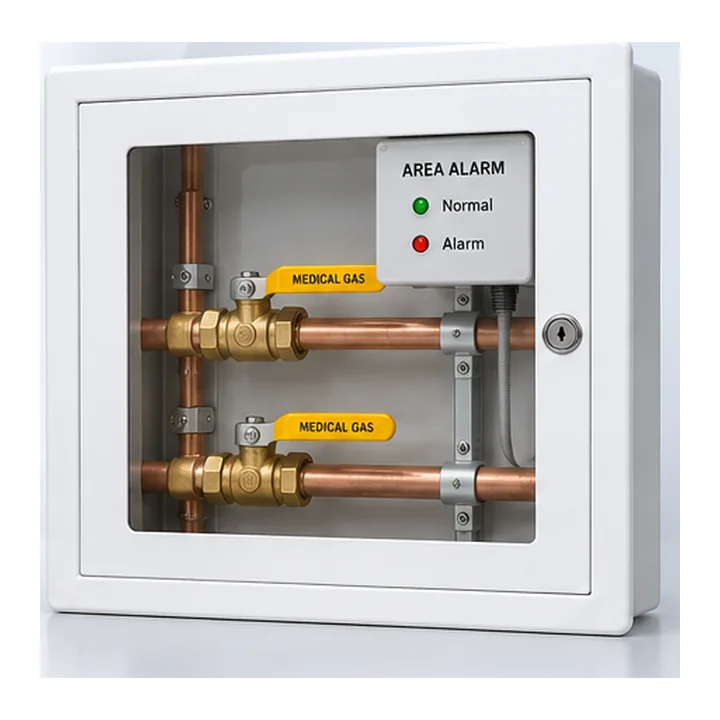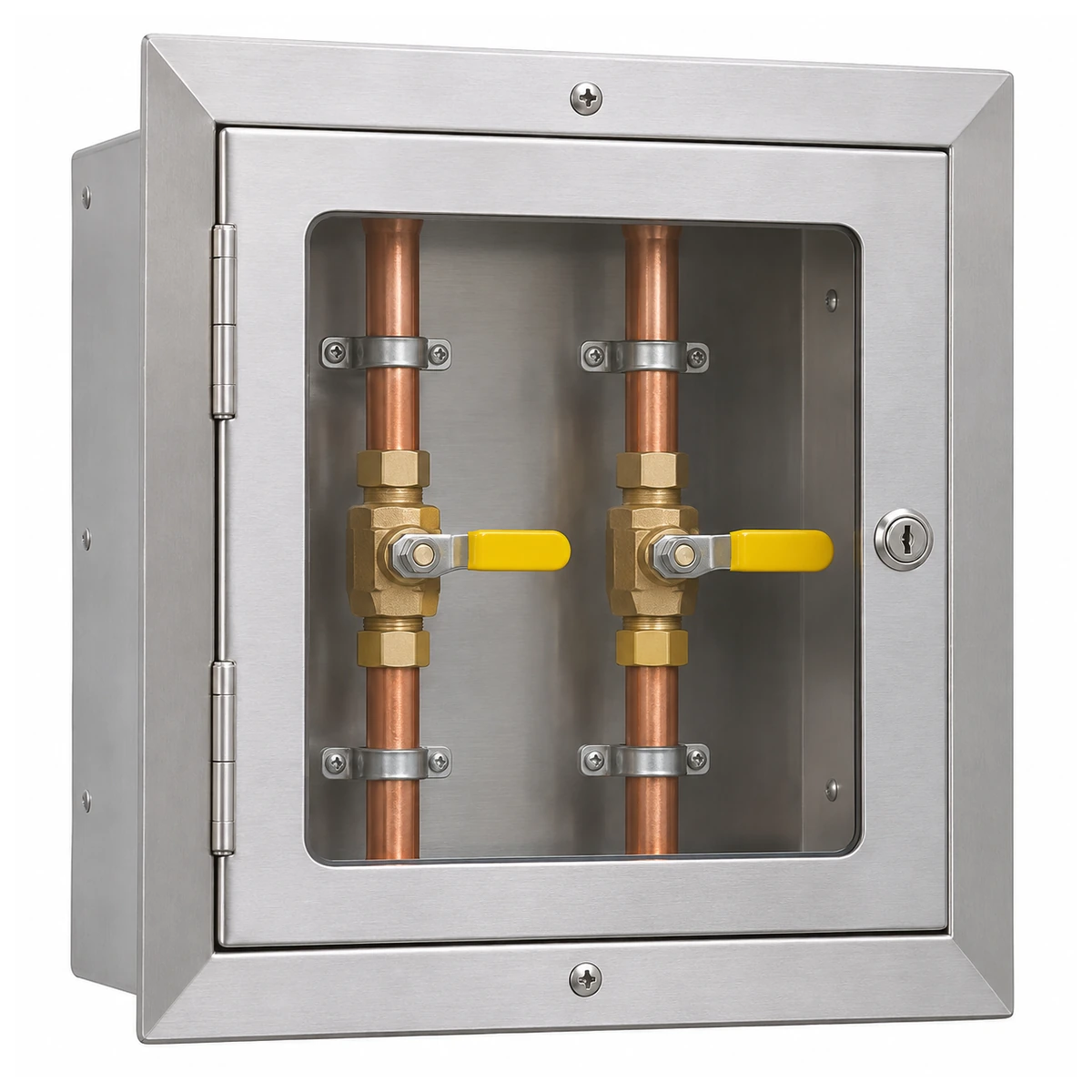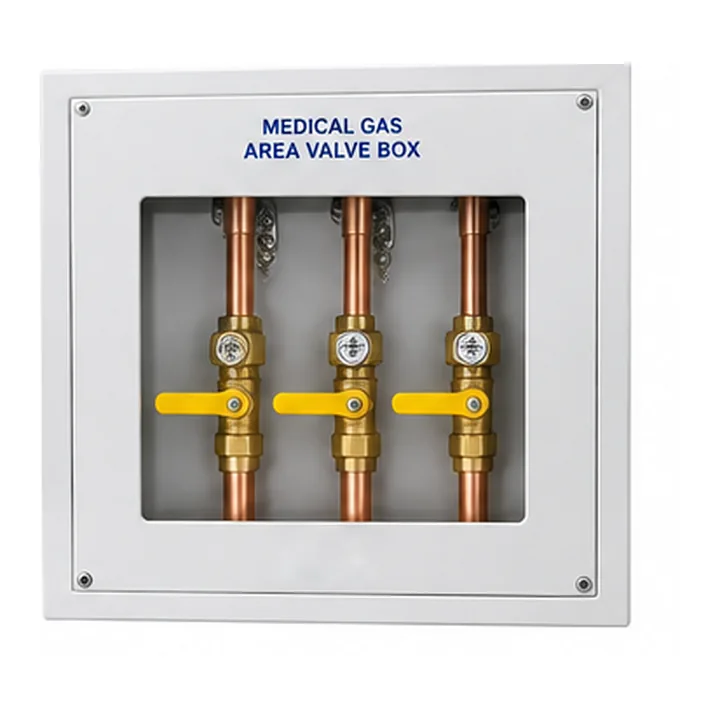
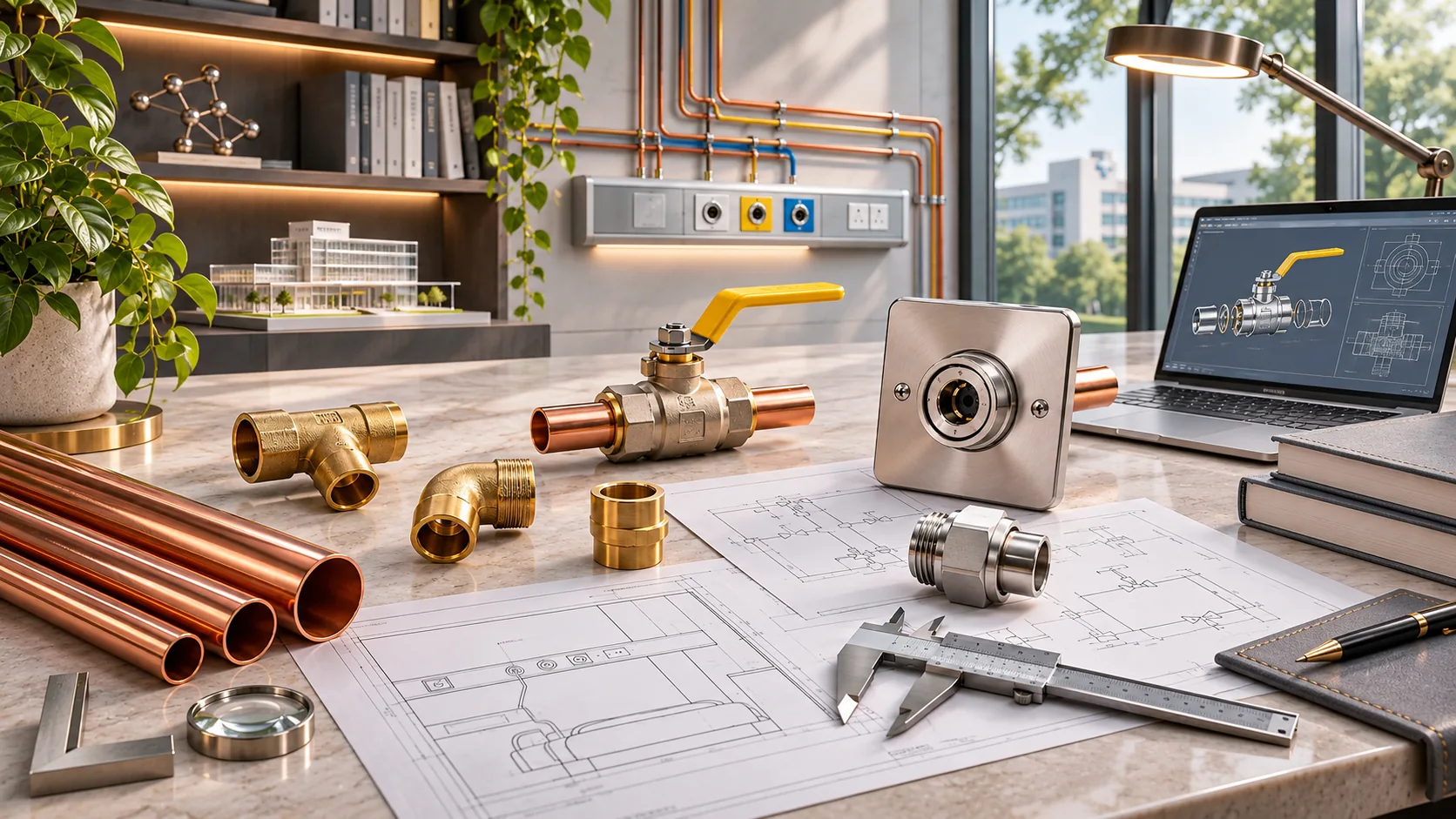
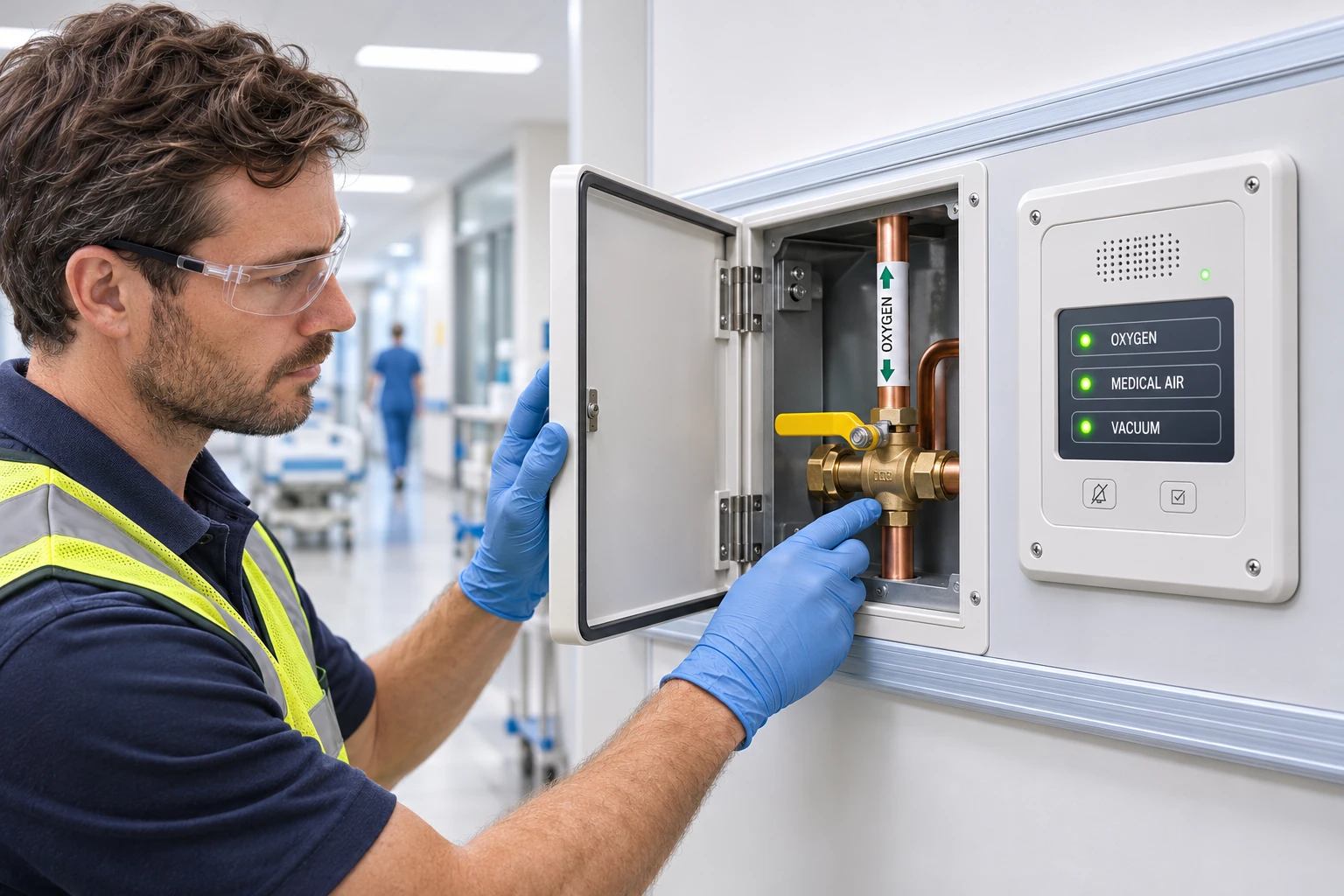
An Australian hospital MGPS materials list frequently contains both zone isolation components and area gas alarms. They serve different purposes, so a purchaser should not combine them into one vague "medical gas control equipment" item.
Reference framework
AS 2896:2021 addresses installation and testing of non-flammable medical gas pipeline systems used for patient care. Its scope includes pipeline systems, terminal units and related warning systems, including medical suction. The project's adopted design documents determine the actual valve and alarm arrangements.
A component quotation should state which parts of the approved system design are being supplied. The area alarm must be specified separately from the valve assembly unless the approved equipment schedule clearly defines a combined unit.
Zone valve and AVSU purchasing detail
For an area valve service unit or zone valve box, list the services controlled, the number of isolation paths and the pipe connections.
A buyer's RFQ should contain:
- Building, floor and valve-zone identifier
- Oxygen, medical air, vacuum or other specified services
- Number of valves for each zone
- Relevant copper pipe dimensions and connection format
- Enclosure dimensions, mounting and access arrangements
- Required service labels and identification
- Any explicitly required ports or pressure indicators
An enclosure with alarm ports is not the same as a complete alarm panel. See the integrated valve box with alarm ports as an example of a distinct product description.
Area alarm panel specification
The area gas alarm panel needs its own schedule of monitored services, signals and location. State the relevant input type, panel power supply and any integration interfaces required by the project documents.
This is especially important when comparing packages from different equipment suppliers, because included sensors and connection accessories may vary by quotation scope.
Replacement in an operating facility
For a refurbishment, document existing valve-box dimensions, connected services, alarm connections and available wall space. The hospital's engineering team should establish the operating and installation requirements; the purchaser then uses the recorded equipment schedule to identify supply items.
Example RFQ separation
- Zone valve box: three specified service paths, pipe sizes and wall arrangement per drawing.
- Monitoring devices or pressure signal interfaces: items and quantities as specified.
- Area alarm panel: monitored services, power and mounting requirements.
- Associated line isolation valves and connection accessories if needed.
These are example line-item descriptions, not recommended system designs or patient-bed quantities.
Questions buyers ask
Does AS 2896 provide a universal alarm-panel model?
No. The project's approved system schedule still needs to describe the required configuration.
Can a two-gas box be used in a three-gas zone?
The actual number of service paths needs to match the approved design.
Can different component groups be quoted together?
Yes, if each box, valve, sensor and panel remains a distinct, itemized line.
Related BWC products
See zone valve assemblies, medical gas alarm panels and the Australian MGPS procurement overview.
Pairing alarm points with isolation zones in an existing hospital
In a refurbishment, an alarm indication point and a zone valve enclosure may relate to the same clinical area without being part of one purchased assembly. Mark each isolation zone on the drawing and record the corresponding alarm location. This makes it easier to distinguish a replacement valve enclosure from an alarm panel with new monitoring inputs.
For each zone, record the gas services, valve count, pipe connection sizes, enclosure format and accessibility requirements. For an associated alarm position, document the monitored services, signal inputs, electrical supply and mounting style. See the medical gas area zone valve box as a related product category, not a substitute for the alarm panel.
Use the project-approved drawings and adopted standard edition to settle interface details. Do not assume that equipment from different installations is interchangeable merely because it carries a similar label.