A hospital extension can require only one new wing of copper pipe, but its interface with an existing live system may be the highest-risk part of the entire project. The older network may use different materials, have undocumented changes, serve more clinical zones than the drawing suggests or carry a gas service whose planned demand has expanded.
A tie-in dossier identifies existing evidence, design changes and approval boundaries before the project starts. It is not a procedure for isolating, cutting or modifying a pressurized or clinical medical gas line.
Verify the existing installation, not just its archive
Obtain the hospital's current source and distribution drawings, asset records, valve-zone schedules, maintenance history, previous modifications and relevant verification evidence. Commission a controlled survey by the authorized personnel to reconcile these records with actual installed conditions.
Classify each interface datum as:
- Verified: supported by current acceptable survey/evidence.
- Provisional: appears on an older record but is not yet confirmed.
- Unknown: no adequate information exists.
- Changed: the current condition differs from approved documents.
Do not allow provisional records to become final procurement dimensions simply because a tender deadline is approaching.
Define the new-work boundary
On the controlled project drawing show retained pipework, new branches, relevant valves/monitoring interfaces, terminal areas, approved connection boundary and the required verification segments.
For each new connection identify who owns the design, supplies the mating materials, carries out the physical installation, documents tests and authorizes the operational release.
A vague scope such as “connect to the nearest existing copper line” is insufficient. The approved gas service, hydraulic duty and isolation/clinical implications must be established.
Check material and joint compatibility
If the existing system was installed under a former specification, do not automatically call its tube equivalent to current EN 13348:2016 material. The design authority should review actual tube identification, dimensional interfaces, joining method and cleanliness evidence. Some information may require a controlled investigative scope.
New components should be specified against the approved current project requirements. Where a legacy connection requires special approval, document the exact disposition and revised design.
Do not encourage improvised adapters or general plumbing fittings to overcome unknown existing interfaces.
Recalculate demand and zone effects
Adding outlets or changing a ward's function can affect the full distribution path and source, not only the new branch. Ask the designer to assess approved demand cases, pressure loss and source capacity, especially at remote existing clinical points.
A pipe extension should not be justified solely by a statement that the upstream main “looks large enough.” Link the design review to a current calculation and room/terminal schedule.
Also record whether the new wing changes which areas an existing valve zone serves or which alarms must indicate its status.
Work planning and clinical continuity
The healthcare operator's approved MGPS management system governs permits, clinical notifications, contingency arrangements and any work affecting existing services. A contractor work plan alone cannot authorize an interruption.
The project manager should maintain a dependency record for design approval, clinical review, approved work documents, component availability, site verification and return-to-use acceptance.
Do not collapse these milestones into a single programme line labeled “tie-in complete.”
Build a boundary-focused verification matrix
| Interface | Required coordination | Evidence owner |
|---|---|---|
| Existing route and gas identity | Verified survey and service identification | Healthcare operator/design authority |
| New-material specifications | Approved tube/fitting schedule | Engineering/procurement |
| Existing-to-new connection | Accepted detail and permit arrangement | Competent project parties |
| Affected valve zone and alarm | Updated zone/signal documents | Designer and hospital |
| Installation and testing | Approved section-specific evidence | Contractor and verifier |
| Operational acceptance | Required verified handover/release | Healthcare authority |
The actual test methods and sequence must follow the accepted site procedures.
Example: incomplete existing drawing
An approved-looking drawing says the corridor line serves only the old ward. The estates team knows a later department was added, but no revised zone diagram is available.
The risk is an incorrectly defined service impact. The project should hold the tie-in approval, verify the served-area boundary under the site process and update the design and clinical review. It should not proceed based on an informal assumption that the missing room has another source.
Document final release and retained-system changes
At completion provide updated drawings of both the new and affected existing portions, material records, connection and verification evidence, revised valve/zone/terminal schedules and a clear boundary for the section that has been accepted.
The operating team must know which earlier documents are superseded. All source and pipeline modifications must fit the adopted MGPS and hospital operational requirements. ISO 7396-1 explicitly includes extensions and modifications in its scope.
Relevant BWC products
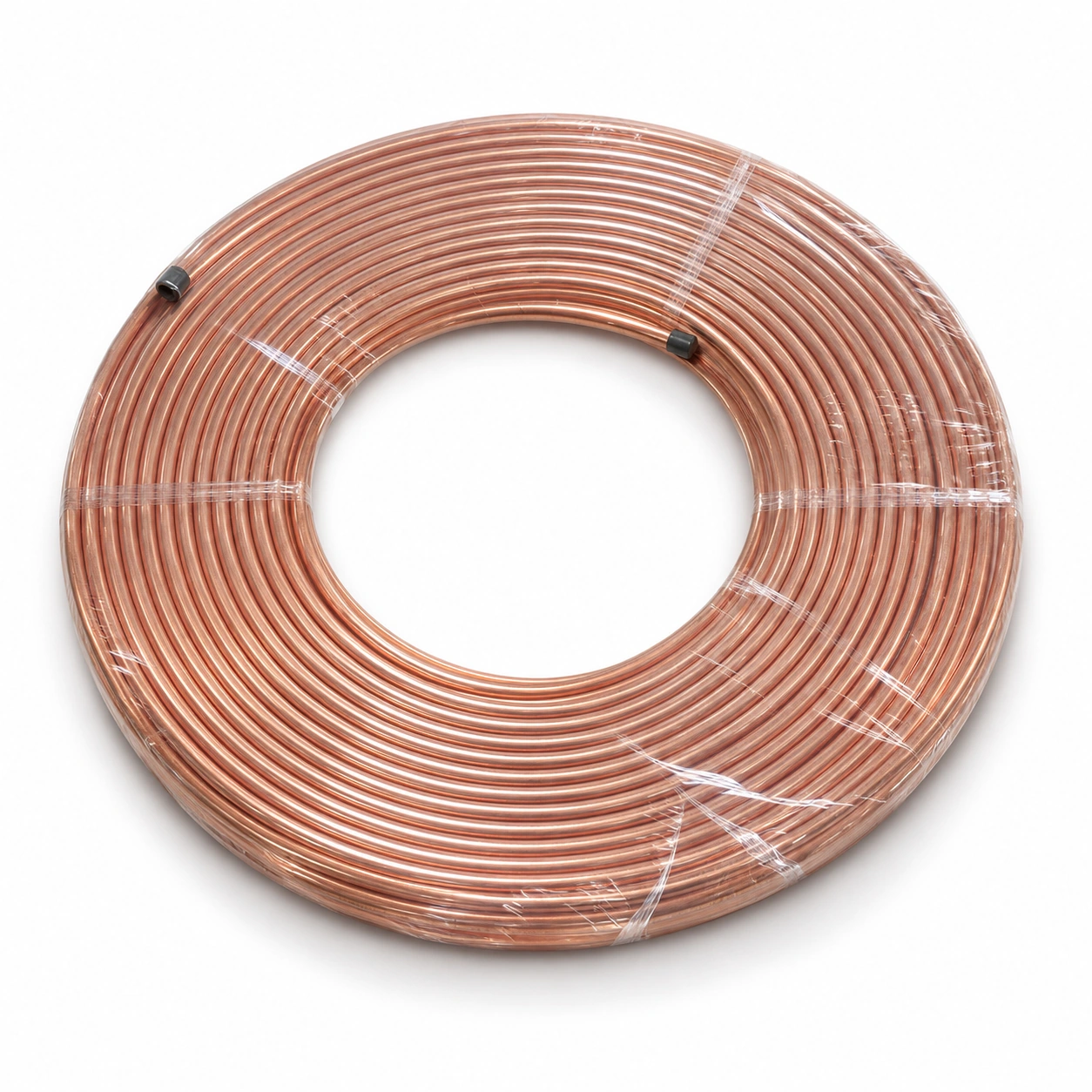
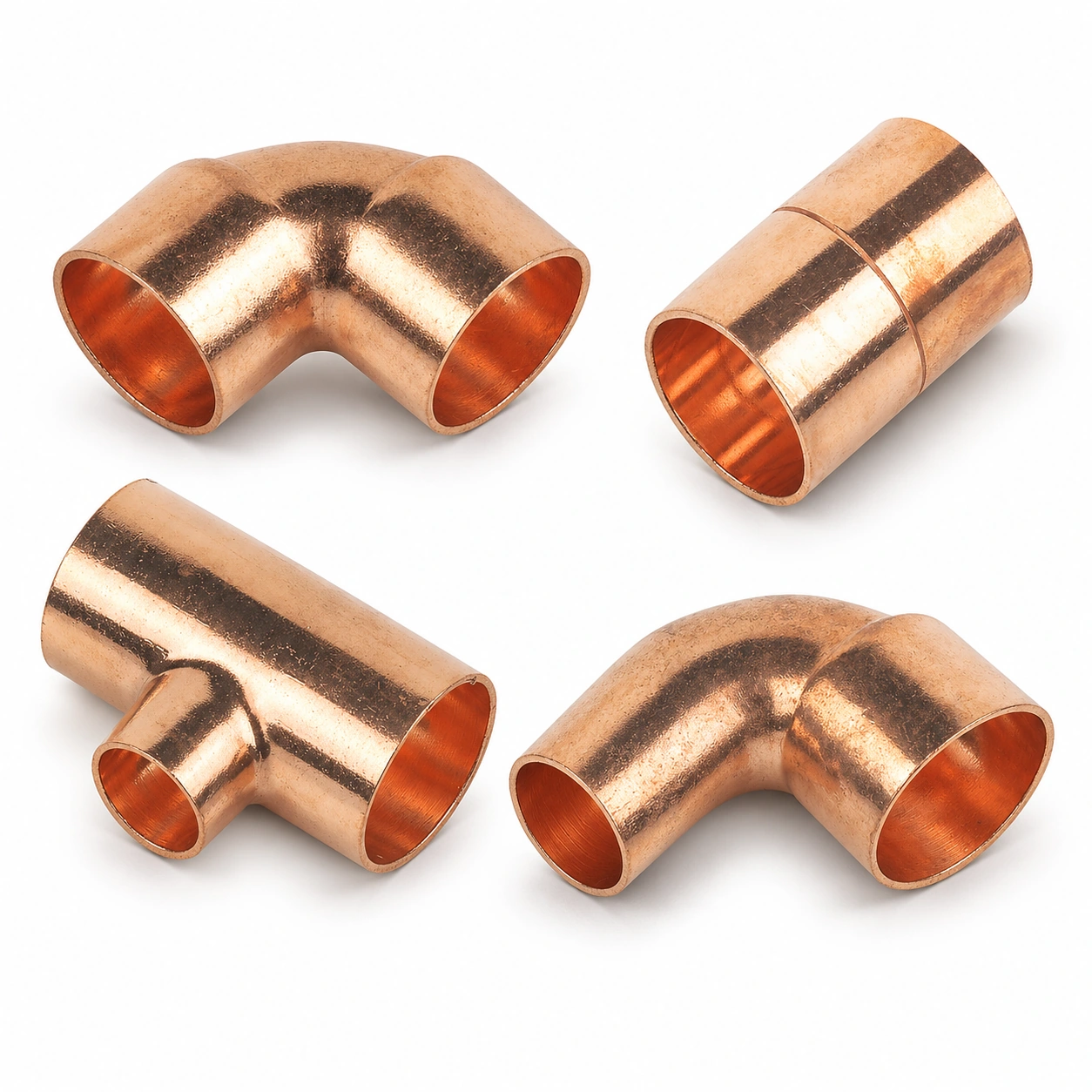
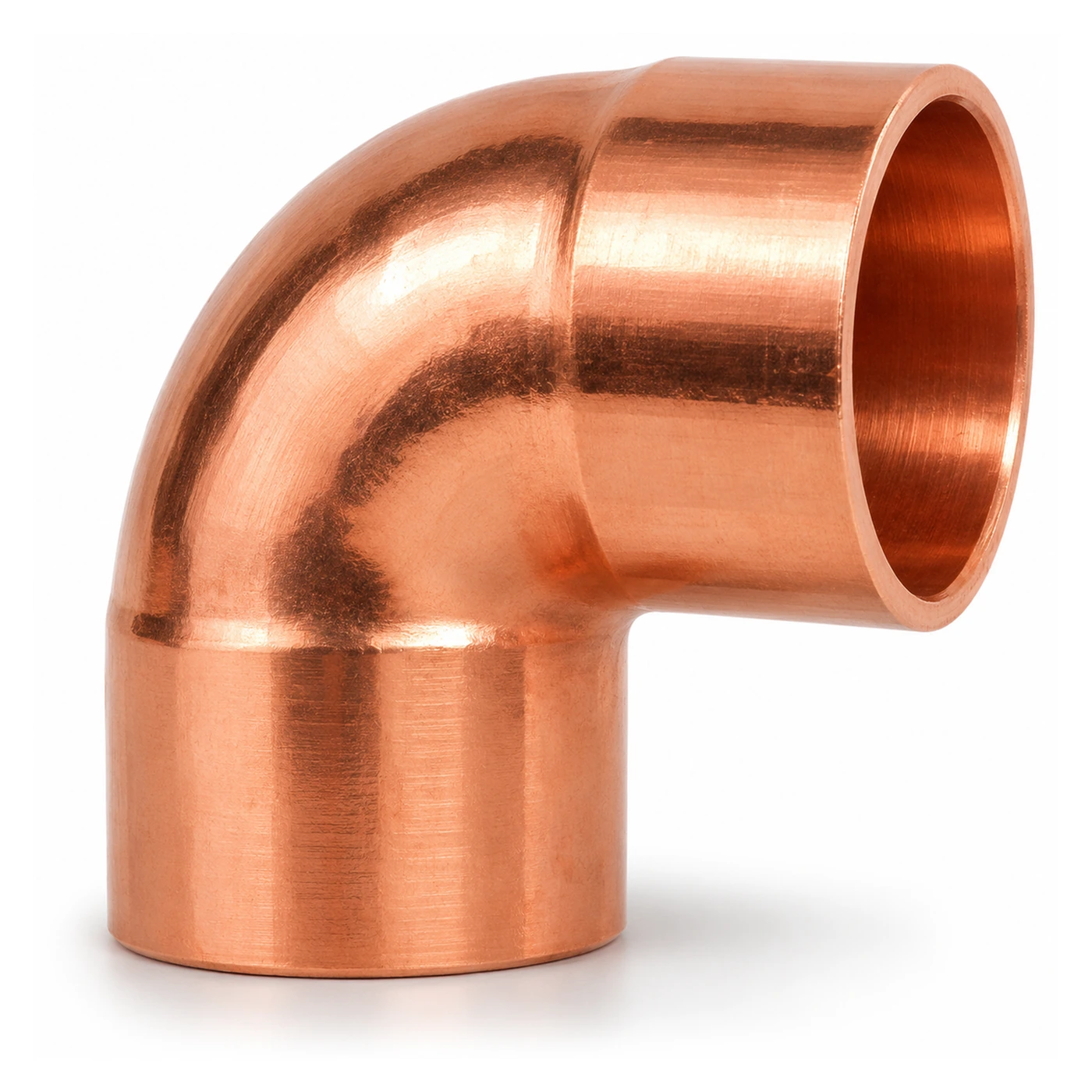
For a designed extension, BWC can supply selected medical-gas copper tubing, compatible fittings and line valves. Source verification, live-site work and operational release remain with the hospital's appointed teams.
Discuss the approved extension bill of materials with BWC Medgas.
Frequently asked questions
Can the older pipe size be assumed adequate for a new clinical wing?
No. The network must be reassessed against the approved changed demand and performance.
Is a survey photograph enough to verify the correct medical gas service?
No. Acceptable service/connection evidence is defined by the qualified survey and applicable procedures.