A planned medical gas shutdown is a clinical coordination exercise as much as an engineering task. Even a short isolation can affect ventilated patients, operating rooms and emergency pathways. The programme must start by identifying patients and clinical services at risk, not by selecting the nearest valve.
The 2026 NHS England HTM 02-01 operational-management guidance and 2026 Scottish SHTM 02-01 Part B provide frameworks for authority, permits and managed medical gas work. The ISO 7396-1 pipeline standard covers the installed system. Apply the hospital's authorised procedure and jurisdiction-specific rules.
Record the actual work boundary
A work order titled “repair third floor oxygen valve” is insufficient. The engineering team should use current system drawings to define the controlled supply section, affected clinical rooms, gas service, source-to-zone route and other systems that might be influenced.
| Planning gate | Required question | Required decision/evidence |
|---|---|---|
| Work scope | What component and section change? | Approved drawing and work description |
| Clinical impact | Which patients, spaces and devices depend on supply? | Clinical impact review |
| Supply continuity | Is a validated and staffed contingency available? | Approved clinical/engineering continuity plan |
| Authorisation | Who can issue and accept the work permit? | Named responsible parties |
| Communication | Who acknowledges the proposed interruption? | Department-level notification and confirmation |
| Test and restoration | Who will verify correct gas, pressure, alarms and service after work? | Approved test and release plan |
| Stop-work trigger | What events require the job to be postponed or cancelled? | Documented decision thresholds |
| Closeout | What proves the area was safely returned to use? | Signed acceptance, updated records |
Separate approval from physical action
The engineering authority, contractor, clinical teams and responsible operations staff each have different roles. A technician should not interpret physical access to an area valve service unit as permission to interrupt supply. A signed work permit must correspond to the actual scope and agreed clinical protections.
If the intended work has been expanded, if the ward has changed acuity, or if the available backup cannot meet the agreed plan, return to the approval process. An informal verbal request to proceed does not replace the authorised work controls.
Build a clinical continuity plan
Coordinate with clinical leadership to determine affected activities, whether treatment should be delayed or relocated, whether suitable temporary supply is feasible, and how patients would be monitored. Temporary supplies require qualified engineering and clinical validation; a cylinder count alone does not demonstrate sufficient flow, pressure or duration for a critical-care area.
Record the communication route and a clear escalation point. Include how alarms will be supervised during any approved work. Do not silence an active warning merely to make a maintenance window more convenient.
Reinstatement is a separate decision
After the work, the qualified verification team must complete the tests and checks required for the modification type and local regime. A replaced valve may require leak/functional tests and a verified service boundary; a pipeline modification may involve broader gas identity, cleanliness and quality verification.
The release record should describe what was tested, by whom, and which exact areas are fit to receive service. Only the appointed authority should authorise reopening the clinical area under the hospital procedure. Retain all exclusions and unfinished works.
Worked example: a valve replacement near an operating suite
Suppose a faulty oxygen line valve serves two theatres and a recovery bay. A contractor offers to swap it during a short evening slot. Before acceptance, the project manager must reconcile the actual valve-to-room mapping, operating schedule and clinical backup requirements. If the zone drawing is unclear, the work window is not ready, even if the replacement valve is on site.
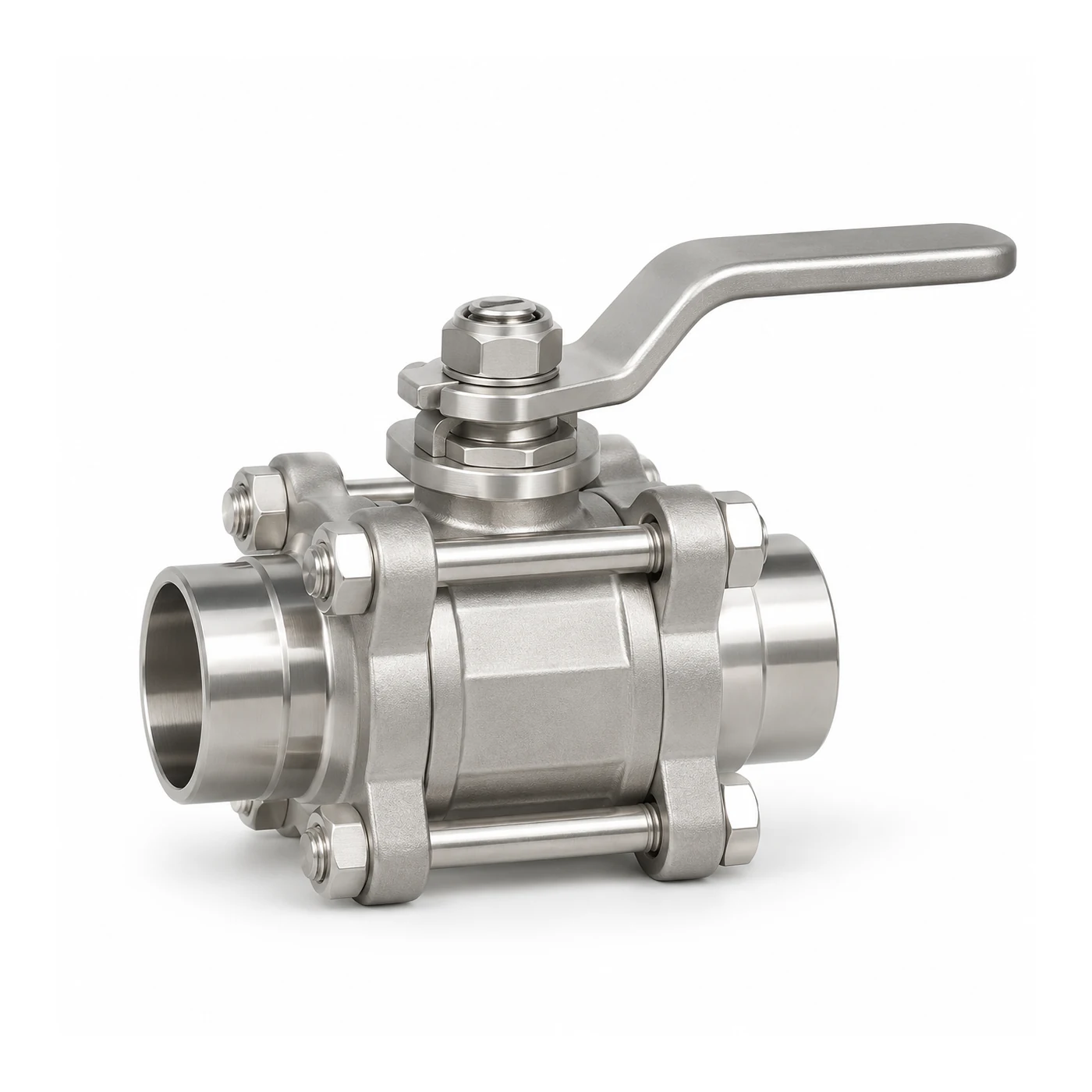
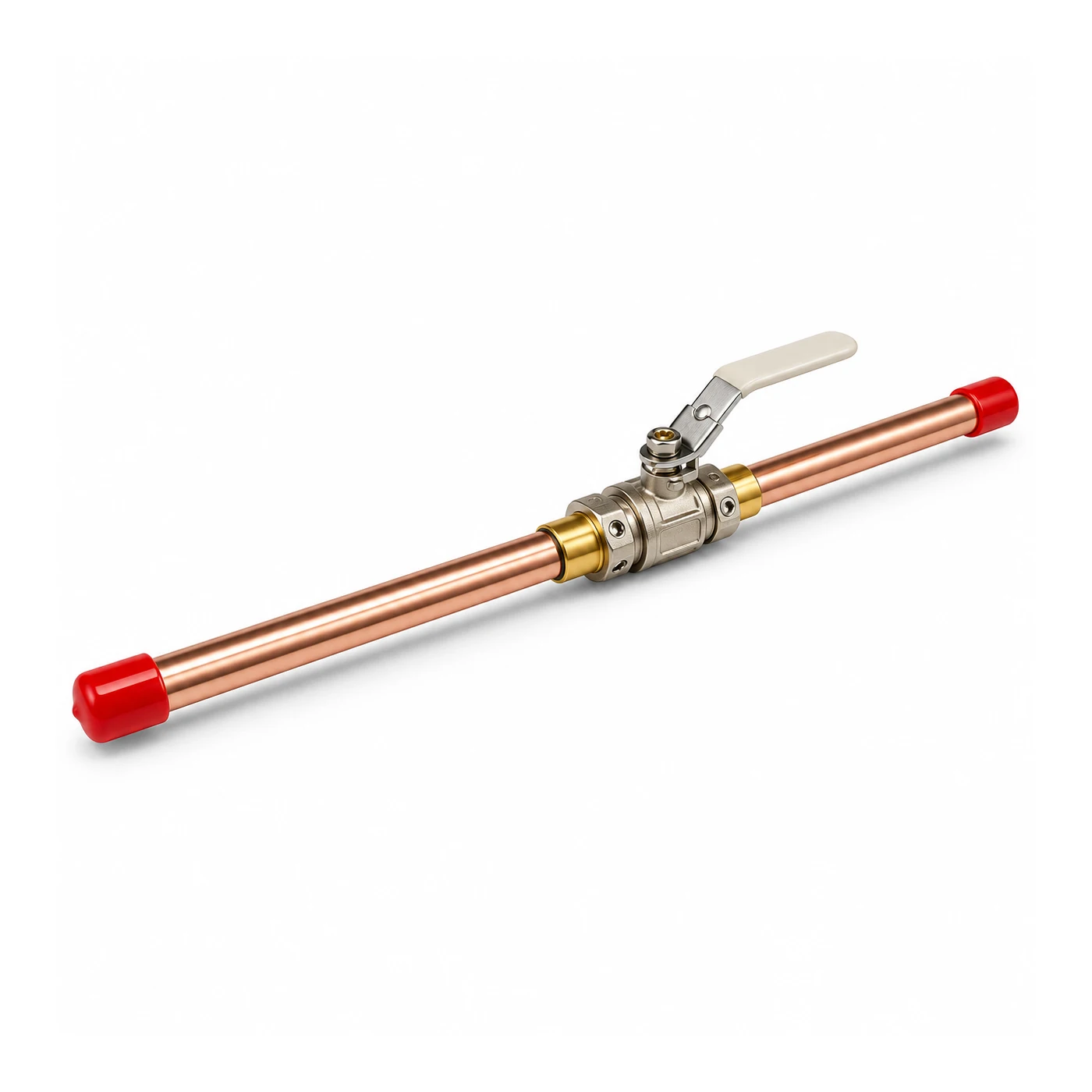
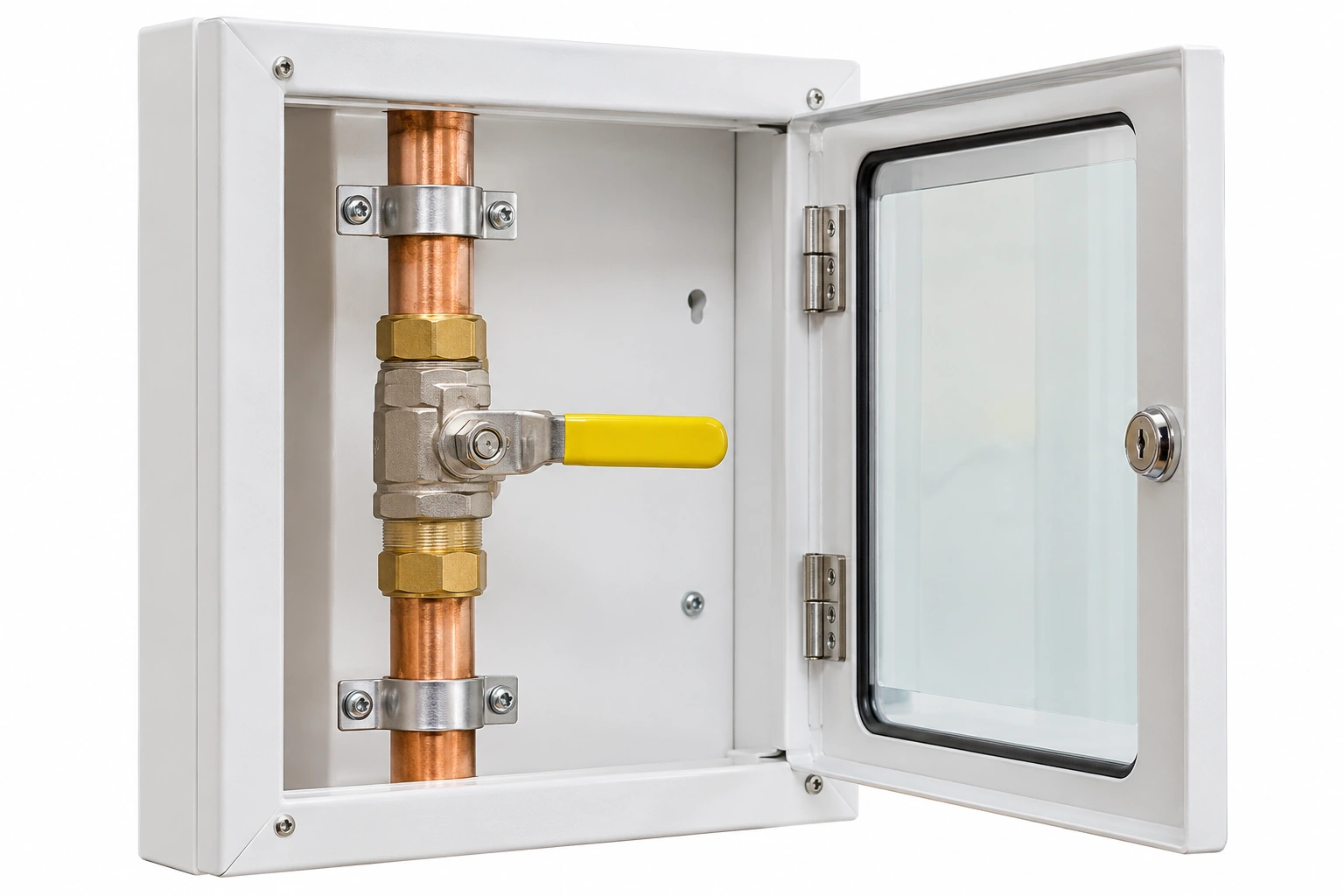
An agreed replacement medical gas line valve, valve box or medical gas installation fitting should be specified by approved gas service, dimensions, model compatibility and required paperwork.
Provide BWC Medgas with an approved valve and connection schedule.
The [Joint Commission maintenance strategy](https://www.jointcommission.org/en-us/knowledge-library/support-center/standards-interpretation/standards-faqs/000001340) also emphasises reliable high-risk piped systems, which makes documenting controlled maintenance and safe restoration particularly important.
Common evidence gaps
The most damaging gaps are missing ward acknowledgement, unclear isolation boundaries, unverified temporary supplies, an unrecorded scope increase, and a work permit closed before verification. Audit these specifically; the number of completed forms tells little about patient safety unless their content is coherent.