
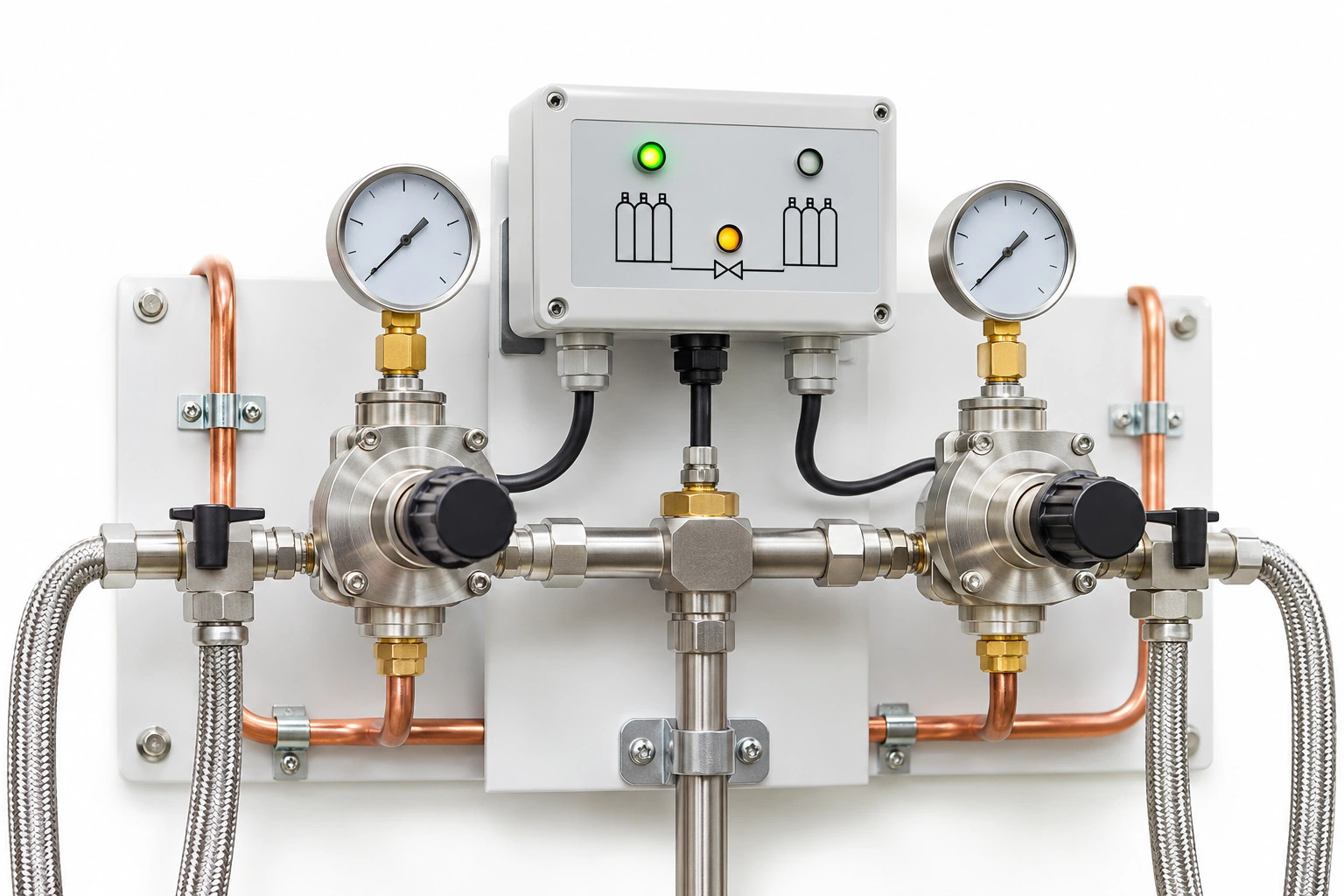
When an automatic medical gas manifold changes banks earlier than expected, the operator needs a reliable explanation—not a guess that a regulator has failed. Source availability, consumption, individual cylinder condition, pressure measurement and changeover logic can produce similar alarm patterns.
ISO 7396-1:2016 covers medical gas source and distribution system functions. ISO 10524-2 provides the applicable product-standard family for manifold and line pressure regulators. The 2026 NHS England and Scotland operational guidance informs management, maintenance authorisation and record keeping.
Make the operating state visible
A daily or shift-based source log should distinguish duty bank, standby bank, reserve availability, indicated pressure and alarm communication status. The labels must refer to actual identified equipment, not generic left/right descriptions where cylinder racks can be rearranged.
| Event in the log | What it might indicate | Evidence to compare |
|---|---|---|
| Bank switches before expected | Real demand, depleted cylinders, instrument or setting issue | Consumption, cylinder inventory, pressure trend |
| Reserve alarm remains active | Reserve not available, unacknowledged change or alarm fault | Physical reserve identification and alarm event |
| Fluctuating line pressure | Changing demand, regulation fault or observation error | Independent approved reading and time trend |
| One bank repeatedly underperforms | Connection condition or bank-specific issue | Bank-specific maintenance/inspection history |
| Alarm disappears after reset | Reset of annunciation, not necessarily correction of cause | New normal-state evidence and repeat-event watch |
Avoid transferring a nominal cylinder capacity directly into guaranteed hospital reserve time. Pressure, usable gas volume, service load and operational restrictions require an approved demand calculation.
Evidence for a changeover investigation
Record the precise timestamp, source state before/after the alert, clinical demand context, whether the alarm reached its receiving point, associated cylinder deliveries and any recently serviced connections. Identify who captured the evidence. A time-linked sequence makes a recurring demand problem distinguishable from a device fault.
Do not adjust pressure settings during investigation simply to stop alarms. Source regulation must follow the original specification, controlled maintenance instructions and authorised procedure. A pressure control change can affect every downstream clinical zone.
Inspect without bypassing safety rules
At an agreed work window, a qualified team may inspect specified connections, regulators, pressure monitoring, valves and changeover controls under the local permit and gas-specific maintenance instructions. The [OSHA hospital compressed-gas guidance](https://www.osha.gov/etools/hospitals/central-supply/compressed-gases) stresses secure upright cylinders and safe handling. Cylinder restraint and material cleanliness belong in the inspection programme but do not prove that the source automatically changes over correctly.
Example: a manifold uses its reserve bank overnight
An acute-care hospital receives a morning low-reserve message. The evening record shows a normal primary bank. Before deciding a changeover valve is defective, compare overnight patient load, installed bank inventory, source-pressure trends and previous automatic changeovers. Confirm the alarm's origin and the physical equipment it refers to. If evidence implicates a regulator or sensor, isolate that fault through an authorised diagnostic plan—not informal live-system trial and error.
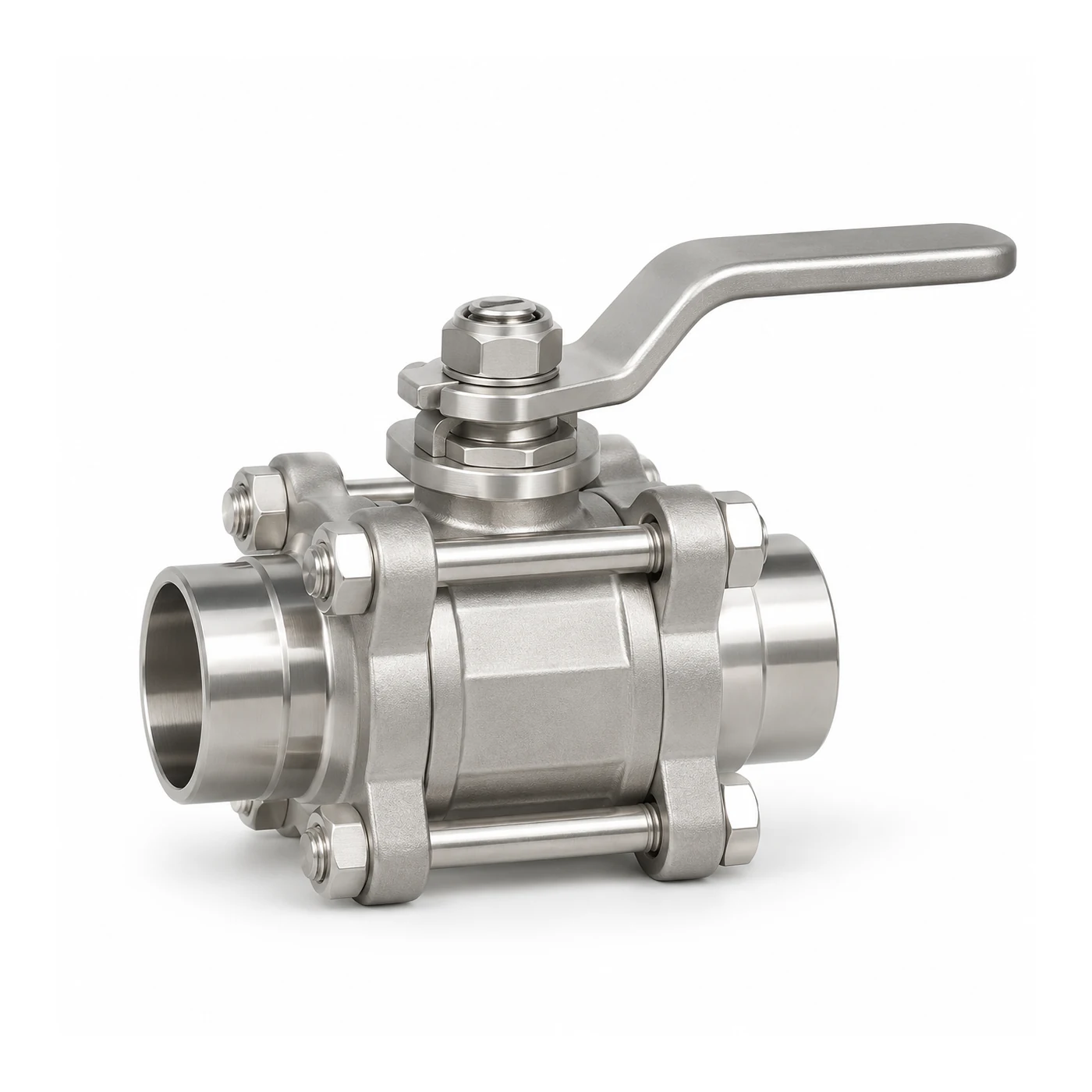
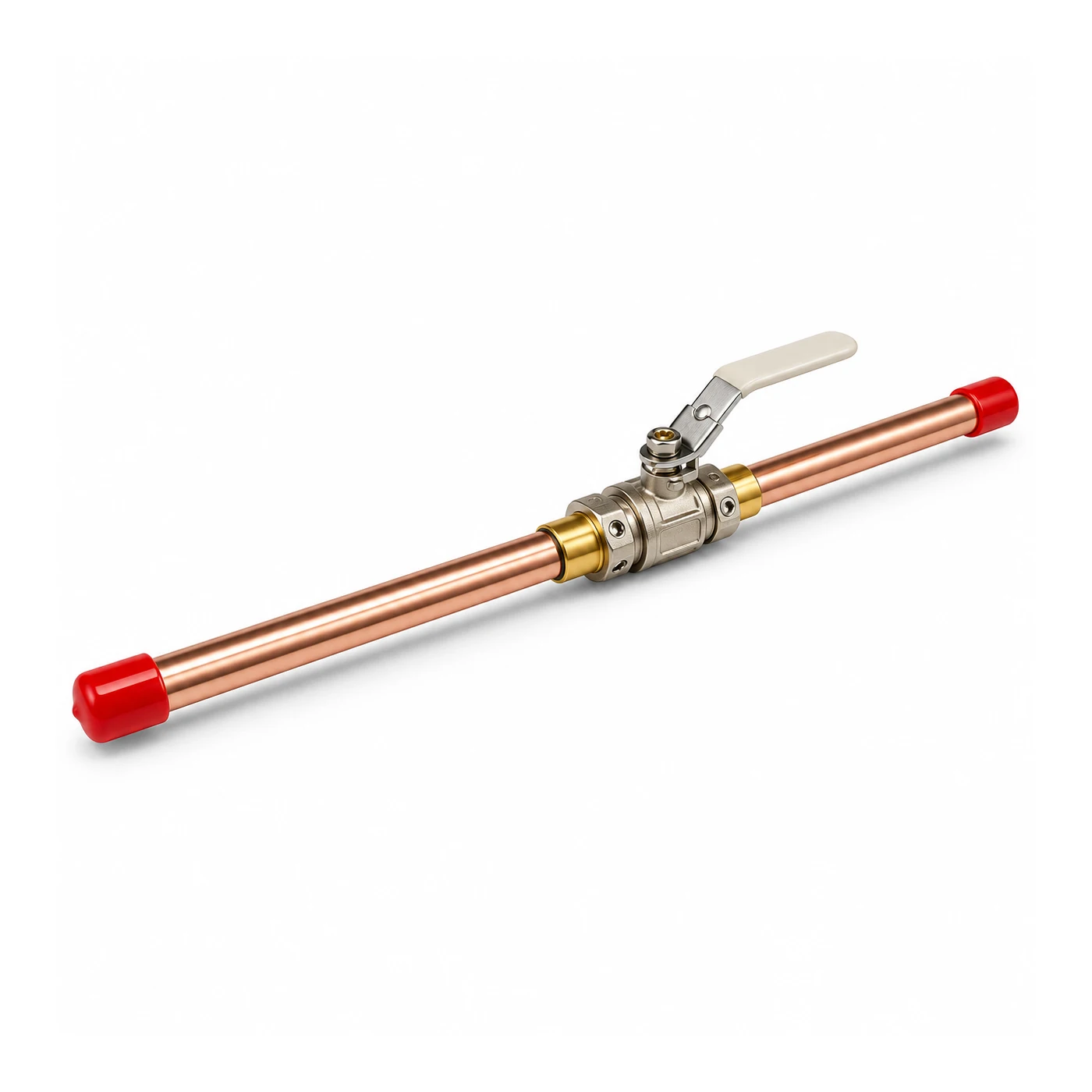
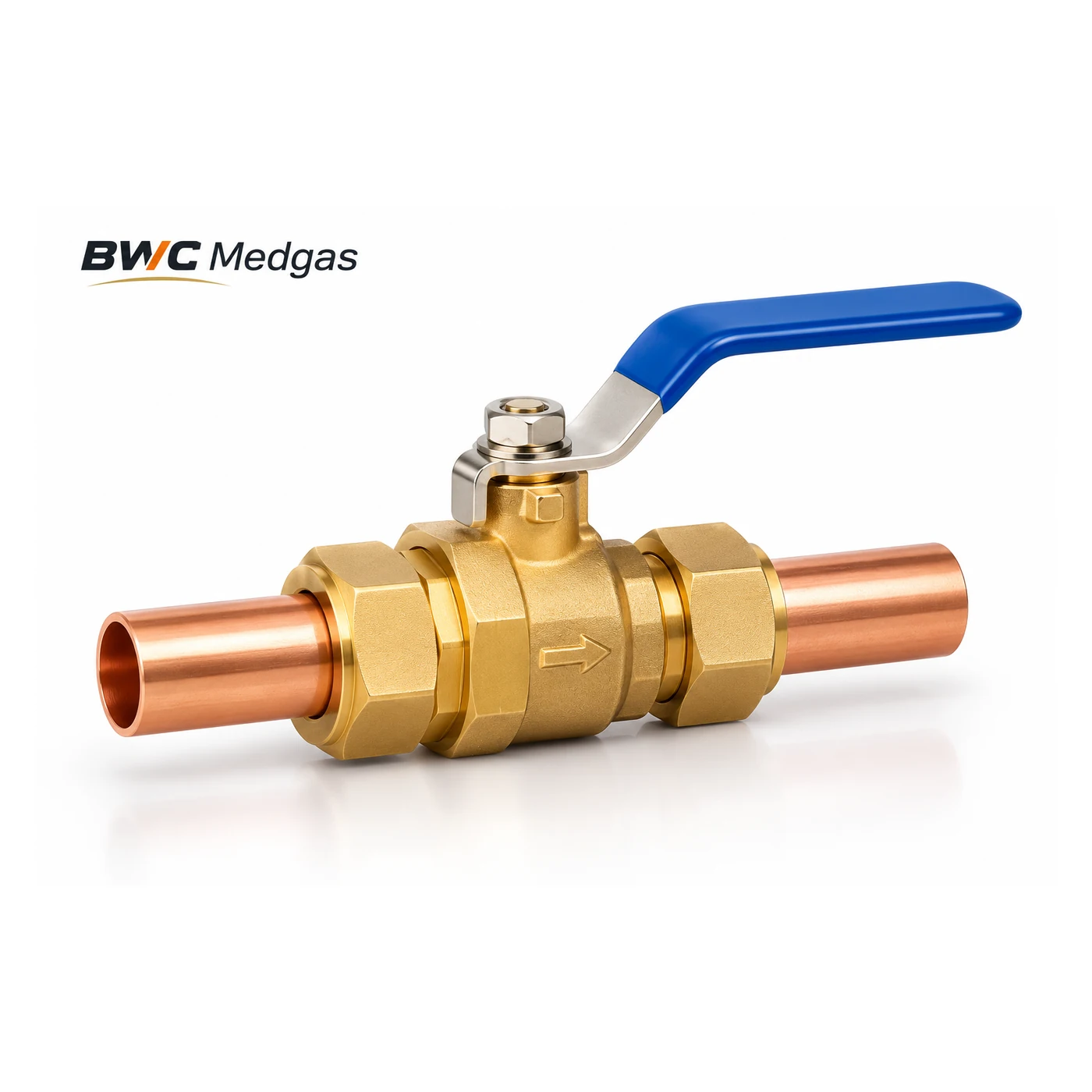
Replacement items might include manifold regulator assemblies, pressure gauges or specified line valves. BWC Medgas can help identify components by model, nominal service and connections.
Send the approved manifold component schedule to BWC Medgas.
Turn the event into a maintenance improvement
Close a recurring changeover fault with a documented cause or clearly assigned unresolved investigation, correct service evidence, and an updated maintenance plan. Watch for recurrence during the specified follow-up period. A replacement part is not evidence of a resolved fault until the relevant performance and alarm interfaces have been verified.