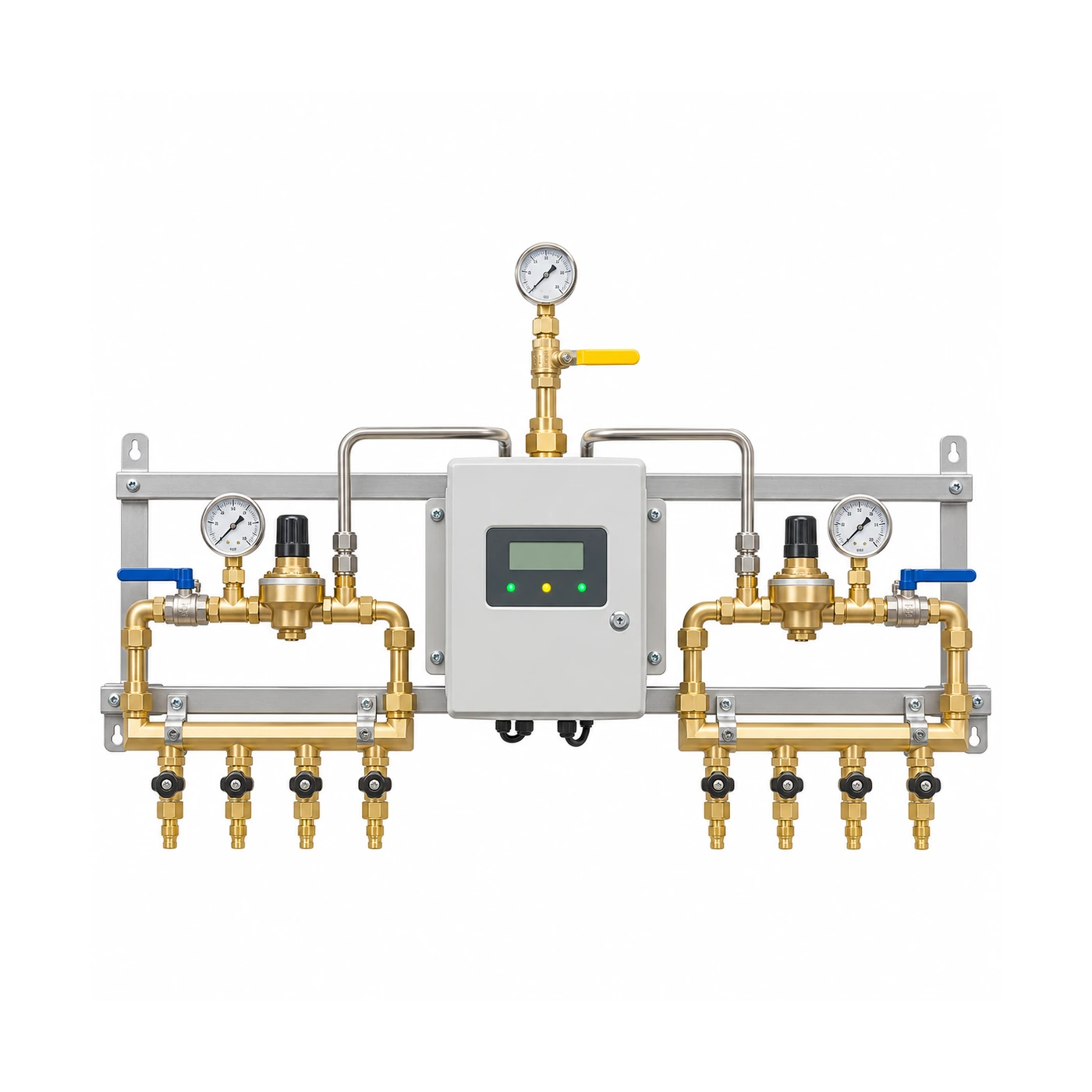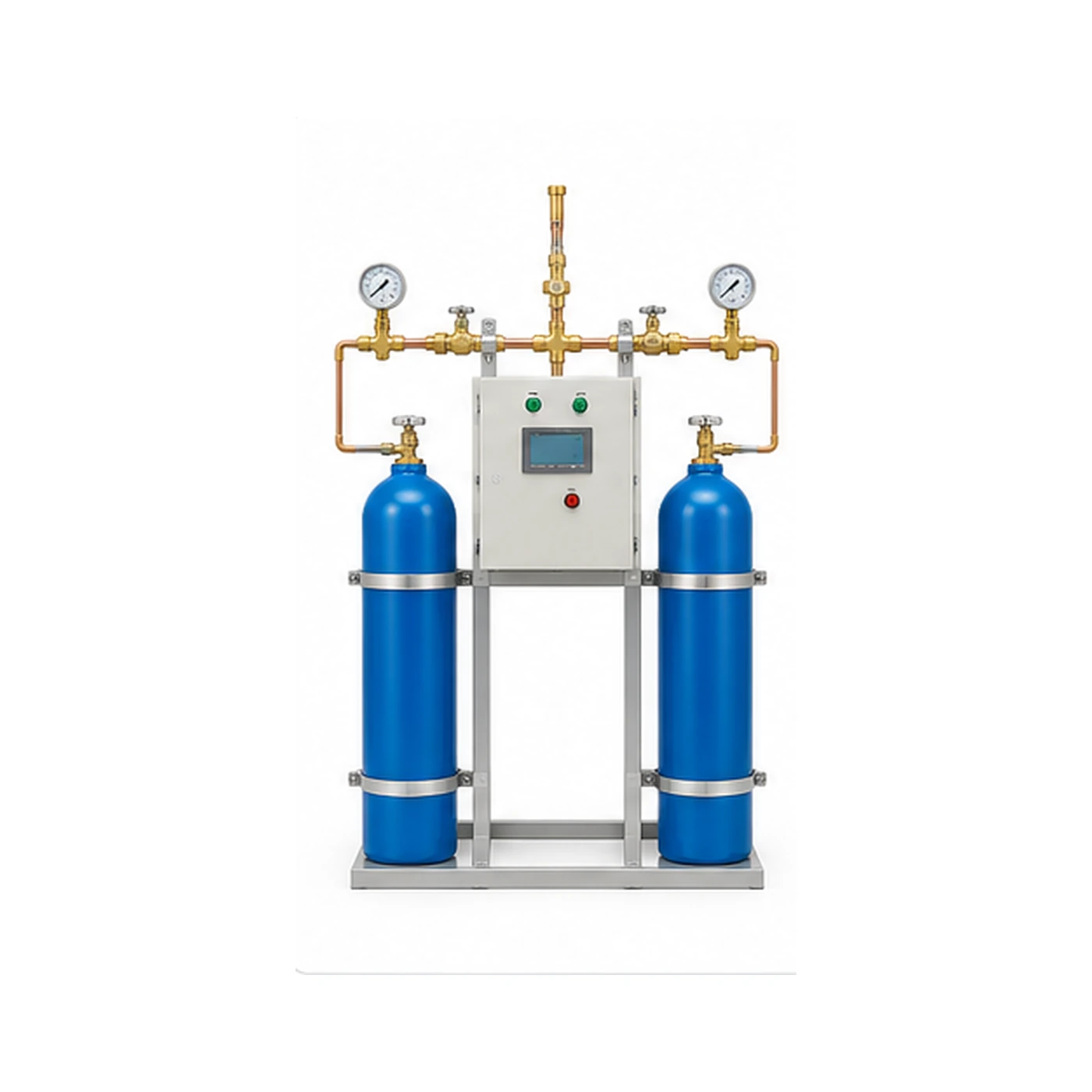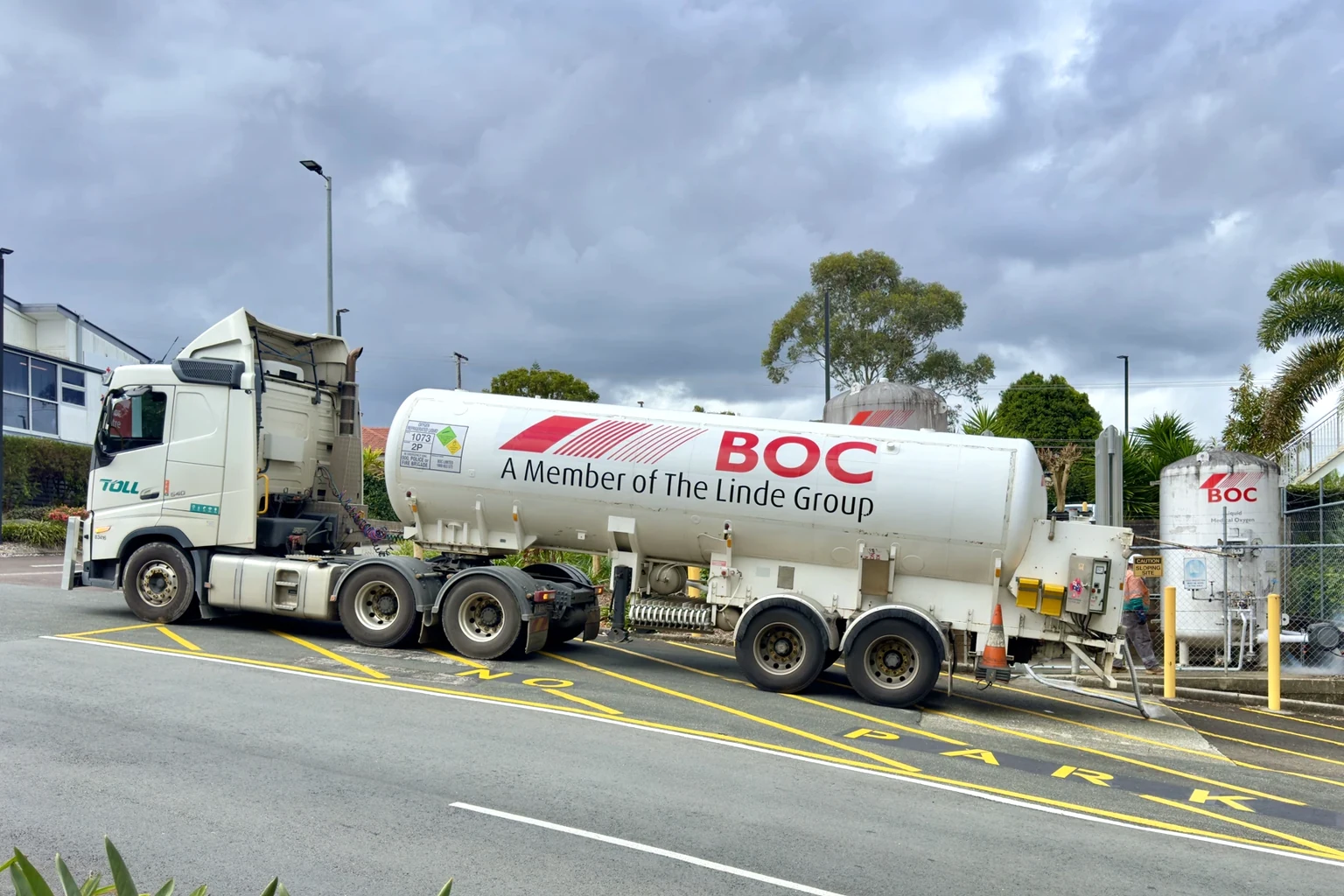
An existing hospital may want to replace a failing oxygen plant, add bulk oxygen storage, upgrade a medical-air source or modernize an outdated vacuum installation. The most difficult part is often not selecting a new equipment model. It is establishing how the new source will integrate with an occupied healthcare facility and what evidence authorizes its use.
This guide organizes the work into survey, design, procurement, integration, verification and handover stages. Actual work affecting an operating MGPS requires site-specific permits, competent personnel and the approval of the healthcare operator.
Stage 1 — Survey existing facts before promising a swap
Obtain the current source architecture, as-installed P&ID, equipment/asset register, recent maintenance records, alarm list, quality evidence and current demand information. Identify the actual source outlet, downstream interfaces and what clinical areas are served.
Where documents differ from installed conditions, record the discrepancy and designate a qualified team to resolve it. A legacy source drawing cannot establish compatibility by itself.
Also identify whether the project is changing technology (for example from cylinders to PSA) or only replacing a like-for-like assembly. The intended medicinal-gas product, source system arrangement and quality responsibilities may change.
Stage 2 — Define the approved new design duty
The design authority must establish the current and future clinical demand, source performance, service quality, availability and required system resilience. Record the intended upstream technology, approved duty and downstream connection conditions with version-controlled documents.
Do not copy the old plant's rated output as the new requirement without confirming current demand and the design assumptions. A hospital may have expanded clinical services since the earlier installation.
If the project introduces oxygen 93 or synthetic medical air, review the appropriate product, quality and local regulatory obligations rather than assuming a generic substitution is allowed.
Stage 3 — Map the physical and contractual boundaries
Create an interface register for existing source, proposed plant, pipeline distribution, monitoring, site utilities, structural works and clinical operations. State who owns design coordination, supply, removal, installation, testing and operational acceptance for each boundary.
A replacement quote that excludes the final pipe connection or source alarm interface must say so. Mark interfaces that need additional engineering approval before ordering.
Stage 4 — Plan clinical continuity and phasing
An occupied-hospital project requires an approved method of managing any service impacts. Identify the clinical owner, affected departments, required contingencies, operator/authorized-person appointments, permits, access limits and documentation needed before each project phase.
The schedule should distinguish new equipment installed, new source verified, site operationally authorized and old source decommissioned. These events are not automatically simultaneous.
Do not schedule a connection merely because the equipment delivery date is confirmed.
Stage 5 — Specify procurement and factory evidence
Ask the source supplier for exact equipment models, utilities and service obligations, configuration drawings, controls/alarm interfaces, quality evidence, spare parts, training and the agreed factory test plan. The contract should state what evidence will be generated during site installation and acceptance and by whom.
Compare complete packages against the same interface schedule. Identify whether any valves, monitoring components, regulators or other downstream hardware are included.
Stage 6 — Verification and operational authorization
The project's approved commissioning and testing plan should cover the new source and its connection to existing distribution, relevant gas quality/identity checks, required performance cases, monitoring and alarms, and the operator's handover needs.
The 2026 NHS SHTM 02-01 page lists specific MGPS test and acceptance records. Their value here is that the final evidence is organized by system function, not reduced to a single “plant started” certificate.
Only the appropriately designated authority can accept and authorize the installed system for clinical service under the applicable governance regime.
Stage 7 — Transfer the maintainable system
A complete handover should provide as-installed drawings, source equipment register, product documentation, relevant quality and test records, alarm schedules, operational manuals, maintenance plans, spare part information, training evidence, service contacts, outstanding issues and agreed asset ownership.
A hospital should be able to trace which source serves a given zone and which supplier supports the equipment without reopening the contractor's commercial email history.
Example of a useful replacement milestone register
- SUR-01: existing source configuration verified — approved survey.
- DES-02: future clinical demand and source duty accepted — signed design basis.
- IF-03: plant-to-pipeline and alarm interfaces approved — controlled schedule.
- PRC-04: equipment models and exclusions settled — contract schedule.
- VER-05: required site quality, performance and alarm evidence complete — test dossier.
- OPS-06: hospital operator approval and handover — formal release record.
The identifiers are examples; actual approvals and procedures are dictated by the site and governing rules.
Where BWC Medgas contributes
BWC supplies selected components such as medical gas valves, pressure regulators/accessories, source-related manifolds and medical gas alarms. It does not claim to deliver complete generation/source plants or to approve clinical changeovers.
Send the approved source replacement interface list to BWC Medgas.
FAQ
Does replacing a failed plant with the same model avoid a design review?
Not necessarily. Clinical demand, site conditions, interfaces and legal requirements may have changed; the appointed authority should determine the required review.
Is successful factory testing sufficient to start clinical use?
No. Site-specific integration, verification and operator authorization remain separate.
Primary technical references
- NHS England — HTM 02-01 (2026), design and operational management
- NHS Scotland — SHTM 02-01 (2026), records and commissioning
- ISO 7396-1:2016 — Source replacements and modifications within scope
- WHO — Technical specifications for oxygen supply, storage and distribution
- UNICEF — Oxygen source planning and needs assessment