Weak clinical suction is often reported as a bedside problem, but the source of degraded performance can be anywhere from the patient interface to the vacuum pump plant. Changing a suction regulator because it is nearest to the patient can conceal the real failure mechanism or introduce further compatibility issues.
ISO 7396-1:2016 covers medical vacuum pipeline systems. The 2026 NHS England and Scottish medical gas guidance informs operational management, while the [Joint Commission's high-risk utility maintenance guidance](https://www.jointcommission.org/en-us/knowledge-library/support-center/standards-interpretation/standards-faqs/000001340) supports site-specific maintenance strategies.
Start with an observation map
The clinically reported symptom must be associated with a location, time, affected equipment and specific service. Do not assume an oxygen-style pressure gauge interpretation applies to vacuum systems. Record measurement sign, absolute versus gauge reference and approved instrument information.
| Observation | Possible system boundary to examine | Evidence |
|---|---|---|
| One weak suction point | Regulator, collection assembly, probe, terminal or nearby branch | Location, equipment ID, comparable observations |
| Several rooms on one floor | Shared distribution branch or zone condition | Floor/riser schematic, logged measurements |
| Hospital-wide loss | Source plant, power or major distribution issue | Source alarms, backup status, plant log |
| Intermittent loss with high use | Demand variation, plant duty control or instrument issue | Time-linked usage and plant trend |
| Repeated pump/plant alarms | Source equipment or measurement fault | Duty cycles, maintenance/repair history |
A single reading from the pump room cannot establish adequate performance at the affected terminal during maximum clinical demand.
Separate three maintenance boundaries
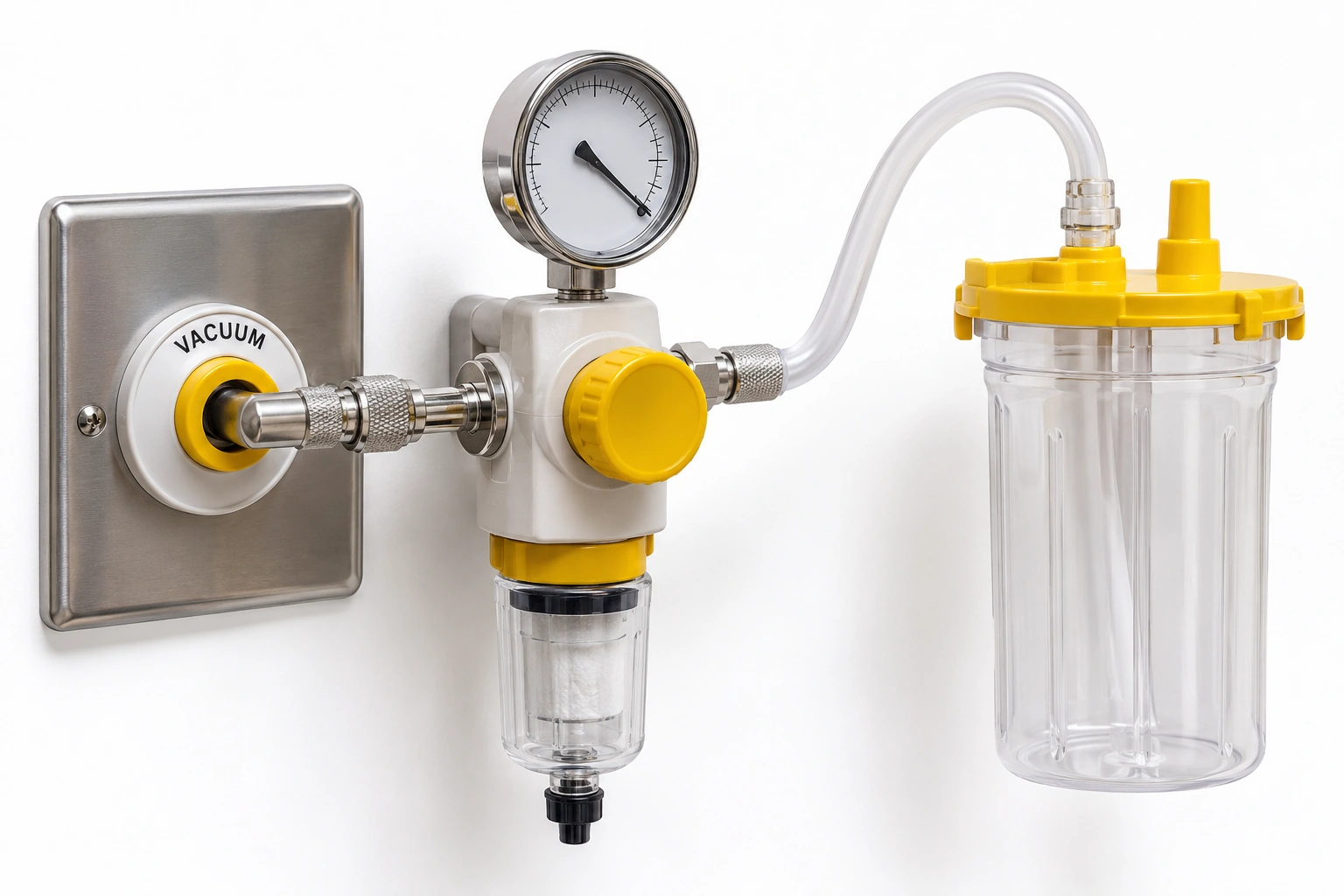
Patient-side accessories: suction regulators, jars, traps, hoses and disposable clinical materials should follow the responsible equipment maker's procedures and infection-control plan.
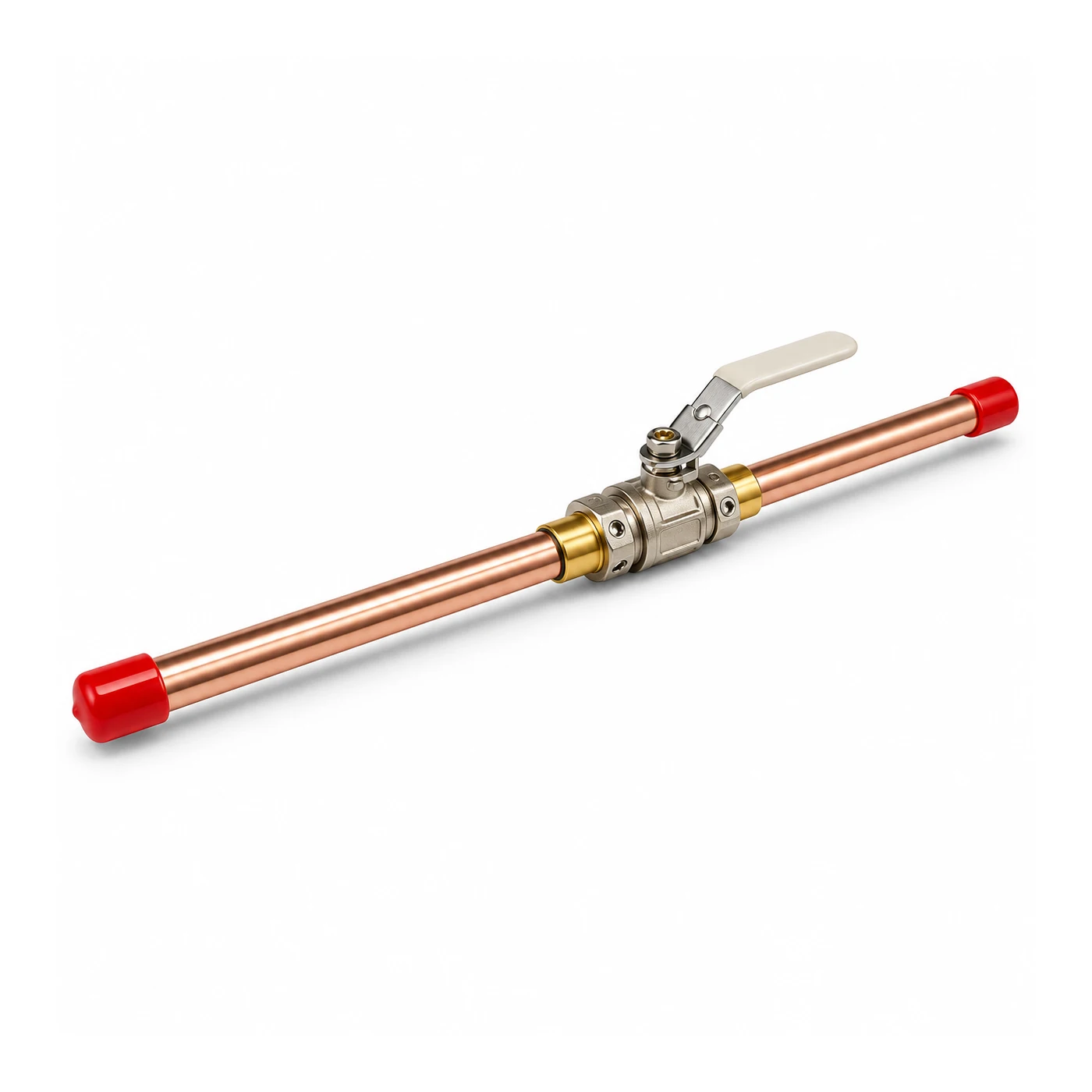
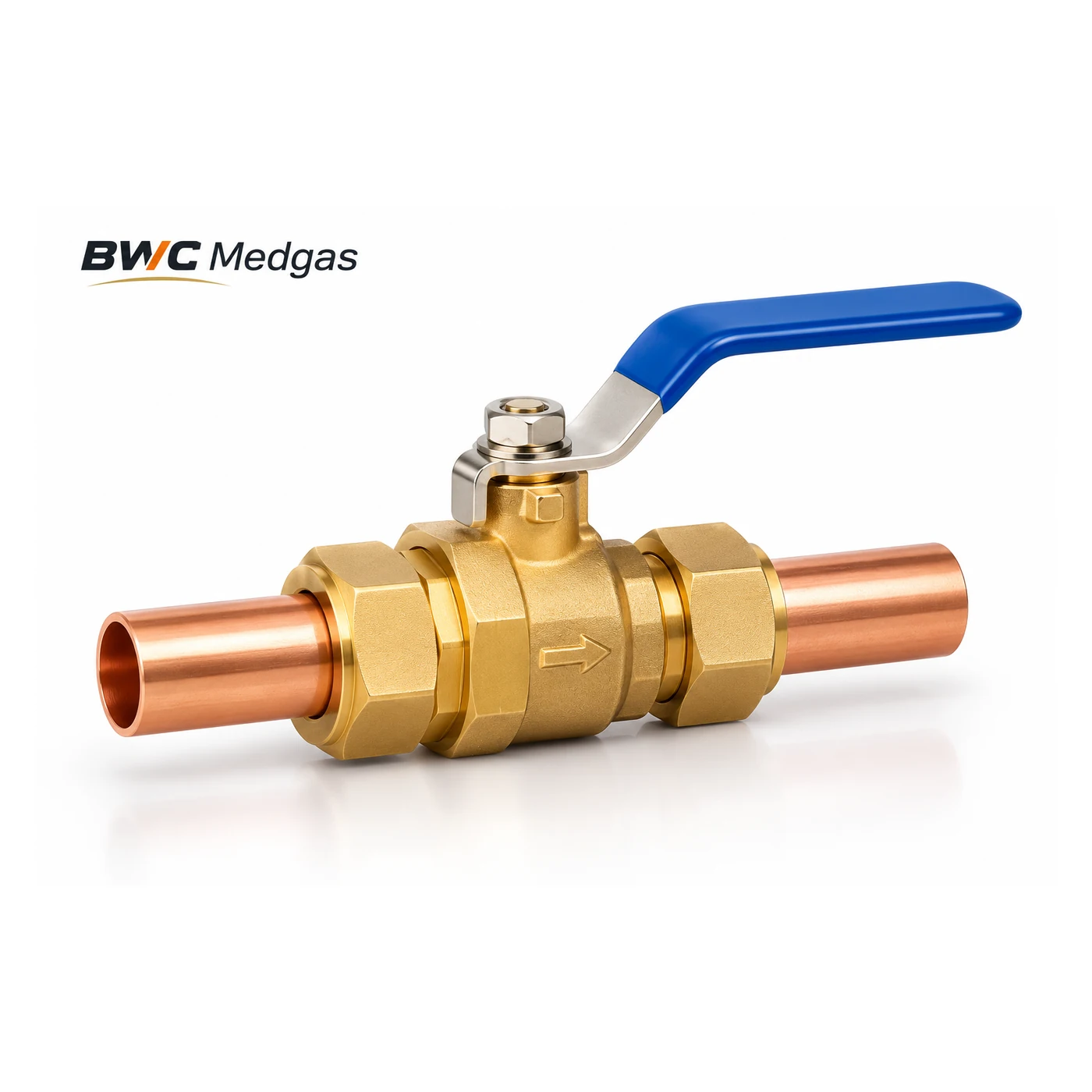
Fixed terminal and branch: service-specific outlet condition, valve identification, leak and functional verification are part of the approved medical gas infrastructure programme.
Central plant: vacuum pumps, receivers, separators, filters, controls and standby arrangements require specialist plant maintenance and performance review. The system is not fully accepted because an individual pump starts.
Infection-control and contamination evidence
Vacuum equipment and associated collection accessories may be exposed to biological contamination. Plan inspection and maintenance using the hospital's documented infection-control process, protective equipment requirements, access controls and disposal arrangements. Do not open a contaminated trap or piping section on an assumption that the equipment is clean.
Maintain records for authorised inspection or exchange of filters and collection accessories. The correct location of a filter or bacterial-protection element depends on the installed design and manufacturer instructions.
Example: ICU reports slow suction during peak demand
A critical-care unit reports weak suction at several beds while an outpatient room remains normal. This pattern suggests the need to map clinical zones and compare contemporaneous observations with source plant duty and distribution history. It does not, by itself, prove the pumps are undersized or that all bedside regulators need replacement.
The responsible engineering and clinical teams should establish safe temporary arrangements while a qualified investigation proceeds. Any invasive test or repair requires controlled work and appropriate return-to-service evidence.
Maintain the important records
Useful files include source duty and standby observations; planned maintenance on pumps and controls; terminal and zone valve mapping; verified measurements; contamination precautions; alarm incident history; and work-order closure after failed or abnormal events.
Spare vacuum regulators and gauges, vacuum service valves and suitable medical gas outlets must match the approved pipeline service and connection system. BWC Medgas can review specified component requirements, rather than recommend a replacement pump without a specialist plant assessment.
Discuss vacuum-system component compatibility with BWC Medgas.
Verify and prevent recurrence
Return-to-service decisions should demonstrate the affected service boundary meets the adopted requirements. Retain failure evidence, actual repairs, witnessed tests and follow-up observations. Repeated fault reports at one clinical zone warrant examination of the zone's shared distribution and usage—not only repeated patient-side accessory replacement.