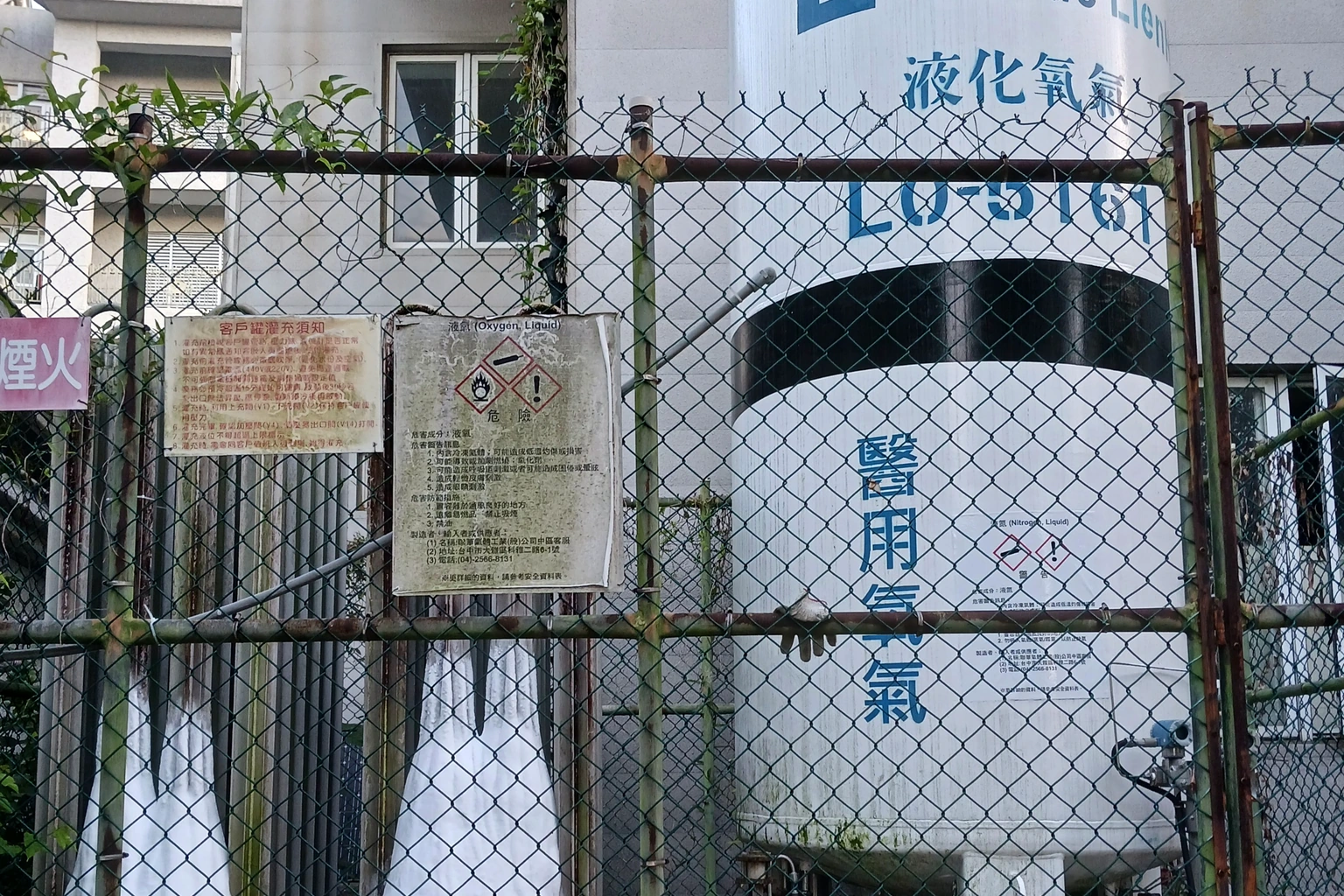
A gas supply arrangement may look redundant on a drawing but still have a single point that can interrupt the entire clinical area. Two separate storage banks feeding a shared vulnerable connection, an inaccessible valve or an alarm that cannot identify the affected zone can each undermine a continuity plan.
Resilience review should therefore examine the complete medical gas service from source to patient-care location, including human response and clinical consequences. It is not achieved by buying one more manifold component without a system risk assessment.
Define the clinical consequence of service interruption
Start by identifying the clinical functions served: emergency care, critical care, operating rooms, inpatient wards and other areas may have different operational consequences. Have the facility and clinical owners identify which locations must remain supported during planned maintenance, source changeover or a credible equipment failure.
Do not assign a generic “critical” rating based only on a floor-plan label. Link each consequence to the actual patient services and the facility’s emergency plans.
For each gas or vacuum service record the system boundary, critical consumers, expected duration of disruption, available contingency arrangements and the responsible decision-maker. Treat medical air, oxygen, vacuum and surgical tool gas as separate service assessments.
Work through credible failure scenarios
A practical scenario register includes:
- Loss of a normal source while the alternate source remains available.
- Failure at a shared header, connection or control point.
- Failure of a single zone isolation component or inability to reach it safely.
- Loss of a monitoring/alarm function or its power/communications path.
- Planned maintenance requiring temporary service restrictions.
- An unexpected room demand change or downstream connection problem.
- An external event affecting access, logistics, replenishment or supporting infrastructure.
For each scenario, record what fails, what remains available, who is notified, what clinical area is affected and what evidence demonstrates the planned response. A supplier catalogue normally cannot answer all five.
Ask whether “redundant” elements share the same exposure
Two components can share a common failure mode. Review physical location, source connections, electrical dependencies, controls interfaces, maintenance access and staff response. An alternative supply is only useful if the facility can use it under its approved operational arrangements.
Where source selection, plant design and continuity arrangements are outside a component supplier’s scope, retain those responsibilities with the appointed designers and hospital operator.
Make isolation boundaries part of resilience
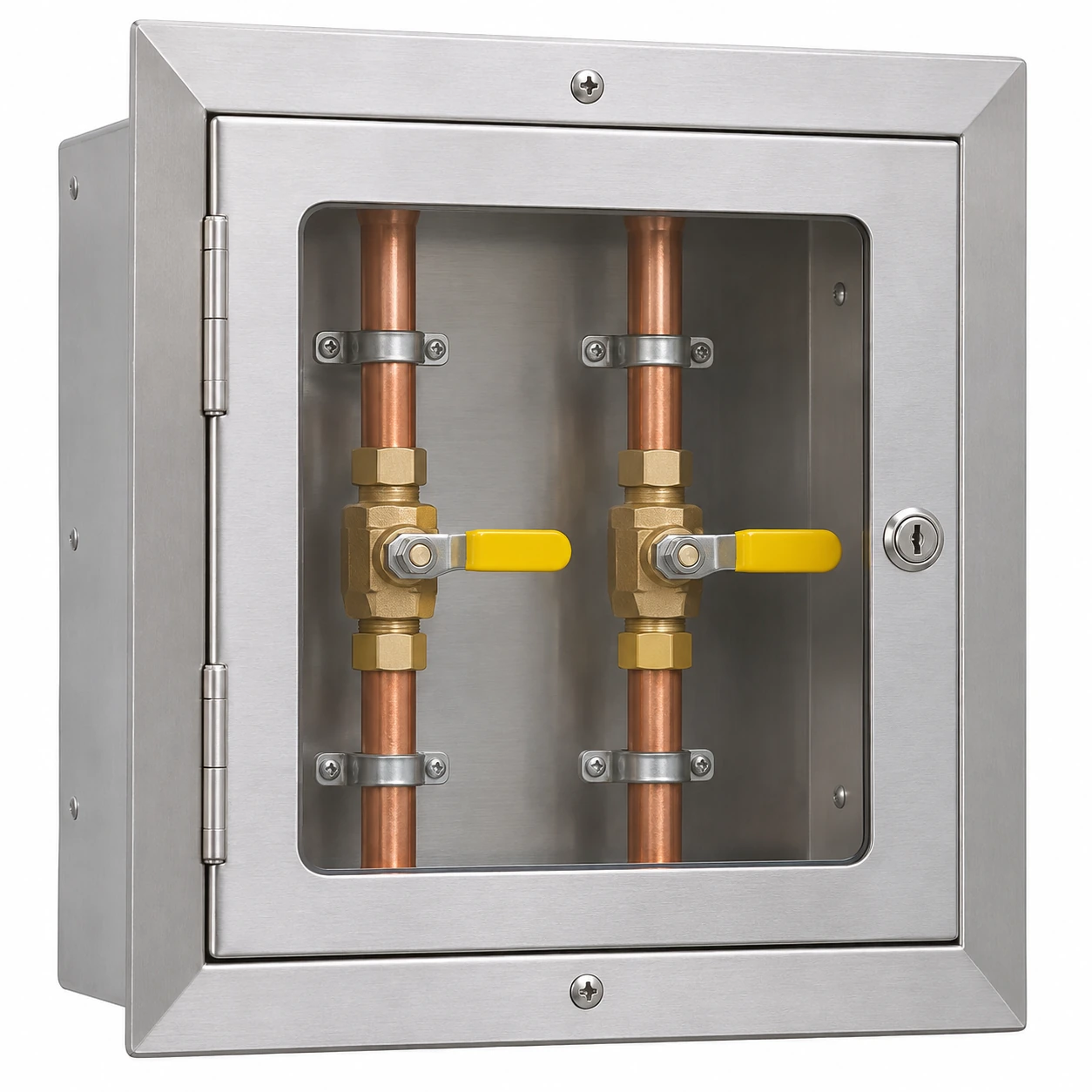
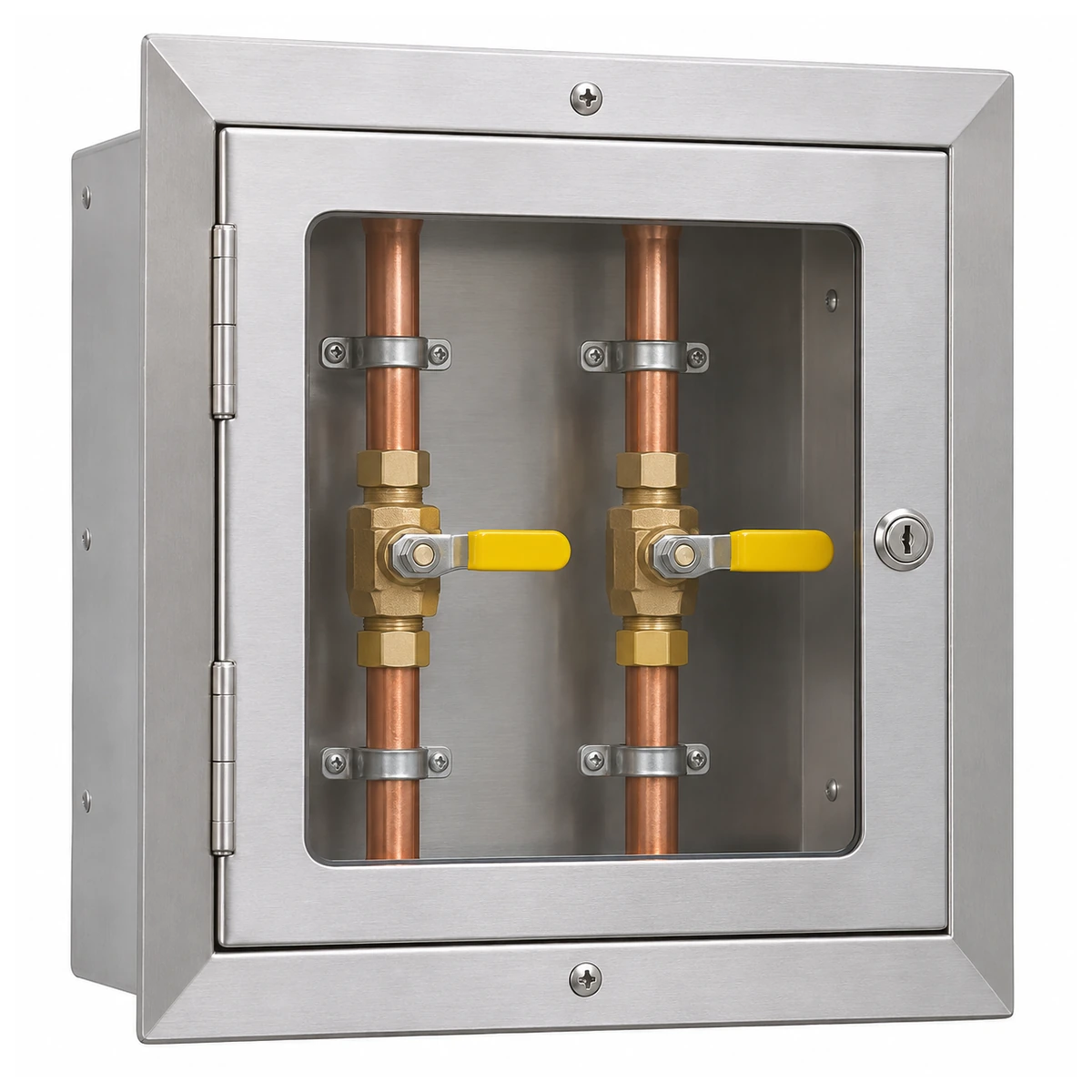
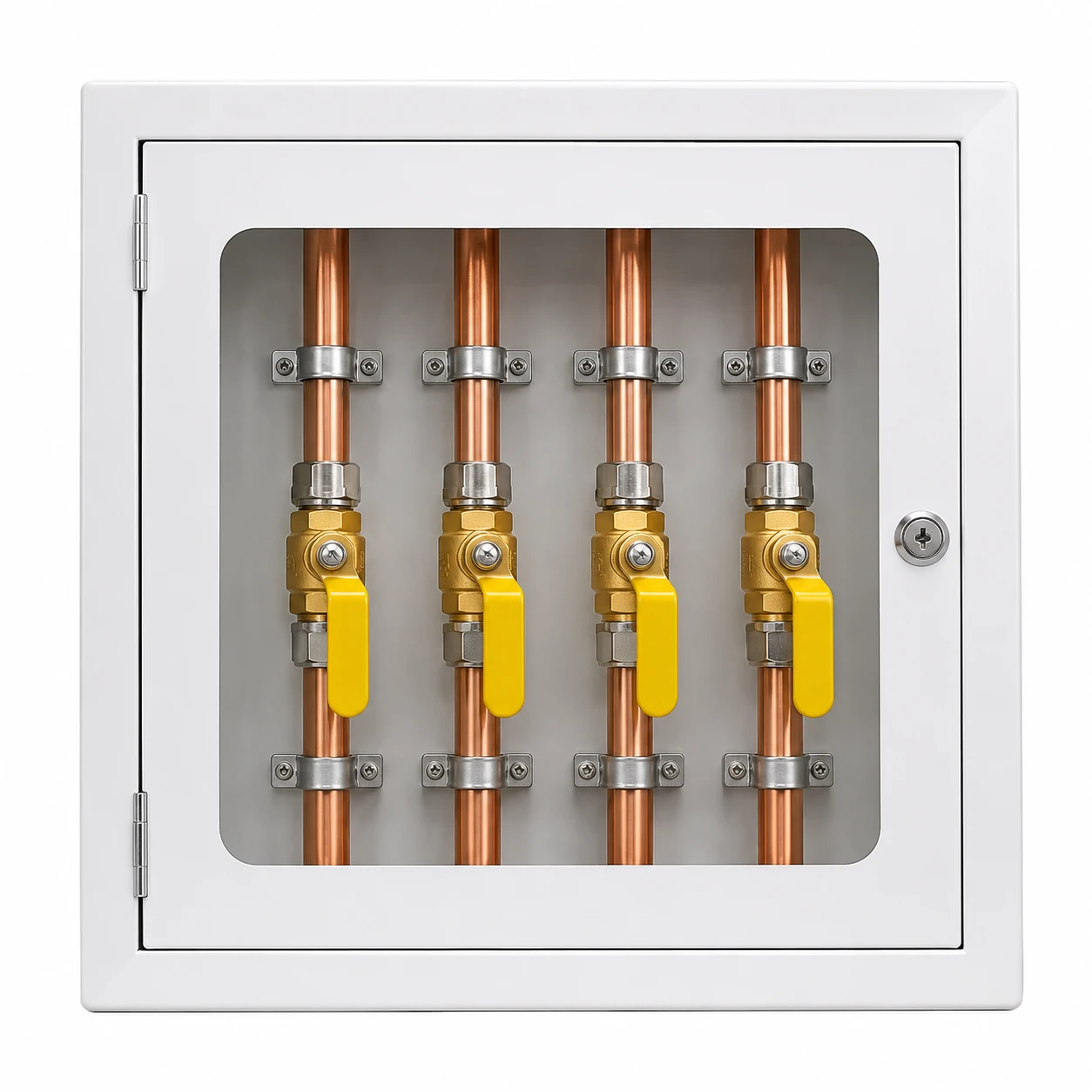
Area valve zoning determines what parts of the hospital can be isolated during specific work. An isolation arrangement that serves an overly broad clinical area may create unacceptable disruption even though it uses technically adequate valves.
The design review should connect room IDs to AVSU or valve zones and test how planned maintenance or a fault might affect service availability. Record whether the final enclosure is accessible, correctly identified and coordinated with alarm references.
The review is not an instruction to operate live valves or conduct fault simulations in occupied patient-care areas.
Treat alarms as information, not merely hardware
An alarm is useful only if its meaning, monitored service, location, responsible recipient and response arrangements are defined. Verify that the system architecture includes the monitoring points and alarm interfaces required by the applicable design.
For procurement, avoid comparing two panels only by the number of LEDs or channels. Their actual functions, signal compatibility, location and handover tests matter.
Build an evidence-based resilience register
For each risk, include: service, zone, failure mode, expected clinical effect, existing design protections, unresolved dependency, owner and required approval. Link the final register to controlled system diagrams, alarm schedules and the project’s commissioning/handover evidence.
A useful review outcome is a documented decision to accept, redesign or further study each concern. “Supplier confirms redundancy” is not adequate unless the exact system condition and evidence are identified.
Example: a deceptively simple valve-location problem
A hospital plan locates one area valve box inside a locked room that becomes inaccessible to estates staff after a department refurbishment. The hardware itself may be sound, but the arrangement can compromise maintenance and emergency access.
The engineering response is to resolve accessibility, clinical zone impact and approved labeling in the design stage. Buying another identical box without correcting the physical and operational arrangements would not solve the underlying issue.
Procurement and BWC Medgas
The facility’s design authority determines the system resilience strategy. BWC Medgas can discuss specified zone valve boxes, medical gas alarms, isolation valves and manifold-related components when the project has established the relevant interfaces.
Send the reviewed component schedule to BWC Medgas.
Frequently asked questions
Does a second cylinder bank automatically make an MGPS resilient?
No. Shared piping, controls, access and operational arrangements can still introduce common-cause vulnerabilities.
Should resilience be checked only at the supply source?
No. Distribution, isolation, terminals, alarms and clinical response are all part of the service continuity assessment.