

A completed MGPS installation may look finished while important handover evidence remains scattered between subcontractors. The hospital may receive a pile of product brochures but no verified zone plan, or a signed test form with no drawing revision.
A handover dossier index turns the closeout process into a traceable set of evidence. Its content and sign-off must follow the applicable jurisdiction, contract and healthcare operator requirements; this article supplies a practical organization method.
Define the deliverables before installation begins
The dossier should be specified during design and procurement—not assembled for the first time on the day of handover. For each required record, name the producing party, review/acceptance party, target project milestone and linked equipment/service.
For multi-building projects, index records by building, floor, gas service and valve zone where appropriate. A hospital operator should be able to find what serves a specific clinical room without reading hundreds of unsorted documents.
A suggested dossier structure
01 — Approved design basis and scope
Include the clinical services brief, approved system diagrams, relevant calculation and design assumptions, source/zone arrangements and documented deviations from the originally approved scope.
02 — As-installed drawings and asset identification
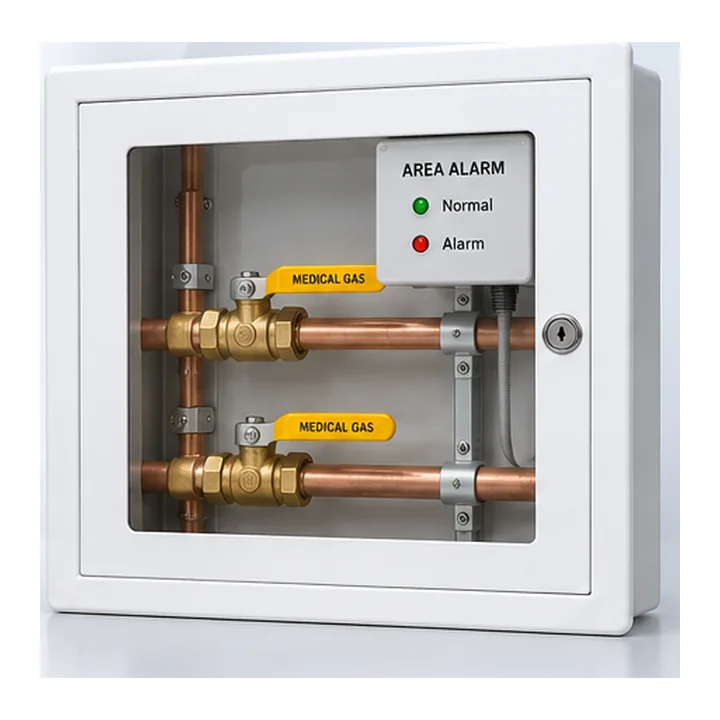
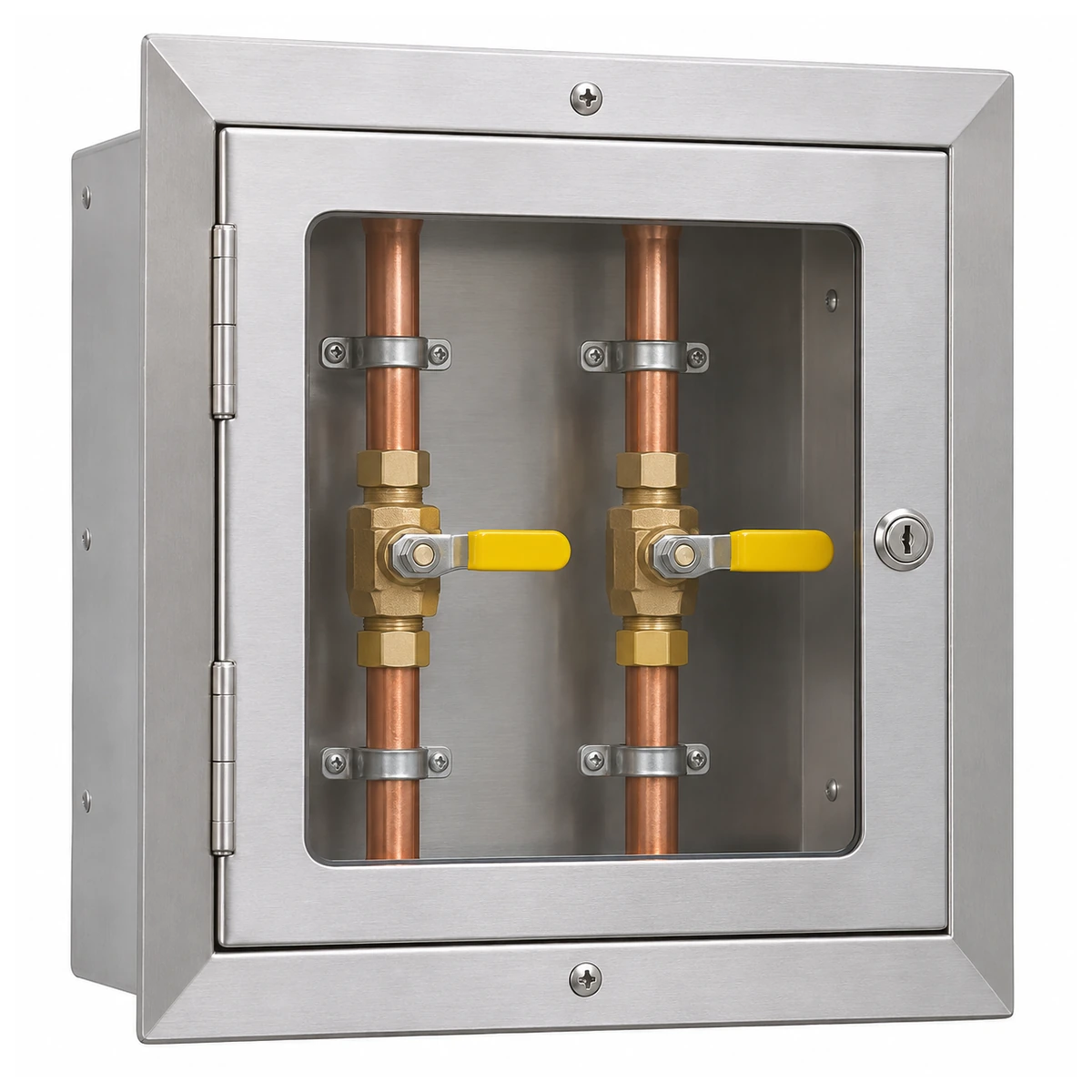
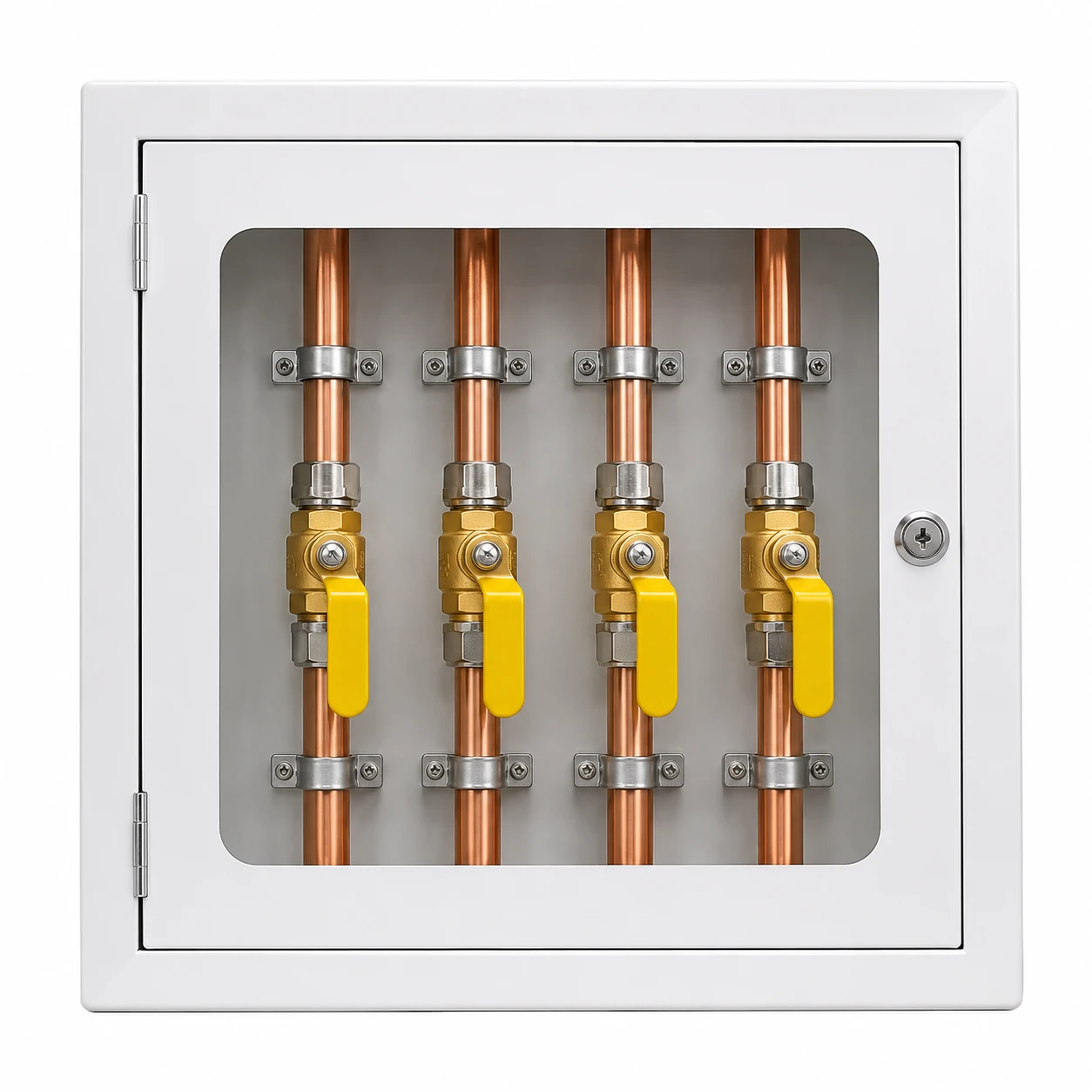
Include current schematics, floor plans, riser drawings, valve zone boundaries, terminal schedules, equipment tags and the final drawing index. Identify superseded documents so they are not accidentally used during maintenance.
03 — Equipment-specific records
Include the actual manufacturer/model, relevant datasheets, connection/interface drawings, serial or batch records where applicable, supplied accessories, declarations and other contractual equipment evidence. A catalogue covering 100 products is not an exact record of the ten models installed.
04 — Installation and construction evidence
Include required inspection forms, tests applicable to the installation stage, markings and supports evidence, installation changes and any nonconformity/corrective-action records.
05 — System testing and verification
Include the site-specific, required records of valve/zone checks, terminal identification, alarms, relevant supply performance, gas-specificity, quality and any other verification required by the governing project documents. Do not label an unperformed test “not applicable” without approval.
06 — Operational acceptance and maintenance
Include operating responsibilities, relevant training records, maintenance and inspection information, alarm response references, spare component information, and the organization’s approved procedures for operational control.
Use an evidence index with status and revision
For each record store the document ID, service or asset, title, revision, date, document owner, reviewer, acceptance status and any open punch-list item. A binary “received/not received” column cannot show that the submitted document was rejected or refers to the wrong revision.
A useful tracking state progression is: requested → submitted → reviewed → accepted, with a separate state for rejected/resubmission required. The designated authority must decide the actual acceptance criteria.
Learn from a published testing form index
The NHS Scotland 2026 SHTM 02-01 publication provides a public index of forms A1–A24. These cover, among other topics, carcass/second-fix pressure tests, area valve tests, terminal-unit schedule and gas-specificity checks, plant and alarm performance, gas identity and quality, completion and sectional completion records.
Use the relevant national forms or contract-specific equivalents; do not duplicate the forms blindly across jurisdictions. Their value here is to show how a serious handover package separates different verification subjects.
Handle partial and phased handover transparently
For a hospital wing opening before the entire campus project is complete, identify which boundaries and evidence are included in that phase. Keep records of temporary limitations, unfinished work and the specific release authority.
A sectional completion certificate does not necessarily imply every other area or source connection on the project is ready.
Three last-minute failures to prevent
- The as-installed zone drawing differs from the actual valve box labeling.
- The terminal model shipped differs from the drawing or product approval record.
- Alarm documentation exists but does not identify which monitored signal corresponds to each clinical service.
Each is an evidence or coordination defect that should be resolved through the designated verification and acceptance process.
BWC Medgas component handover data
BWC Medgas can supply specified information on offered zone valve boxes, outlets, regulators, copper fittings and alarm panels. The facility and appointed project parties remain responsible for the installed system’s complete acceptance.
Request model-specific component information from BWC Medgas.
Frequently asked questions
Is an invoice and catalogue enough for an MGPS handover?
No. A purchase record does not establish the installed system arrangement, its tests or operational acceptance.
Can a hospital reopen a zone before every site-wide project document is finished?
This depends on applicable sectional/phase acceptance requirements, verified boundaries and the decision of the facility’s authorized responsible parties.