A hospital oxygen supply plan can fail because the team has prepared for equipment failure but not for a road closure, supplier disruption, prolonged power interruption, staffing gap or delayed replenishment. The continuity strategy must address both technical source availability and the operation needed to keep the source supplied and supervised.
This guide is for writing a facility-level contingency and supplier coordination plan. It does not authorize emergency switching, patient-care decisions or temporary modifications to an MGPS.
Identify the clinical services and supply dependencies
Begin with the hospital's approved room/gas demand schedule and the source architecture. Identify services dependent on oxygen, the equipment/source ownership boundaries and the facility's operational risk assessment.
Map the practical dependencies for each source type:
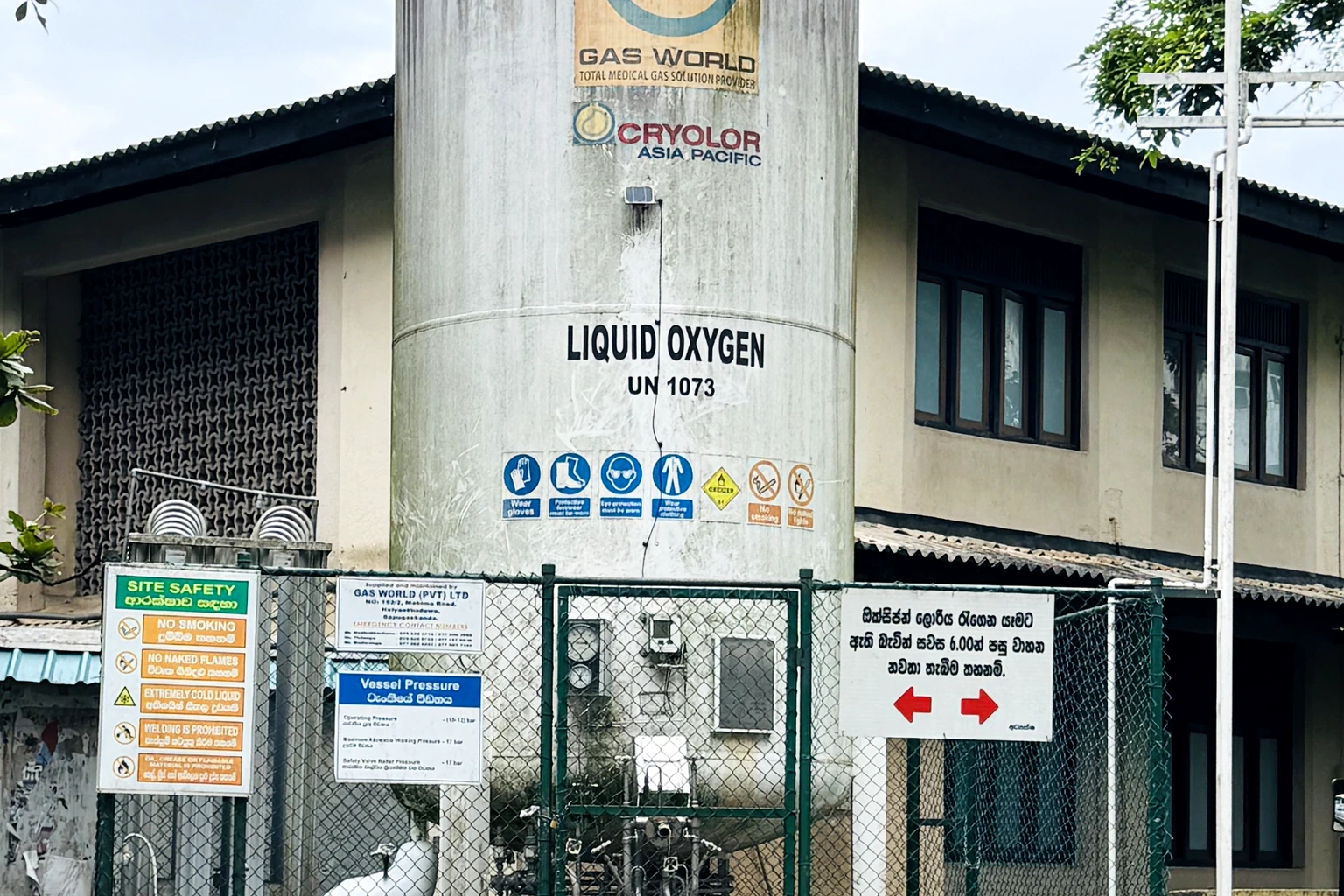
- Liquid oxygen: delivery routes, tank stock information, supplier dispatch and access.
- PSA oxygen 93: electrical power, air-treatment subsystems, maintenance support and quality monitoring.
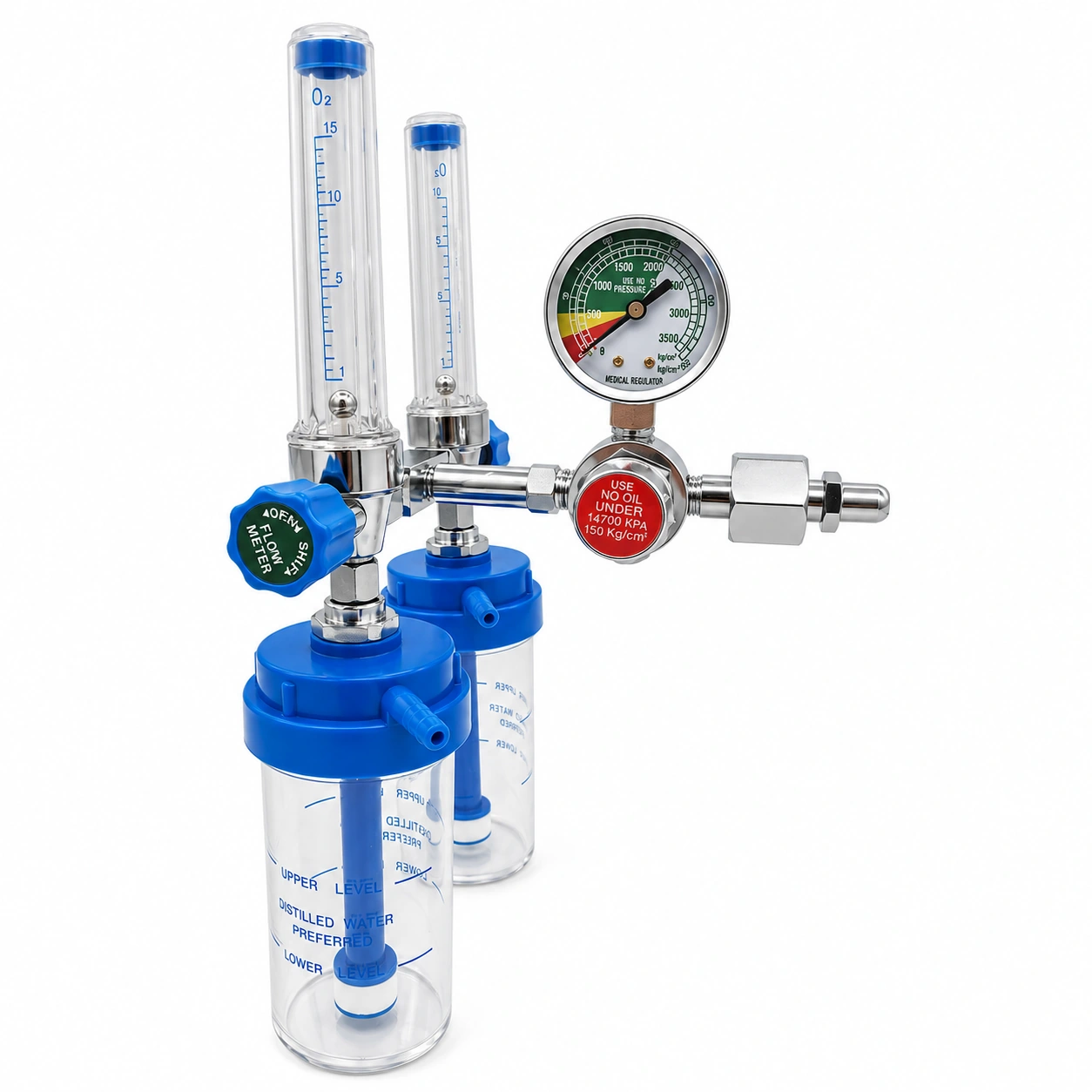
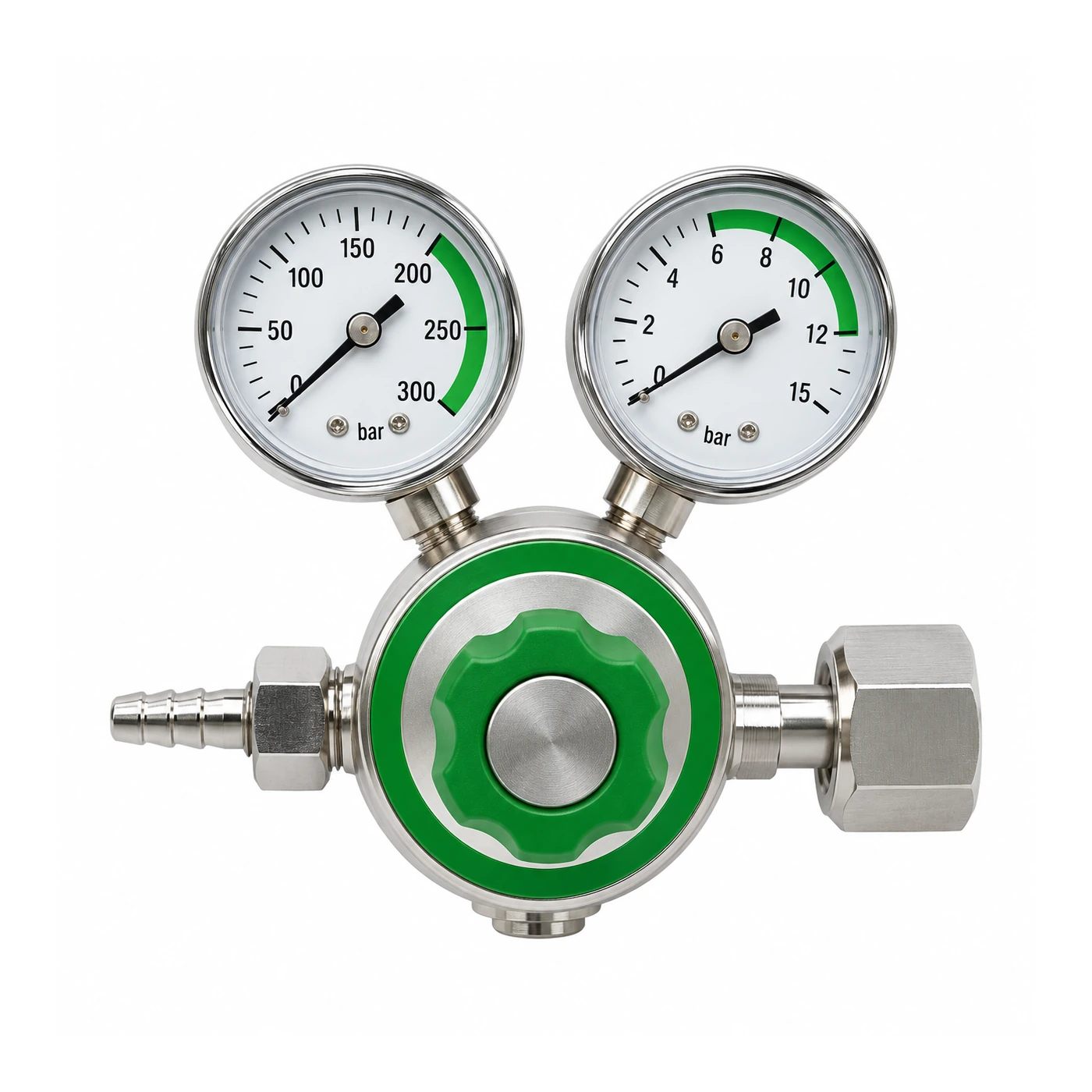
- Cylinder supplies: filling/return cycle, transportation, usable inventory, storage and appropriate manifold/service arrangements.
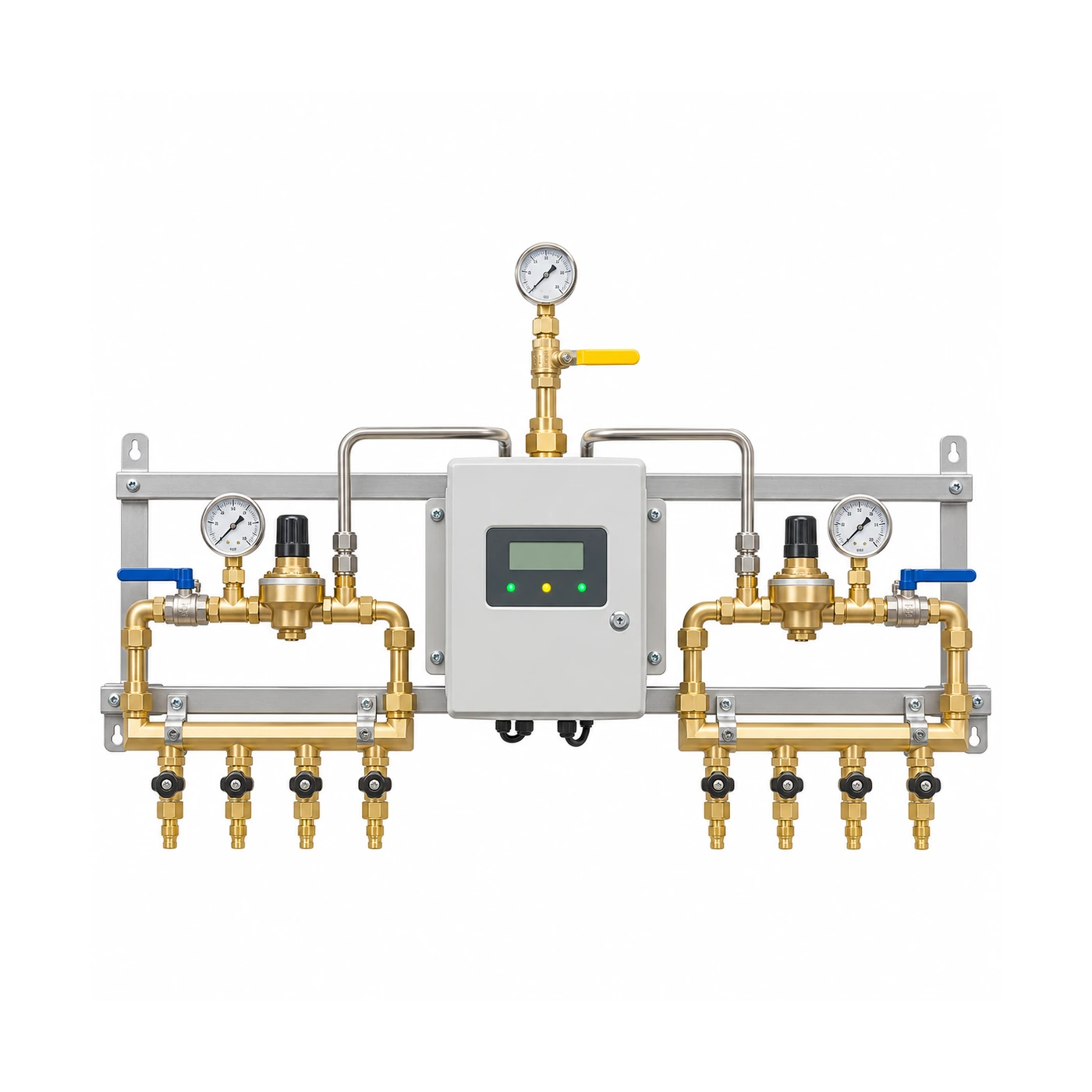
- Shared system: pressure regulation, alarms, pipework interfaces, competent operators and communication with clinical teams.
A list of alternate equipment is insufficient unless it is integrated into the approved source system and operating procedures.
Build a scenario-based continuity table
Suggested scenarios include unplanned shortage of delivered gas, source equipment fault, prolonged electricity outage, restricted tanker access, interruption to cylinder collection/replenishment, unexpected demand surge and missing responsible operational personnel.
For each scenario, record the affected gas service, indicator or source of information, possible affected departments, initial notification owner, approved clinical decision pathway, procurement/supplier escalation, documentation and condition for closure.
The operator's actual response and any medical-gas work are governed by its site-specific emergency procedures and qualified personnel; this article intentionally avoids telling users how to isolate or restore equipment.
Make supplier commitments measurable
A contract that promises “fast emergency support” is difficult to operationalize. Record specific contact channels and responsible functions for routine order, out-of-hours escalation, incident notification, replenishment confirmation and post-incident reconciliation.
Review what is actually agreed: delivery frequency, minimum order limits, response commitments, on-site access responsibilities, equipment maintenance availability, backup supplier feasibility and stock reporting. Some commitments will depend on regional geography and local licensing.
Keep the contact sheet current; a number that worked when the plant was installed may no longer reach the right person.
Track leading indicators rather than wait for failure
Good monitoring includes consumption trends against forecast, verified stock or operating status, overdue maintenance actions, unresolved source alarms, delivery delays and critical spare-part availability.
The purpose of monitoring is timely decision-making. Assign each trigger to a responsible person and approved operational policy. Do not create arbitrary clinical thresholds from generalized online advice.
Plan communications before an event
An escalation chart should state who contacts the designated healthcare operational authority, clinical lead, contracted gas supplier, maintenance team and external emergency support as appropriate. Include circumstances requiring the hospital to use its own emergency management process.
Do not instruct a procurement officer to alter source valves or substitute bedside cylinders for central supply without a formally approved procedure and competent oversight.
Example: conflicting delivery information
A liquid oxygen supplier says the refill vehicle will arrive “today,” while the hospital's telemetry report indicates rapidly declining inventory. The correct management action is to reconcile verified stock, delivery confirmation and approved contingency triggers through the designated facility authority.
The hospital should not treat an uncertain estimated arrival as an acceptable safety justification. Document the decision and timeline so the response can be reviewed afterward.
Procurement and cost implications
Resilience costs are part of a source's total cost of ownership. Consider the budget for monitoring, spare equipment, training, maintenance, emergency distribution logistics and contracted response capability. Evaluate source options against the hospital's actual exposure to electrical or transport interruptions.
UNICEF's Oxygen System Planning Tool supports scenario costs and source choices; it is a planning aid rather than operational authorization.
BWC's role
BWC Medgas can help specify and supply selected downstream MGPS alarms, manifold components, valves and zone valve boxes. Hospital-specific continuity design, medicinal-gas supply and emergency management remain the responsibility of the appointed parties.
Request compatible MGPS component information from BWC Medgas.
FAQ
Can a written contingency plan make a source arrangement technically redundant?
No. Documentation and actual engineering capability are distinct and both must be assessed.
Does the hospital need to consider non-equipment risks?
Yes. Supplier logistics, staffing, utilities and communication dependencies can affect continuity.
Primary technical references
- WHO — Technical specifications for health-facility oxygen systems
- UNICEF — Oxygen System Planning Tool, source alternatives and cost scenarios
- NHS England — HTM 02-01 (2026), operational management
- ISO 7396-1:2016 — System resilience and operational scope
- NHS Scotland — SHTM 02-01 (2026), operating guidance