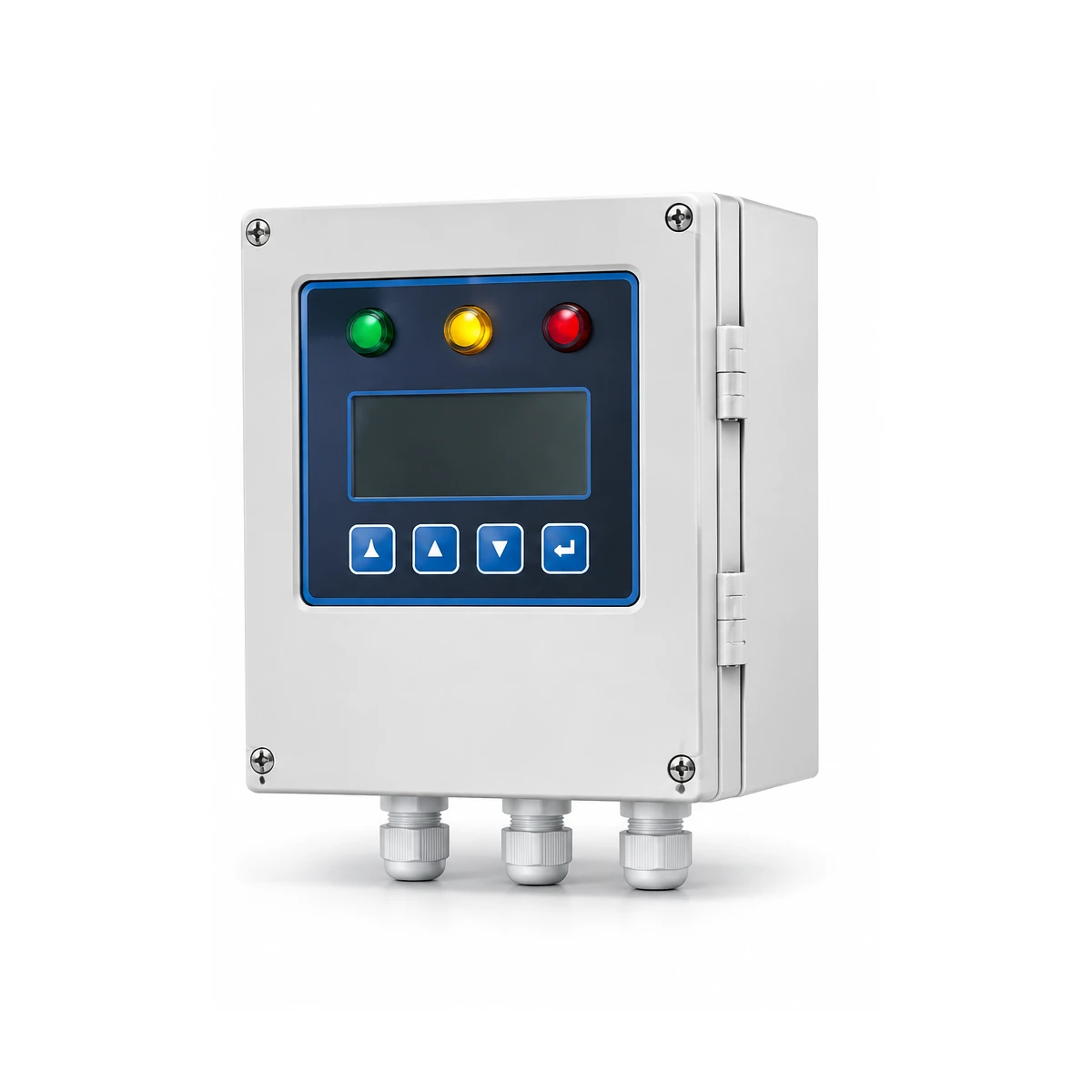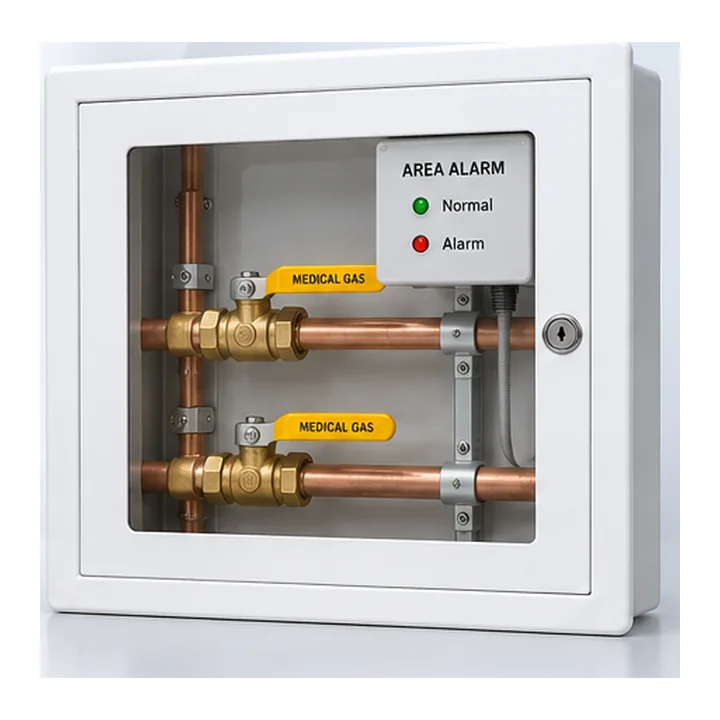

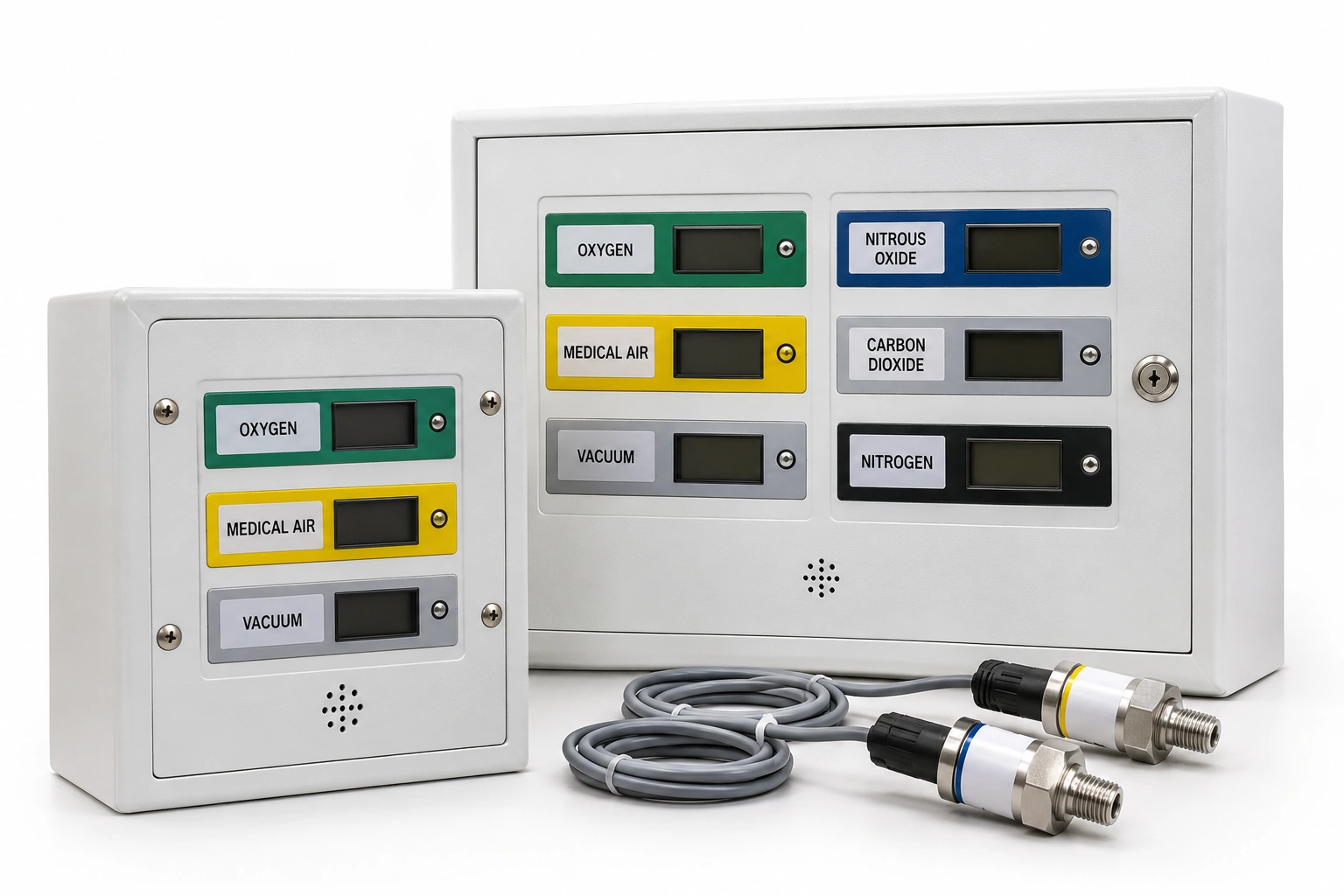
Medical gas alarm panels are often purchased with descriptions such as “three-gas alarm” or “one medical gas monitor.” Those labels may be insufficient for a hospital project because they do not identify the role of the alarm, its inputs or its connection to the rest of the MGPS.
A stronger approach is to distinguish the area alarm panel and the central alarm panel in the project equipment schedule, then specify each product's services and interfaces.
Why separate area and central alarm panels?
The updated NHS Scotland SHTM 02-01 (2026) lists two different Part A documentation forms: Form A14 — Area alarm panel test, and Form A15 — Central alarm panel test.
That is direct official evidence that the Scottish engineering documentation treats the two panel types as separate items within the installation verification process.
This article does not assume that the detailed functions or electrical arrangements of one hospital will be identical to another. Those details must be taken from the approved drawings and applicable technical requirements.
How does the broader MGPS standard treat alarms?
ISO 7396-1:2016 covers medical gas and vacuum supply systems, distribution, controls, monitoring and alarm systems within its scope. It identifies alarms as part of the wider engineered network, not simply optional accessories.
A panel's displayed gas names are therefore only part of the specification. The buyer also needs the intended monitoring arrangement and actual equipment interface defined by the engineering team.
For example, two panels may each show oxygen, medical air and vacuum on the front, yet have different sensing connections, signal interfaces, power requirements or equipment packaging. A photograph cannot establish compatibility.
Which five questions prevent an incomplete RFQ?
1. What is the panel's function? Record whether the project requests an area alarm, central alarm or another specified monitoring function.
2. What services will be monitored? List the gas and vacuum services individually. “Three gases” does not identify which services or conditions the design requires.
3. What inputs and interfaces are specified? Include the project interface or sensing drawing, signal requirements and any communication arrangements described by the design team.
4. Where is the equipment installed? The panel location, mounting format and enclosure requirements belong to the project's equipment schedule.
5. What is included in the quotation? Define whether sensors, pressure interfaces, cables, mounting accessories and other required items are included or separately supplied.
These are procurement questions, not operating instructions for hospital alarm systems.
Do installation and product responsibilities differ?
Yes. The NHS England HTM 02-01 (2026) distinguishes Part A design, installation, validation and verification from Part B operational management.
A panel manufacturer can describe its product specifications and supply a defined equipment package. The local project team remains responsible for how the panel is integrated, verified and operated within the approved MGPS.
Where an installed ward is involved, the technical organisation must determine any implications for existing clinical services. A supplier should not suggest bypassing, disabling or testing alarm functions through a public marketing article.
Related BWC Medgas alarm equipment
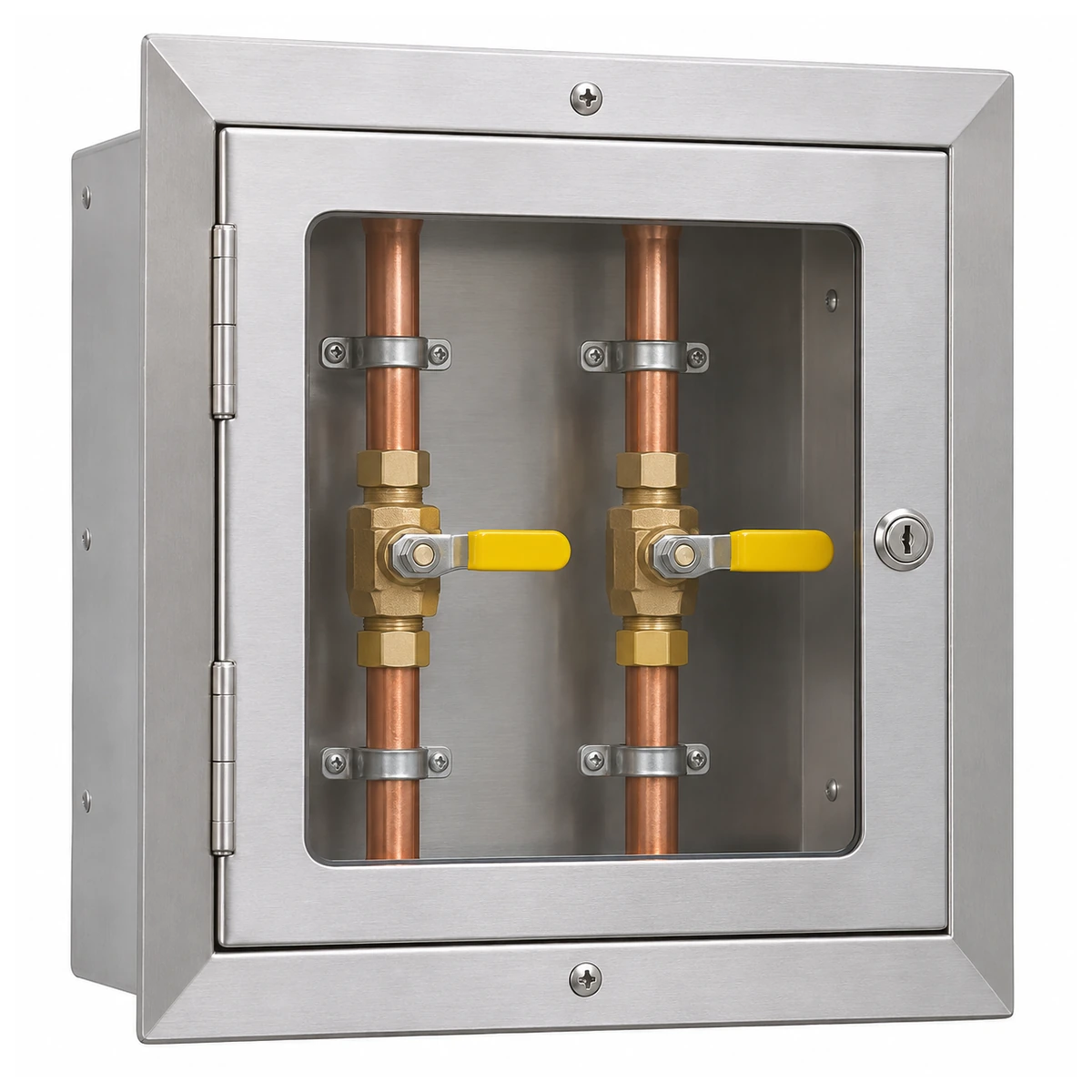
BWC provides medical gas alarm components, AVSU / zone valve boxes and related medical gas valves.
For an accurate price, send BWC the panel type, monitored gas list, project signal interface and required accessory package. This makes it possible to compare equivalent configurations rather than simply the number of indicators on a display.
Discuss a medical gas alarm panel requirement with BWC Medgas.
Frequently asked questions
Does “three-gas alarm” identify a complete panel specification?
No. It does not define the gas services, sensing arrangement, interfaces, or equipment package.
Does an alarm panel brochure prove the entire hospital MGPS has passed verification?
No. Product information and site-specific system verification are separate forms of evidence.