A medical gas area valve service unit can appear perfectly maintained while its label points to the wrong clinical rooms. The maintenance objective is not only that a handle moves; it is that the organisation knows which service and patients would be affected by operating the valve and that the asset remains available to authorised responders.
The 2026 NHS England HTM 02-01 and NHS Scotland SHTM 02-01 provide regional management frameworks for medical gas pipeline systems. ISO 7396-1 includes distribution, valves, controls and non-interchangeability in its scope, while the [Joint Commission's high-risk maintenance strategy guidance](https://www.jointcommission.org/en-us/knowledge-library/support-center/standards-interpretation/standards-faqs/000001340) treats valves as part of the maintained distribution-system inventory.
Map the patient-care boundary
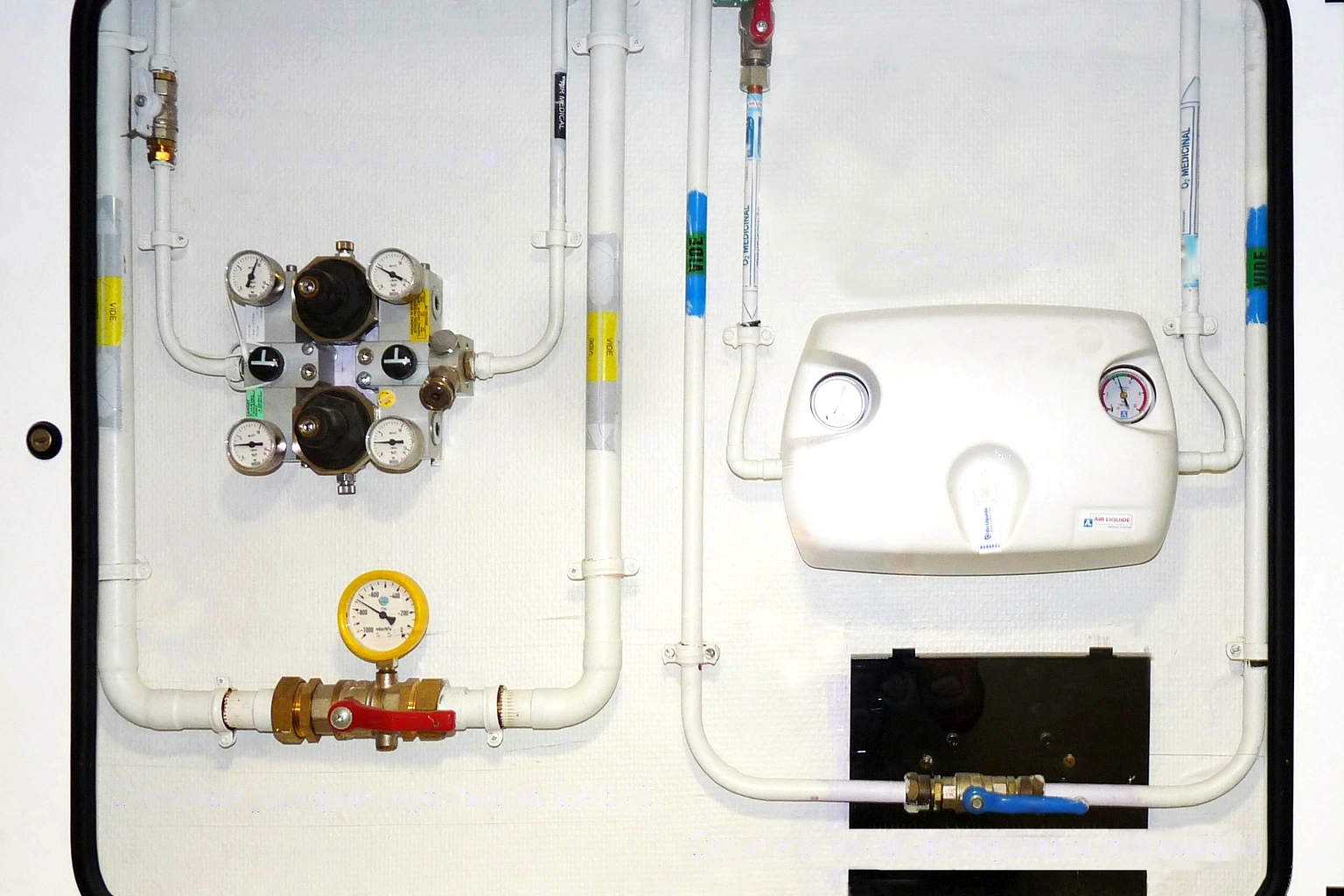
Begin with the current approved zoning drawing, then reconcile it with the physical cabinet ID, gas labels and actual clinical spaces. Renamed rooms, altered bed numbers and extensions can make a once-correct label misleading.
| Audit item | What to compare | Decision to capture |
|---|---|---|
| Cabinet identification | Asset ID, building, floor and location | Matches CMMS and physical asset |
| Gas designation | Each service and valve location | Agrees with the approved drawing |
| Rooms served | Room numbers and functional departments | Matches current clinical use |
| Emergency access | Visibility, door operation and obstruction | Available under site procedures |
| Valve condition | Visible integrity, labels, leaks/defects | Maintenance/repair required? |
| Pressure points | Correct service and traceable gauge where fitted | Monitoring record correct? |
| Work control | Last permit, modification, verification and release | Evidence complete? |
A box with three valve handles is not necessarily an oxygen/air/vacuum assembly for the same three rooms. Always work from the particular approved installation and service map.
Access is a maintenance property
The cabinet should not be hidden behind relocated equipment, locked under an undocumented key policy or covered by signage that no longer reflects its function. Record obstacles, damaged viewing panels, obscured labels and missing identification as actual maintenance defects, even if the mechanical valves operate.
Access arrangements must respect the site's emergency policy and responsible personnel. This does not mean instructing untrained staff to operate medical gas isolation valves.
Separate visible inspection from controlled functional tests
A routine round can identify broken seals, damaged indicators, missing labels, obstructions or corrosion. A functional isolation test may affect patient care and requires a permit, verified work boundary and clinical continuity plan under the relevant local management standard. Do not encourage a “quick exercise of each valve” while patients are connected.
Where non-invasive pressure observations reveal abnormalities, coordinate further investigation with the authorised engineer. Record observations independently of proposed causes.
Example: the ward was renamed
A valve box label says “Ward 3A” but renovations converted the area into an endoscopy suite. The facilities team should not merely print a new sticker. Compare as-built drawings, the actual connected branch, room allocation and any later modifications. The hospital's responsible party approves the corrected zone map and updates emergency procedures, asset records and cabinet identification consistently.
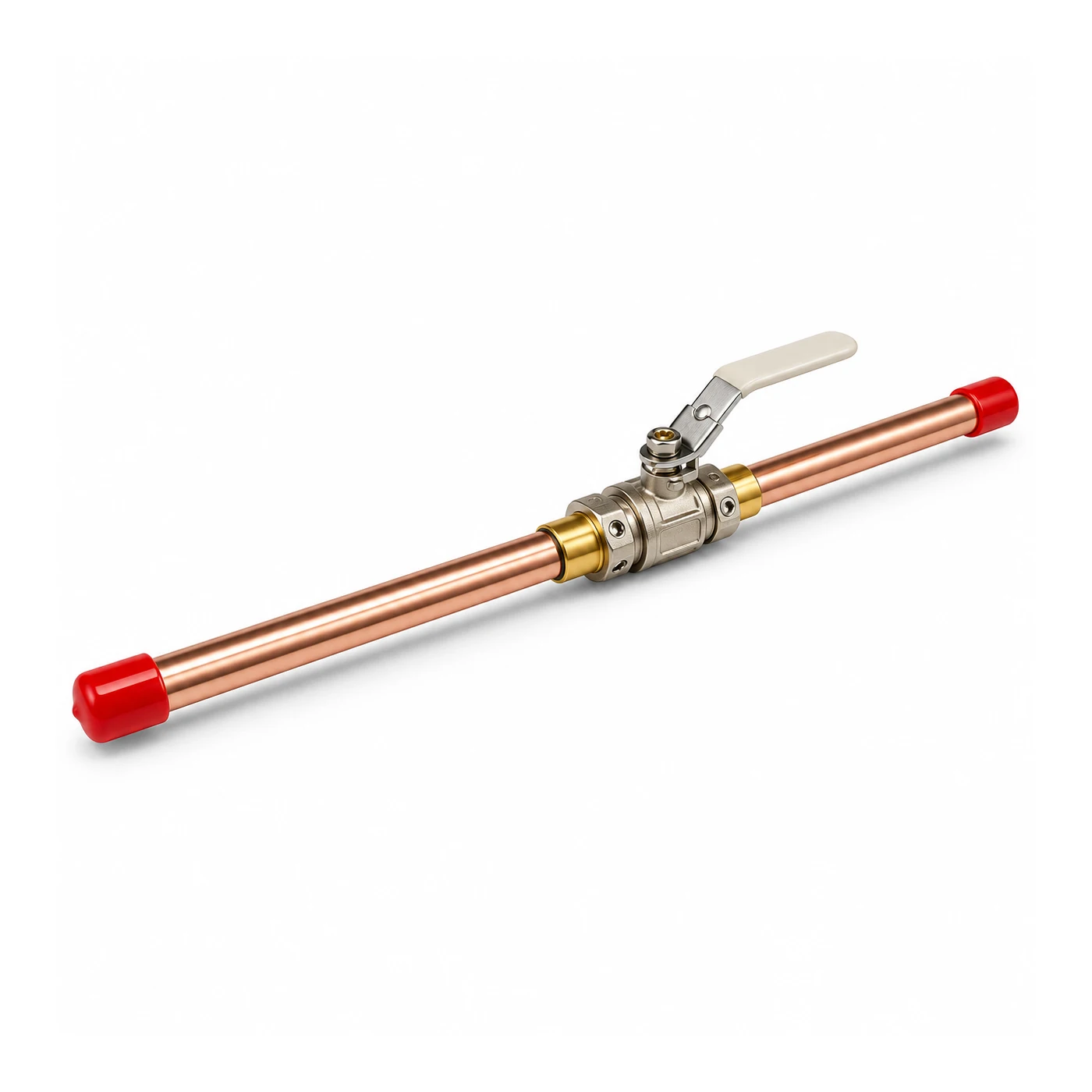
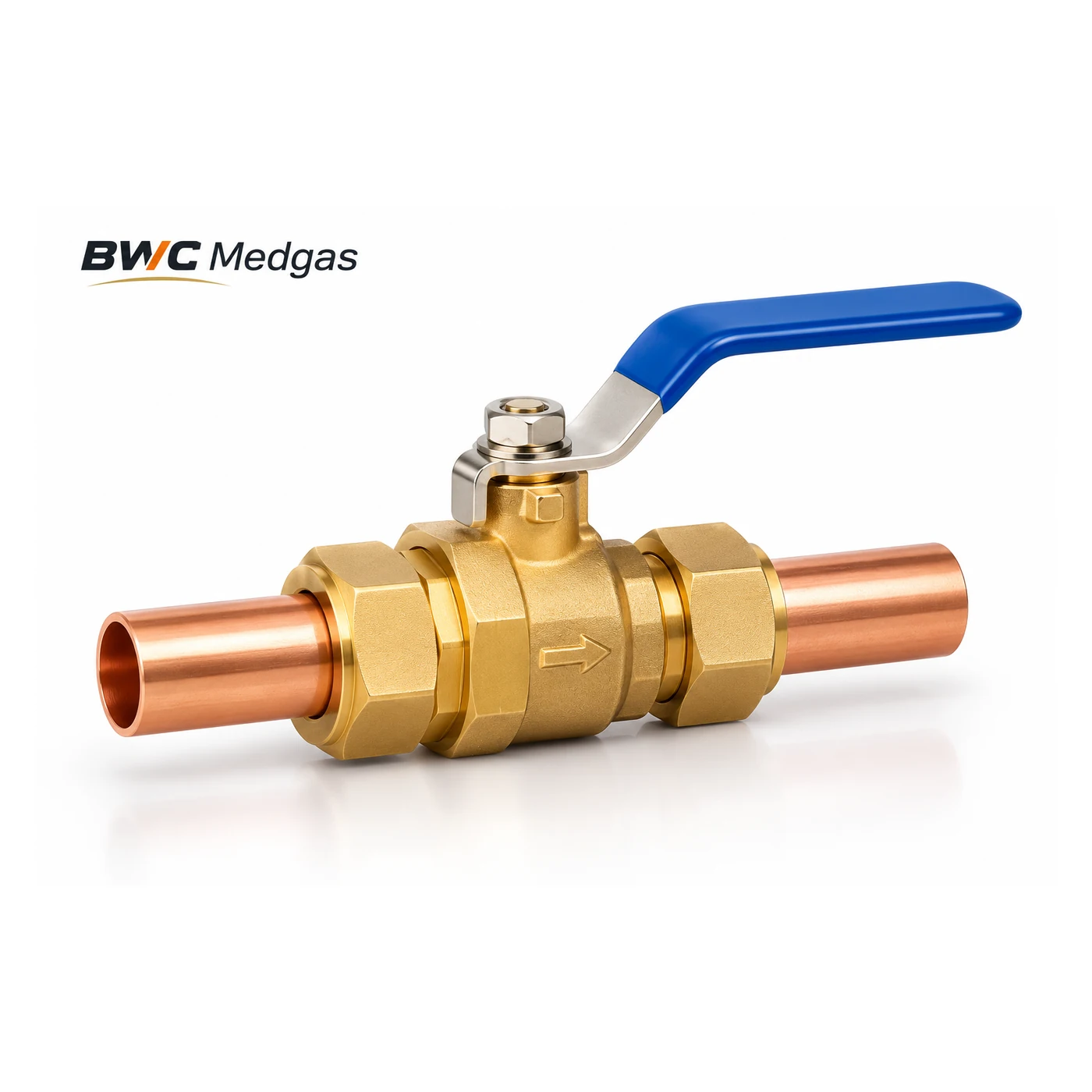
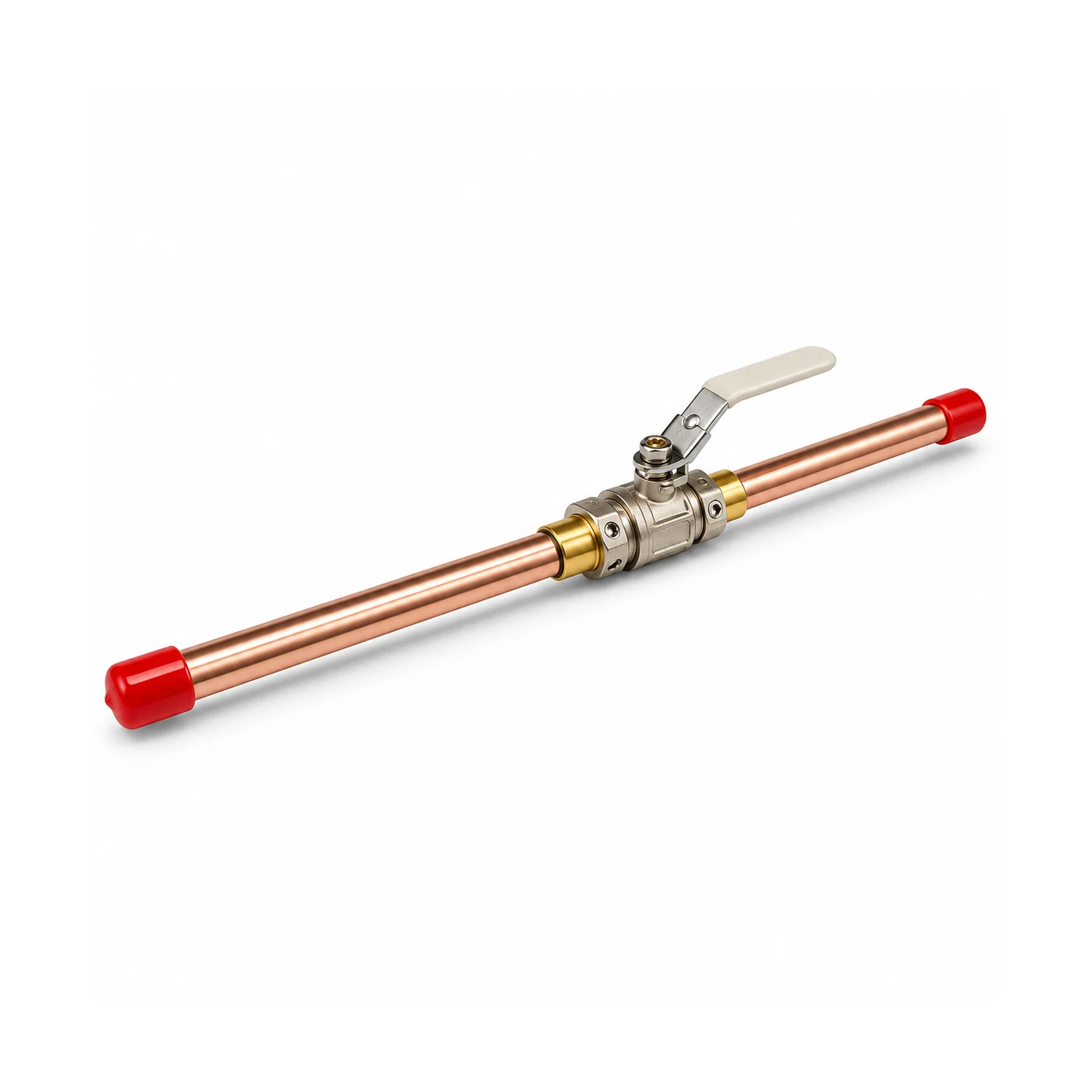
If a valve must be replaced, review its gas-specific intended service, construction, test requirements, port dimensions and operating arrangement. The correct BWC Medgas zone valve box or line valve is selected using a controlled schedule, not just a photograph of the cabinet.
Share an approved zone-valve schedule with BWC Medgas.
Make the audit reusable
Keep dated photographs of the identified cabinet, drawing reference, inspected service list and defect closeout status. Maintain a record of who reviewed any map change and whether clinical staff have been notified of altered zone responsibilities. Recheck after building works, department relocations and incident-driven changes—not only on the annual calendar.