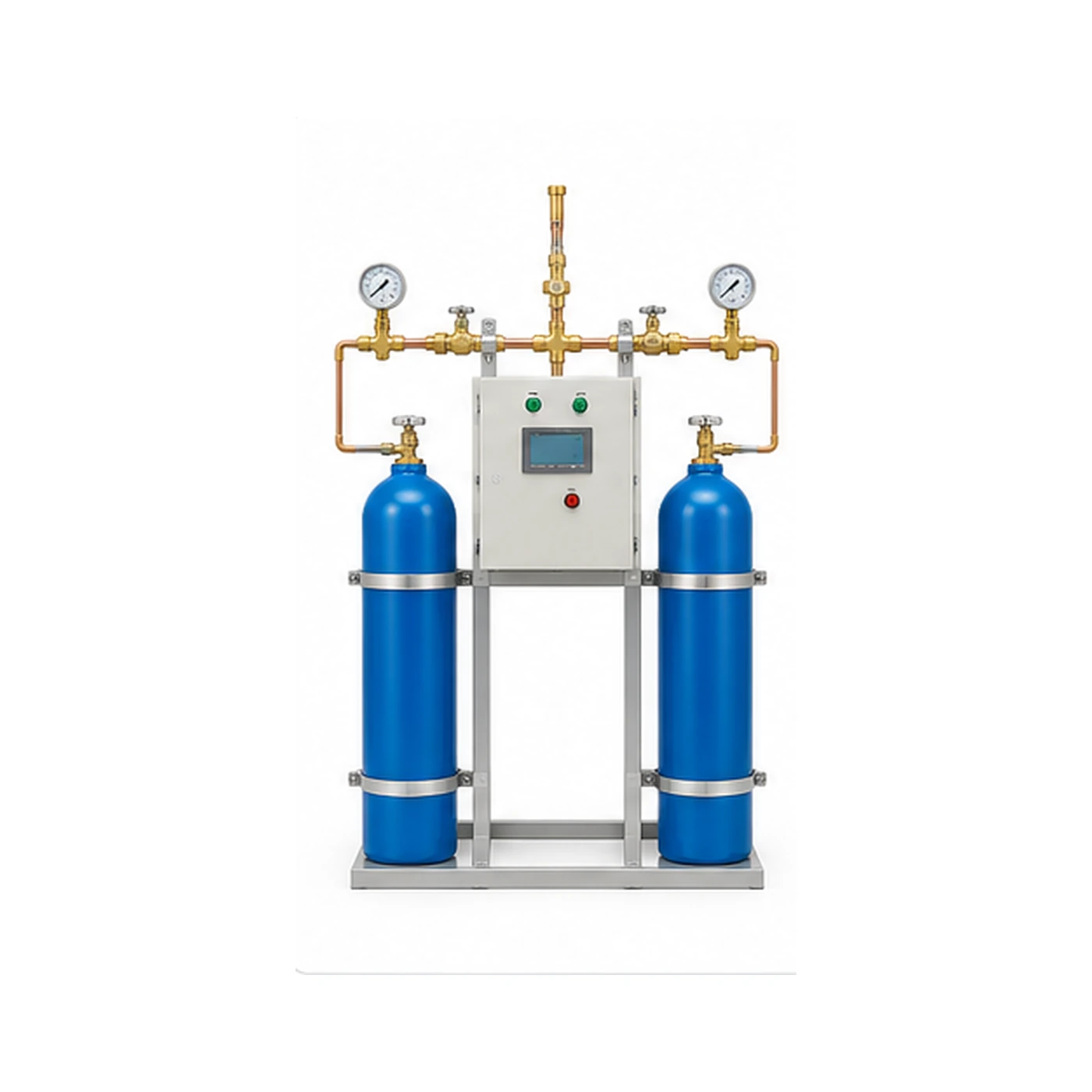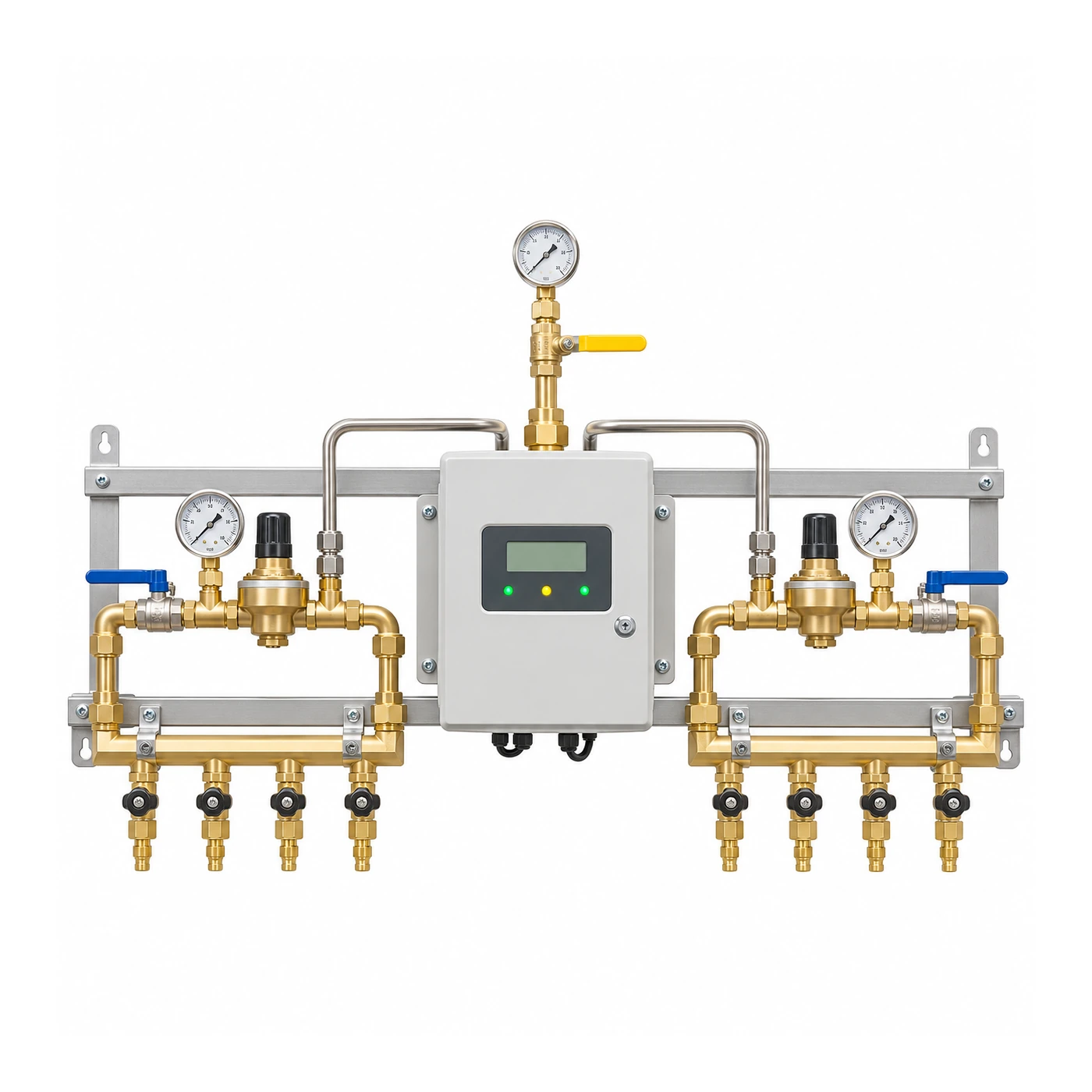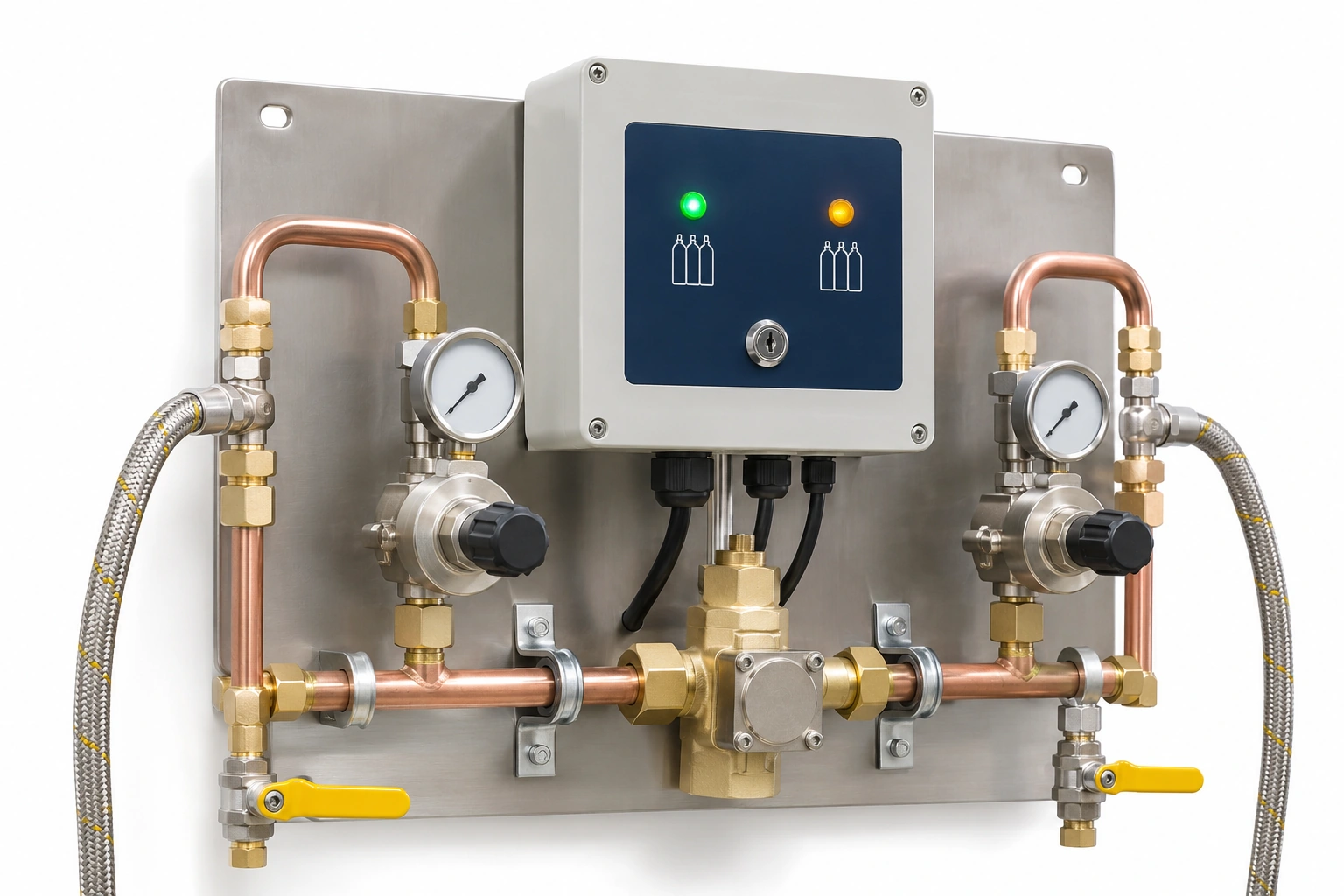
A manifold supplier may show a video of a control panel switching banks, then call that a complete factory acceptance test. The hospital, meanwhile, needs evidence that the actual delivered configuration meets its approved source specification and that the installed system has been verified in its real context.
A robust FAT/SAT evidence matrix separates those questions. This article helps project managers, manufacturers and procurement teams plan documents and responsible witnesses; it deliberately does not prescribe how to induce source failures or manipulate high-pressure systems.
Start with the approved configuration
The factory test should be linked to a defined equipment order. Record the source assembly model, product revision, gas service, number of banks and connections, intended regulator model, control type, alarm outputs and the actual accessories supplied.
An unqualified statement that “all automatic manifolds are factory-tested” is not sufficient. Ask for a test sheet or report that identifies the project model, configuration, performance criteria and results.
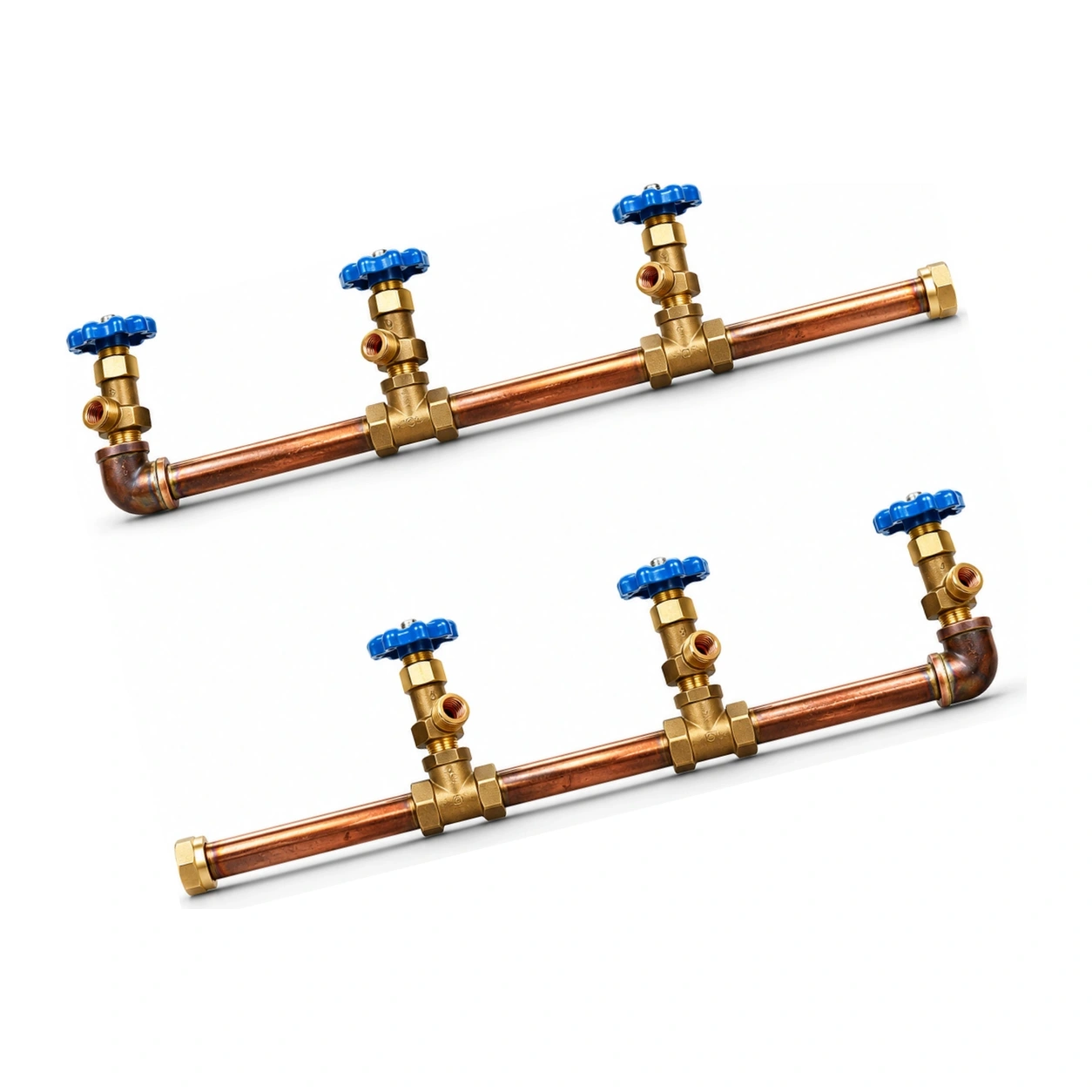
Confirm whether any parts will be supplied loose for installation at the hospital. Factory testing of a controller alone cannot automatically cover loose pigtails, downstream connections or installed alarms.
Distinguish test stage by what can actually be verified
Factory stage: potential checks include model/assembly identity, documented component conformity, workmanship and the functional behavior of the factory-assembled equipment under an approved test protocol. The manufacturer should identify what was witnessed and which measuring instruments or test devices were used.
Site stage: the competent installation and verification parties establish whether the delivered equipment, source interfaces, gas-specific connection, alarm integration, required performance and site documentation satisfy the governing system requirements.
Hospital acceptance: the authorized healthcare authority determines whether the installation and operational arrangements are acceptable for clinical use. A site test record alone cannot grant permission to place a source in service.
Avoid conflating three different sign-offs.
A practical acceptance matrix
| Requirement | FAT record | SAT record | Decision owner |
|---|---|---|---|
| Correct assembly/model and gas service | Identification sheet | As-installed equipment register | Procurement/design |
| High-pressure connections and regulators | Product/assembly evidence | Approved site interface checks | Installer/verifier |
| Control and changeover function | Approved functional demonstration | Site-integrated verification | Controls/verifier |
| Relevant alarms and signals | Declared outputs/test evidence | Confirmed destinations and functions | Alarm/estate teams |
| Source performance | Applicable agreed factory duty | Required installed duty evidence | Design/verification |
| Final markings and operating records | Manufacturer documents | Site as-built/operational handover | Hospital operator |
The test methods, limits and safe procedures must be taken from the adopted technical requirements and competent approved plans, not from this table.
Create test-case IDs before purchase
Each row should have a unique reference such as MAN-FAT-07 or MAN-SAT-12, a source requirement document and revision, the expected evidence, witness, pass/hold result and corrective action if necessary.
Where a supplier says a test is not applicable, require the technical reason and approving party. A blank cell is not equivalent to acceptance.
Maintain a traceability link from the factory model/serial or batch records to the installed location. A report for another model should not be accepted merely because it bears the same manufacturer name.
Plan alarm integration as an end-to-end test subject
An indicator on the local cabinet is not proof that the intended remote medical gas alarm receives the correct signal. The test plan should distinguish the source controller output, wire or communications interface, receiving panel and operational notification.
If the hospital interfaces with a building management system, describe which data are informational and which are required medical-gas alarm functions. Neither the BMS nor a generic screen should be presumed equivalent to the required alarm system without approved design evidence.
For every monitored event, document the test tag and recorded outcome. Only authorized competent personnel carry out test activities on medical gas installations.
Handle deviations and punch-list items
A common problem is a FAT passed with an older controller version, followed by a software change or alternative regulator on the delivered assembly. The correct project response is to determine whether the modification affects the accepted evidence and which review/retest is required.
Record a nonconformity ID, actual finding, product/configuration affected, proposed correction, owner, required retest and closure evidence. Do not simply attach a new brochure and mark the issue resolved.
Handover records that should match
At closeout, check that the P&ID, controller logic description, connection schedule, plant identity record, factory test, site acceptance and maintenance instructions refer to the same final configuration. The hospital should be able to trace an installed manifold without identifying it only from a photograph.
ISO 7396-1 covers relevant medical gas supply-system installation and verification principles, while ISO 10524-2 addresses manifold/line regulators as product classes. Current NHS HTM 02-01 and Scottish SHTM 02-01 provide further system testing and management guidance.
BWC Medgas involvement
BWC can provide component-specific data for offered manifolds, regulators and alarms. The project must separately assign site testing, gas identity verification and clinical authorization to the proper parties.
Send an approved equipment-and-test evidence schedule to BWC Medgas.
Frequently asked questions
Can a manufacturer's generic FAT certificate replace a project-specific acceptance record?
No. Evidence should identify the supplied configuration and the relevant requirement.
Should a project conduct an uncontrolled “failure simulation” in a live hospital?
No. The designated competent authorities must approve safe testing strategies and operational protections.