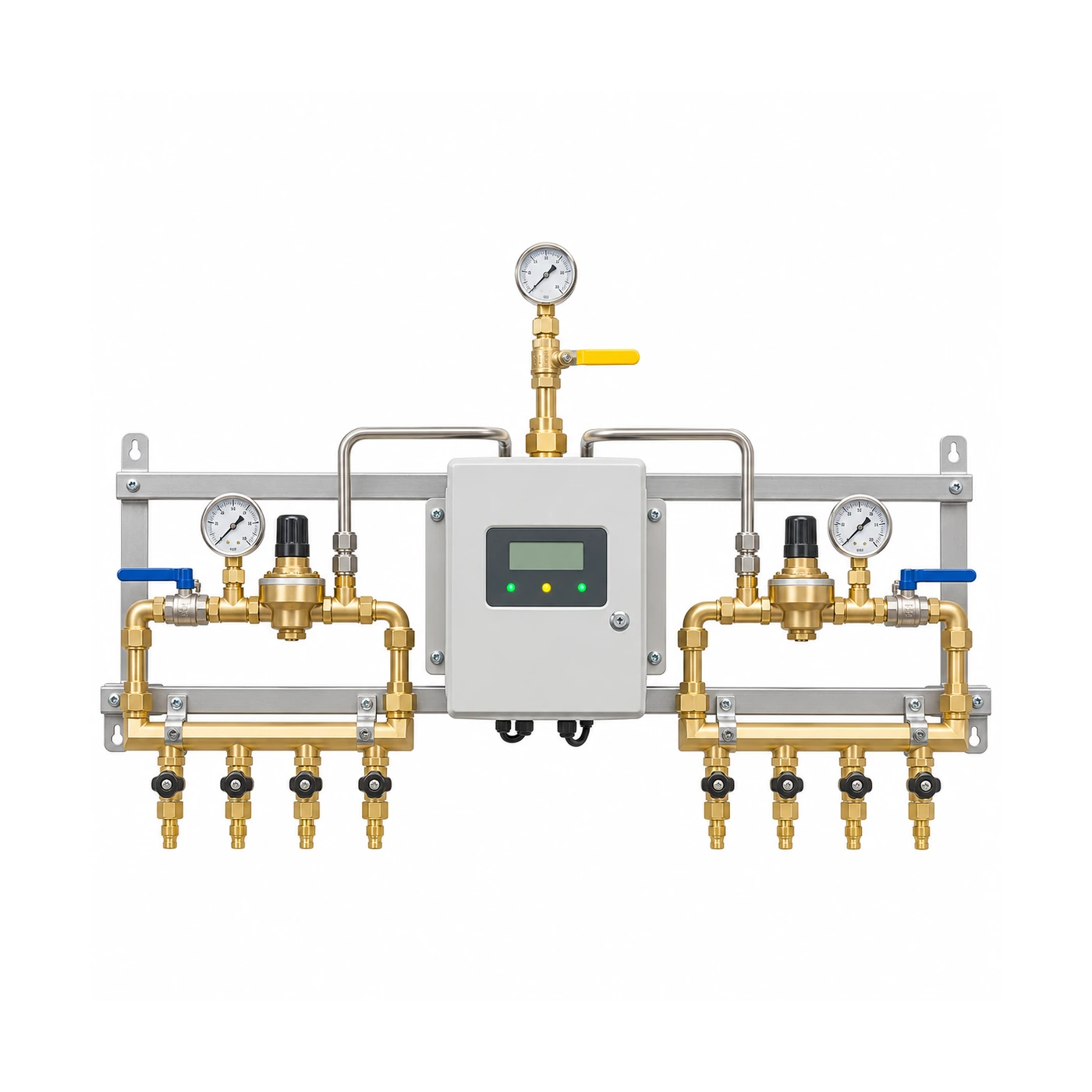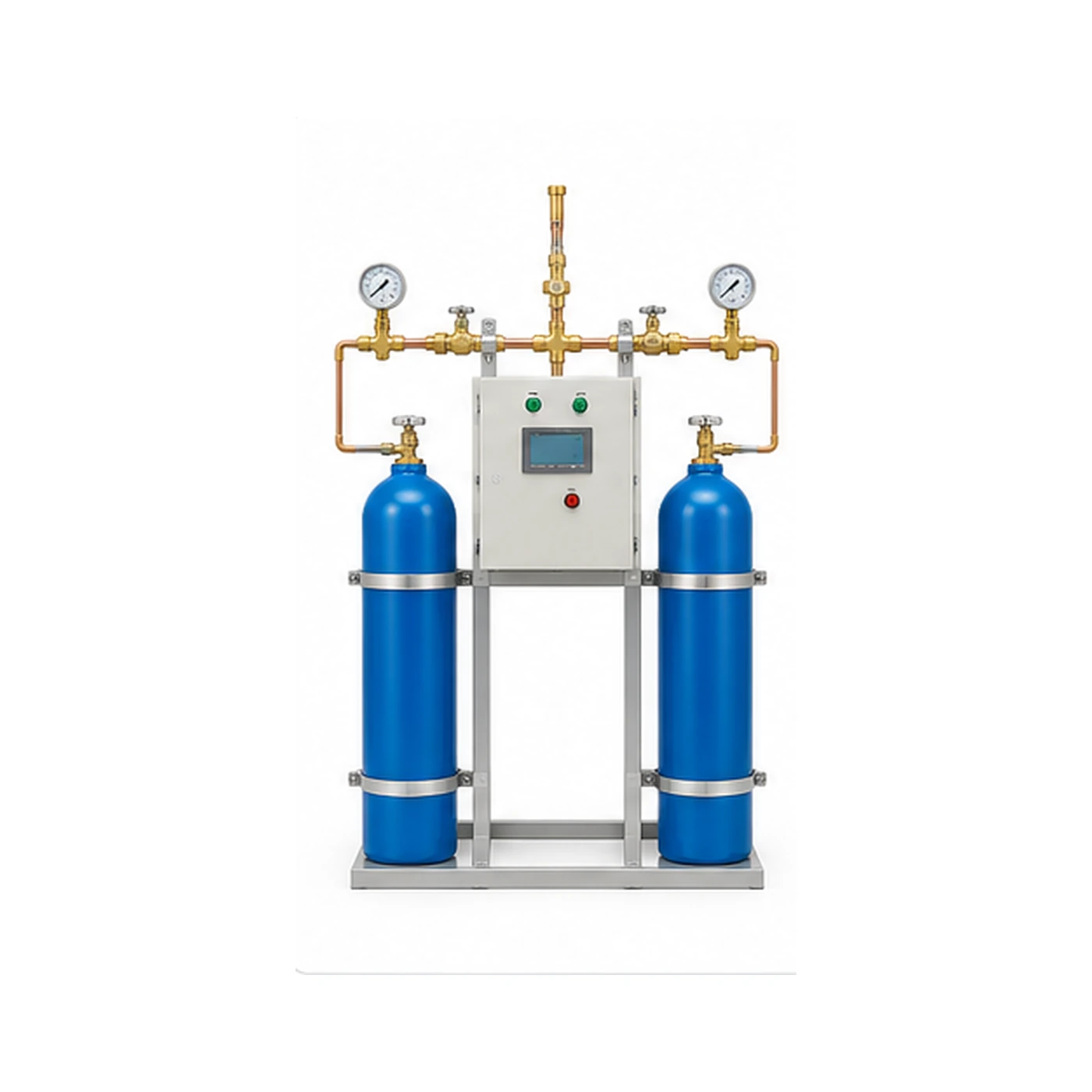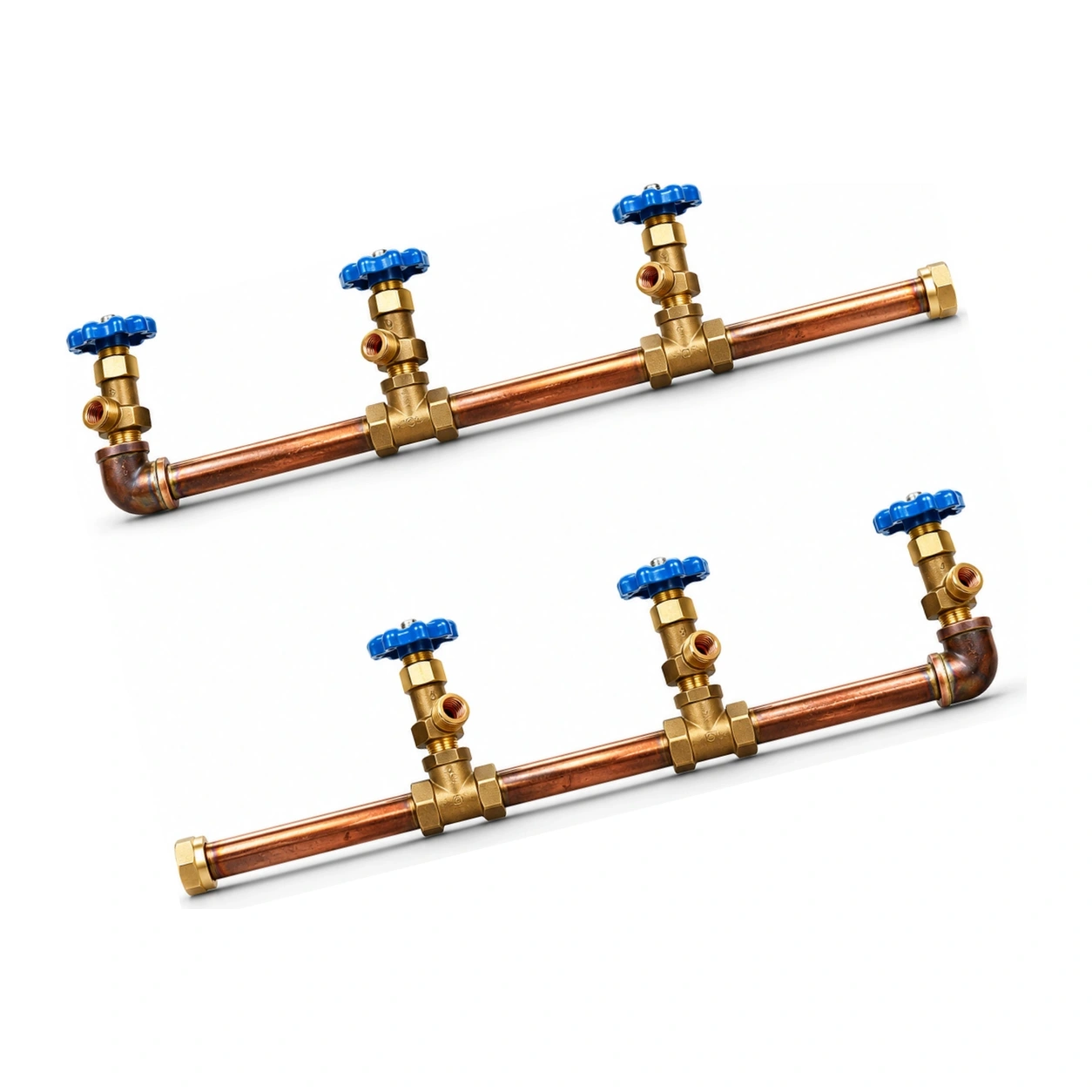
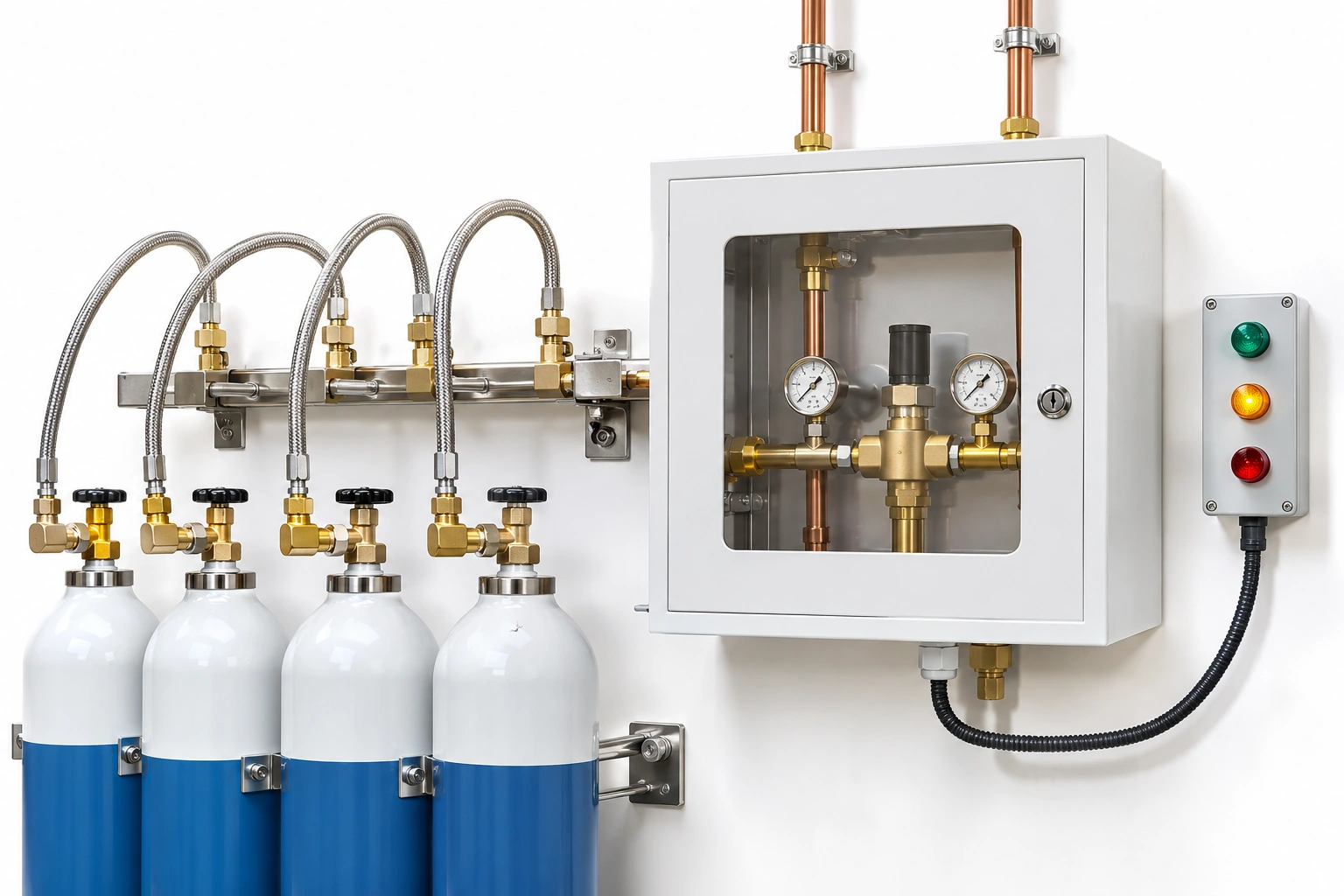
An equipment catalogue may use one photograph for an oxygen manifold, a nitrous oxide manifold and a medical-air cylinder bank. The cabinets or headers can look alike, but medical gases are distinct services. The question for a project buyer is not “does the panel fit the wall?” but is this exact assembly designed, documented and configured for the specified gas and source role?
Use a gas-specific equipment matrix before assigning any model to a room or bank. It prevents substitutions based on appearance, color or a generic “MGPS-compatible” claim.
List service definitions before model numbers
At the top of each row, write the approved service name and intended use. Oxygen, oxygen 93, medical air, nitrous oxide, carbon dioxide and air for driving surgical tools can have different product, pressure, connection and quality requirements. Not every hospital uses every gas, and local restrictions can matter.
For each service, record the relevant regulatory/product specification and the applicable project-standard edition. Do not assume that requirements adopted for one country are automatically adopted elsewhere.
A separate row is needed even if the manufacturer uses the same cabinet design across the product family.
Record all interfaces at both ends
A manifold assembly has more than its pipeline outlet. Record:
- Cylinder or cylinder-bundle identity and approved valve/interface type.
- Flexible high-pressure connection or pigtail assembly model.
- Header port and gas-service identification.
- Regulator and associated material compatibility evidence.
- Outlet connection to the specified pipeline source interface.
- Alarm/monitoring interfaces where fitted.
- Labeling and marking that unambiguously identify the service.
The ISO 21969:2009 scope is for high-pressure flexible connections to cylinders/bundles in relevant medical gas supply systems. ISO 10524-2:2018 covers the applicable manifold/line pressure regulator category; it is not a blanket statement that every fitting follows the same standard.
Build a purchaser's compatibility table
| Field | Oxygen service | Nitrous oxide service | Medical air service |
|---|---|---|---|
| Source role | Project approved | Project approved | Project approved |
| Cylinder connection | Exact approved drawing | Exact approved drawing | Exact approved drawing |
| Flexible connector | Model and evidence | Model and evidence | Model and evidence |
| Regulator compatibility | Exact offered version | Exact offered version | Exact offered version |
| Pipeline interface | Drawing reference | Drawing reference | Drawing reference |
| Labels/alarm mapping | Service-specific | Service-specific | Service-specific |
| Approval status | Open/accepted | Open/accepted | Open/accepted |
The table is a template: it does not imply that each service is approved or can use identical parts.
Challenge three common shortcuts
Shortcut 1 — “Same thread.” A mechanical thread or general fitting dimension is not proof of intended gas-service interchangeability. The design of medical-gas connections deliberately addresses gas-specificity.
Shortcut 2 — “Same regulator pressure.” Similar nominal outlet figures do not establish chemical, material, cleanliness or temperature suitability for a different gas service.
Shortcut 3 — “Same brand.” A manufacturer's family brochure may cover numerous variants; approvals and performance documentation must identify the actual model and configuration supplied.
Do not ask untrained site personnel to test connection interchangeability by trying to mate unlike gas connectors.
Include inventory and replenishment conditions
A compatible manifold is only one part of a functioning supply. The cylinder supplier must be able to deliver the exact approved gas, cylinder/valve specification and acceptable replenishment schedule. Make the cylinder supplier part of the interface review where necessary.
For renovations, document the legacy service and connector family with controlled survey evidence before procuring a supposedly equivalent replacement. A past purchase order can be useful background but is not a verified connection drawing.
Use an approval record for substitutions
When a supplier proposes “or equivalent,” require a short technical comparison identifying the substitute model, stated gas use, exact interfaces, material/cleanliness evidence, performance duty and impact on alarm or verification plans.
The design authority should decide whether it satisfies the project specification. Record rejected variants explicitly so a salesperson does not reintroduce them in a later quote revision.
Product and system standard distinctions
ISO 7396-1:2016 addresses medical gas pipeline systems, including the principle of non-interchangeability between services. Manifold regulators and high-pressure connections have their own product scopes. Local medical-gas regulatory decisions can add requirements beyond a single international standard.
A supplier should not imply that one ISO number “certifies the whole hospital source.”
Example: an apparently identical cylinder shipment
A hospital requests oxygen manifold pigtails and the supplier receives a cylinder sample whose appearance matches a previous project. The valve inscription and documented interface are different. The right response is to obtain the correct drawing and verify the specified connector family through the appointed design and gas supply parties—not to modify or adapt the connector at site.
Where BWC Medgas contributes
BWC Medgas offers selected manifold hardware, valves and regulators under exact specifications. Send the gas-by-gas interface matrix alongside quantities for an accurate technical discussion.
Discuss gas-specific component specifications with BWC Medgas.
Frequently asked questions
Can one physical cabinet design be sold for multiple gases?
Possibly as separately engineered and documented variants, but not by assuming the components are interchangeable.
Is the gas-cylinder paint color sufficient for specification?
No. The project must use the applicable gas identity, labeling and connection documents.