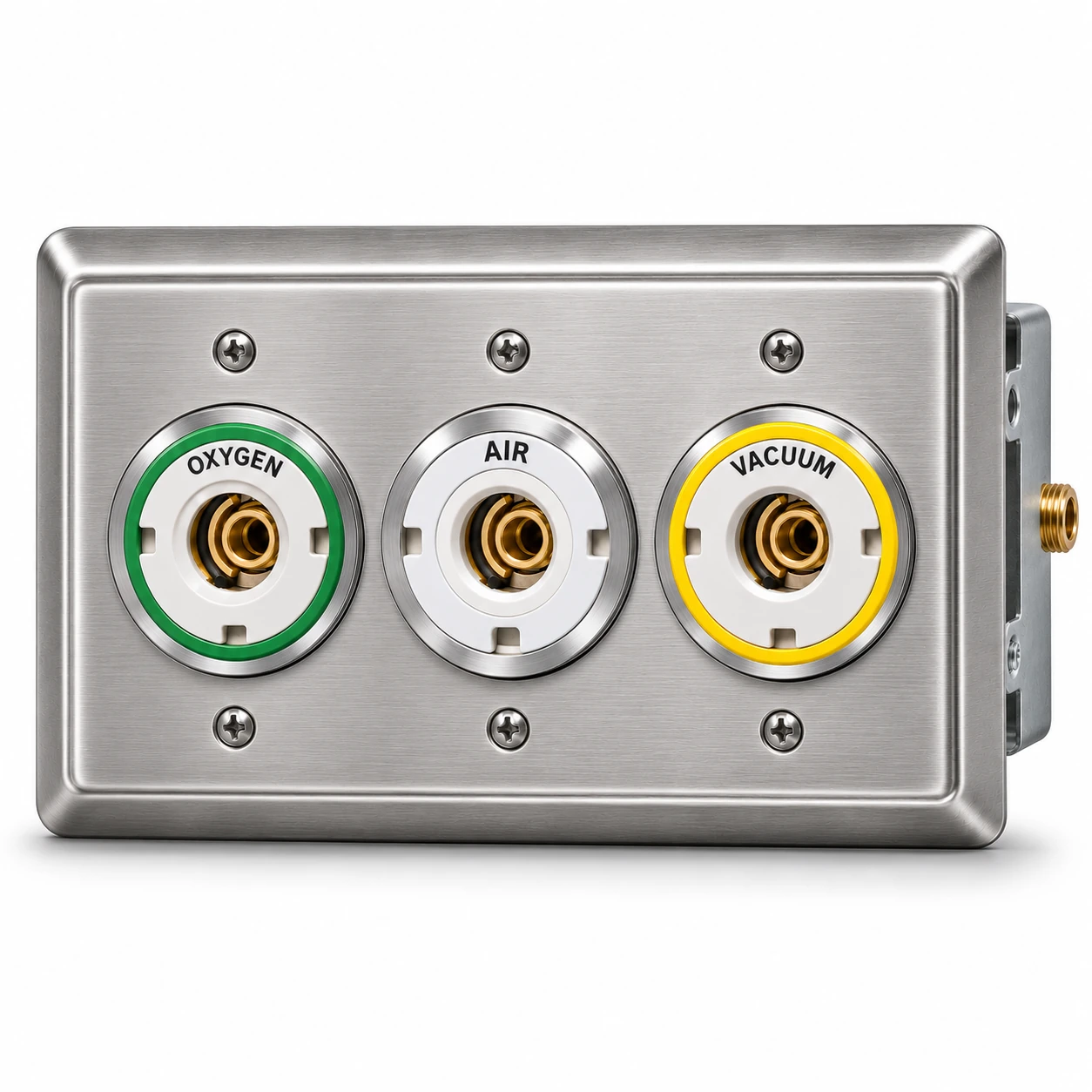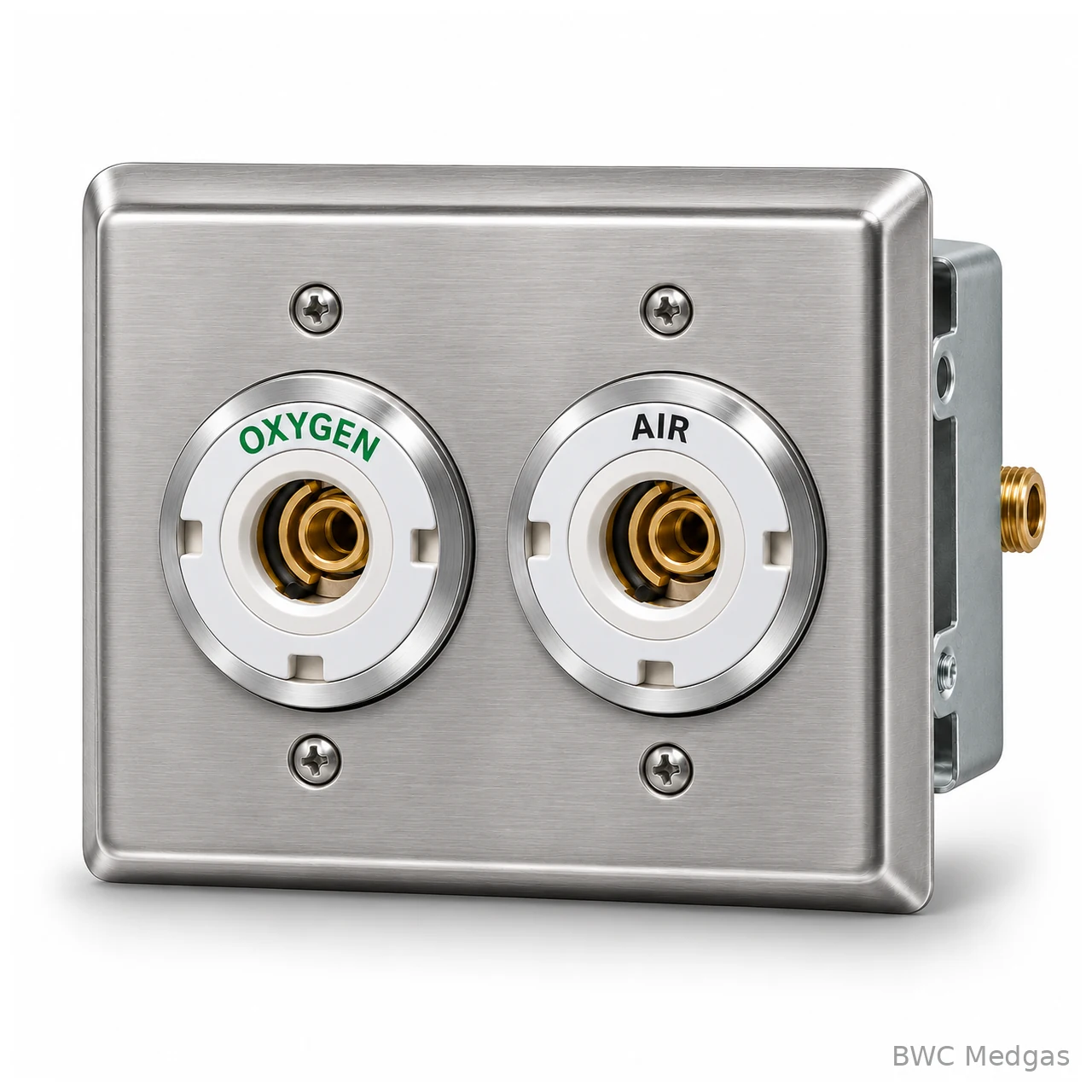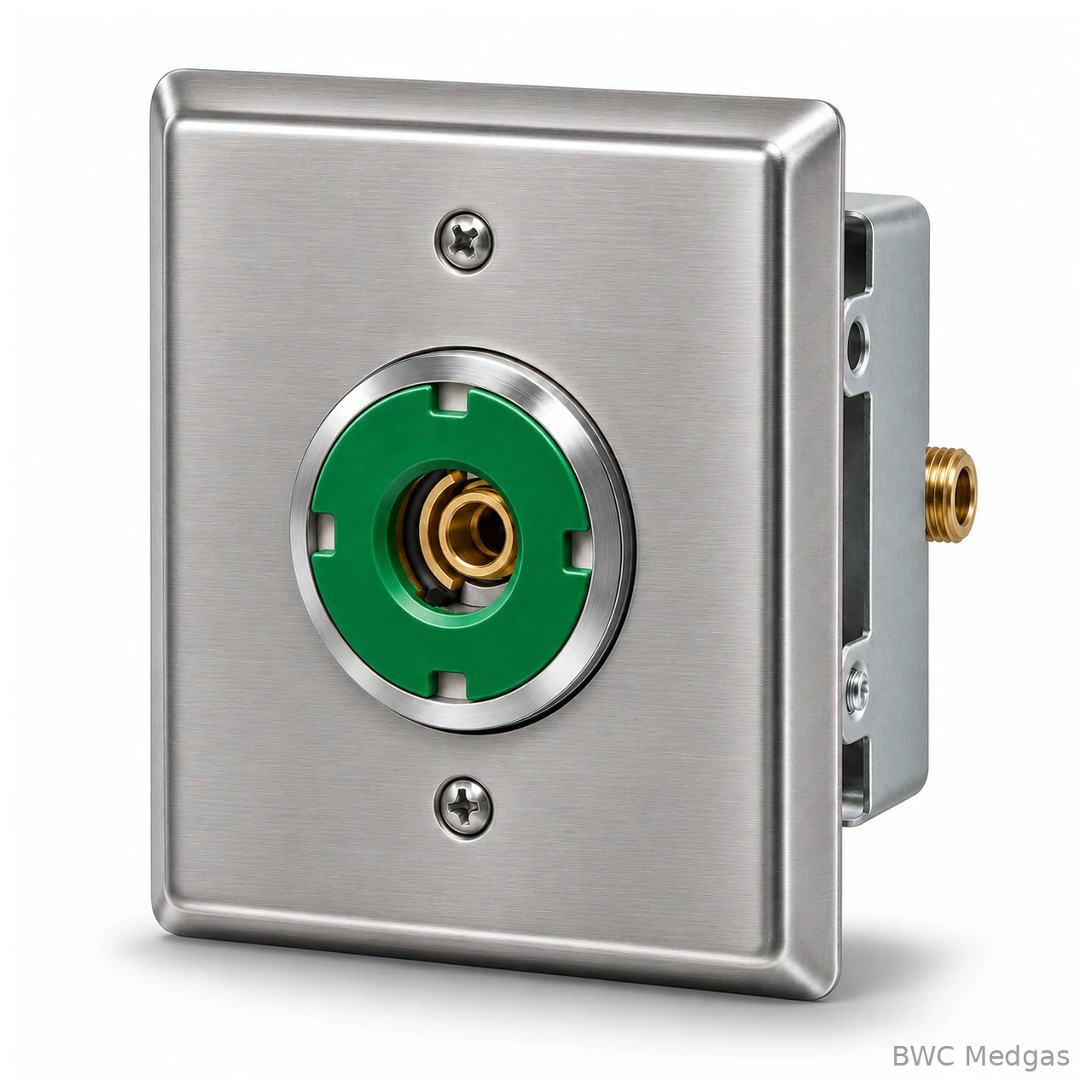

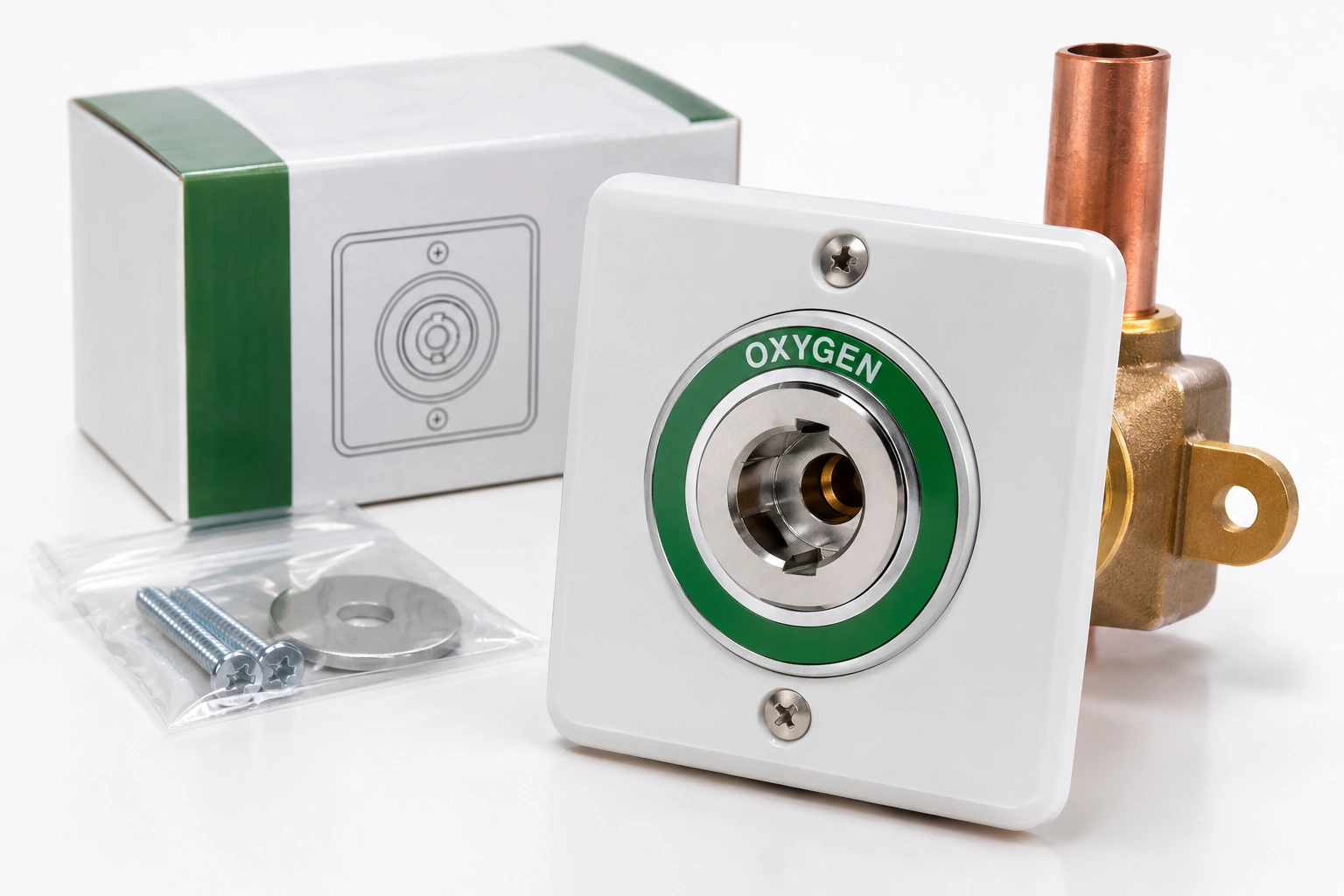
A distributor can request its own brand on medical gas outlet faceplates, packaging and catalogue while the actual supplied product contains different gas-specific variants and potentially safety-critical components. Branding changes must not blur the identity of the true manufacturer, the exact approved model or the applicable regulated product obligations.
An OEM terminal-unit technical file and change-control schedule helps buyer and supplier define that boundary. It is especially useful when a hospital expects a consistent replacement part supply over several years.
Distinguish branding from product responsibility
A label with a distributor's brand does not by itself establish that the labeled company has become the legal manufacturer for all regulatory purposes. Roles and responsibilities depend on the applicable jurisdiction, legal agreements, labeling rules and the specific product's regulatory status.
Before ordering, record the actual product manufacturer, branded product name, approved model mapping, target sales markets, applicable regulatory requirements and which party holds relevant technical documents and accepts change control.
Do not issue unsupported blanket claims that every variant is CE certified or conforms to all national outlet interfaces simply because one family brochure has those words.
Treat gas service as a model-defining attribute
An oxygen terminal variant cannot be substituted for vacuum or medical air by changing the front text. The exact product's mechanical gas-specificity, internal components, markings and mating interface must remain consistent with the accepted intended use.
ISO 9170-1:2017 addresses gas-specific assembly and the relevant mechanical/performance characteristics. It does not supply one universal regional connector geometry, so the approved national connection family must be recorded separately.
For each offered country/service configuration, retain a unique part number and a traceability link to the manufacturer's approved drawings.
Build an OEM item master
| Field | Controlled record |
|---|---|
| OEM brand item | Buyer brand and SKU |
| Original manufacturer item | Manufacturer's exact model/variant |
| Gas service | Oxygen, air, vacuum, etc. |
| Connector family | Approved national/project connection designation |
| Mounting and assembly | Wall/bedhead/front/rough-in configuration |
| Technical drawings | Model revision and approved file reference |
| Label and packaging | Approved artwork, service marking and languages |
| Lot/serial | Traceability method relevant to supplied product |
| Regulatory information | Market- and model-specific documentation |
| Replacement parts | Authorized compatible parts and revisions |
Maintain separate versions for accessories and mating probes. A single catalogue SKU must not conceal materially different gas-specific assemblies.
Define what an engineering change triggers
Possible changes include alternate sealing material, new supplier for a key component, revised mating profile, modified spring or mechanism, new surface finish, label redesign and packaging revisions affecting protection. These can have different technical and regulatory consequences.
The contract should define which changes require prior approval or notification, what evidence accompanies the notice and how old versus new inventory is distinguished. It should not rely only on a seller's promise that “quality remains the same.”
A change to a decorative outer surface may be low risk, but the buyer still needs the approved revised drawing and product record if it affects labeling, cleaning or installation.
Plan sample approval without assuming it is formal type testing
A buyer may approve representative samples for appearance, labeling, packaging and interface review. This is not a substitute for required manufacturer product testing or hospital site verification.
Record the exact sampled variant, approval scope, reviewer, drawing revision and any exclusions. A photograph of a sample is not proof that all later production batches match its functional configuration.
Where third-party technical/regulatory documentation is requested, tie it to the precise product model and offered market.
Create a batch receipt and complaint link
At delivery, record ordered SKU, actual manufacturer's item, gas service/connection family, quantity, lot/serial reference where used, packaging integrity, supplied documentation and acceptance decision.
If a hospital later reports a malfunction, the distributor should be able to trace the actual supplied variant and lot and obtain an engineering response. A packing slip showing only the OEM brand is insufficient for that purpose.
Maintain a procedure for complaints, field changes and potential recalls aligned with local regulatory obligations. The intended operating chain should not depend on a single salesperson's memory.
Pricing and warranty comparisons
Compare the same assembly scope, packaging, labeling, minimum order quantity, approved accessories, spare inventory, lead time, technical documentation and warranty commitments. A cheaper OEM faceplate with no documented replacement service parts may produce higher lifecycle risk.
Ask who pays for qualification or artwork changes and how the supplier will handle remaining inventory after an engineering revision. Keep commercial terms separate from product conformity acceptance.
A worked change-control example
An OEM order specifies 300 medical oxygen terminal units of model A. Mid-production the supplier proposes a new internal sealing element. The correct response is a recorded technical change notice identifying affected units, safety/performance evaluation, required documentation and authorized buyer disposition. The change must not silently enter deliveries under an unchanged product record.
The hospital's installed-system acceptance remains distinct from the factory's product record.
BWC Medgas opportunity
BWC Medgas can discuss selected medical gas terminal units and gas-specific variants for project-based and OEM supply. Requests should include the precise service, connector family, brand/label scope and target jurisdiction; products can then be evaluated at the correct model level.
Send your OEM terminal-unit specification to BWC Medgas.
Frequently asked questions
Is changing a front label enough to sell one product for several gases?
No. Gas-specific physical construction and documented intended use are essential.
Can a distributor treat one generic certificate as proof for every model?
No. Exact model, configuration and market-specific requirements must be examined.